Other seasonal preserves
Sapporo-ki Onion RecipesWhole Onion Soup and Onion Skin Tea with a Rare Hokkaido Onion
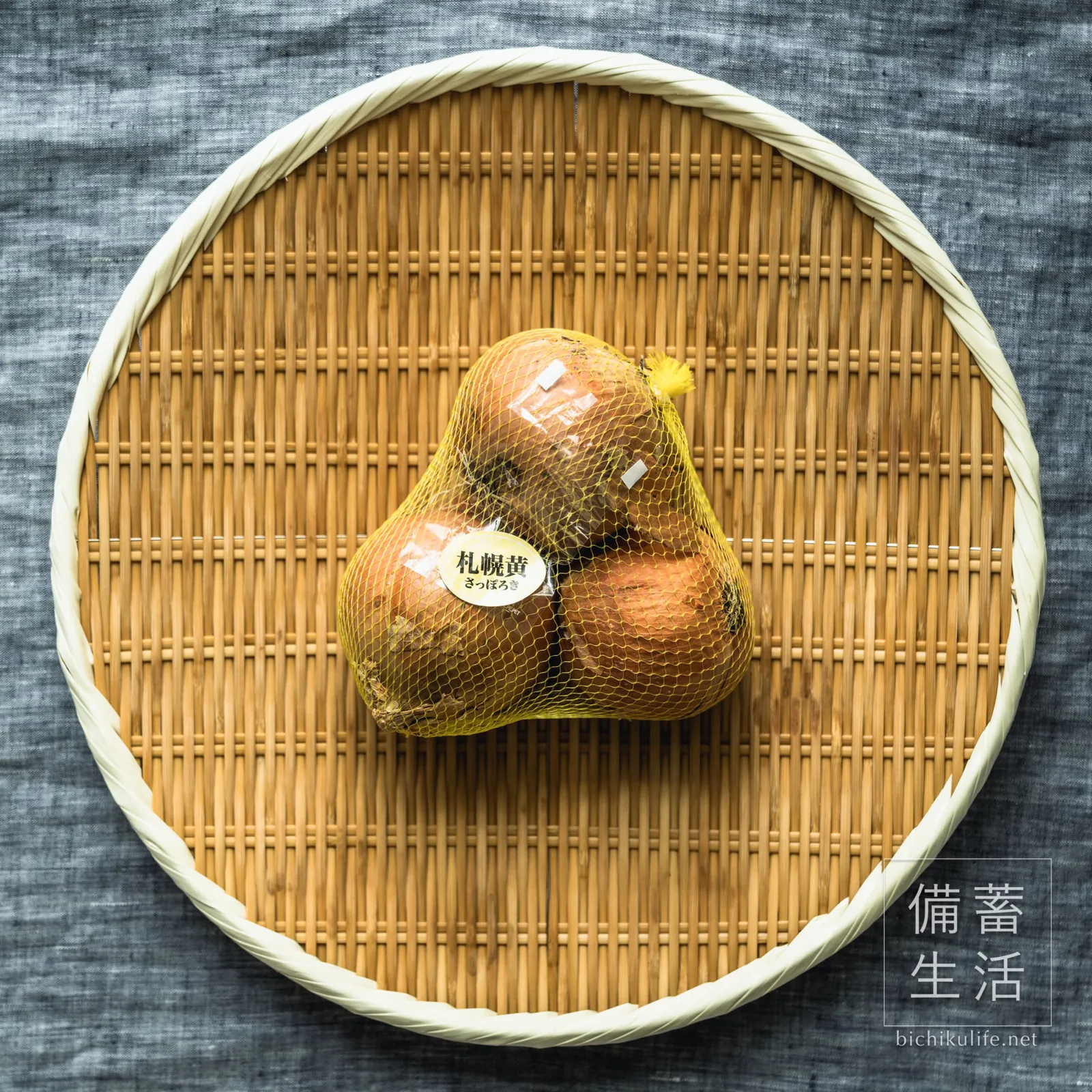
Sapporo-ki, the “phantom onion”.
In 1880, Sapporo became the first place in Japan to grow onions, and Sapporo-ki is the variety that grew from that history. It’s now called the “phantom onion” because it’s so rarely seen.
It depends heavily on the weather and is hard to grow, so fewer and fewer farmers grow it. It rarely reaches the general market, but we spotted it at a supermarket in Sapporo in September, its season, and bought some.
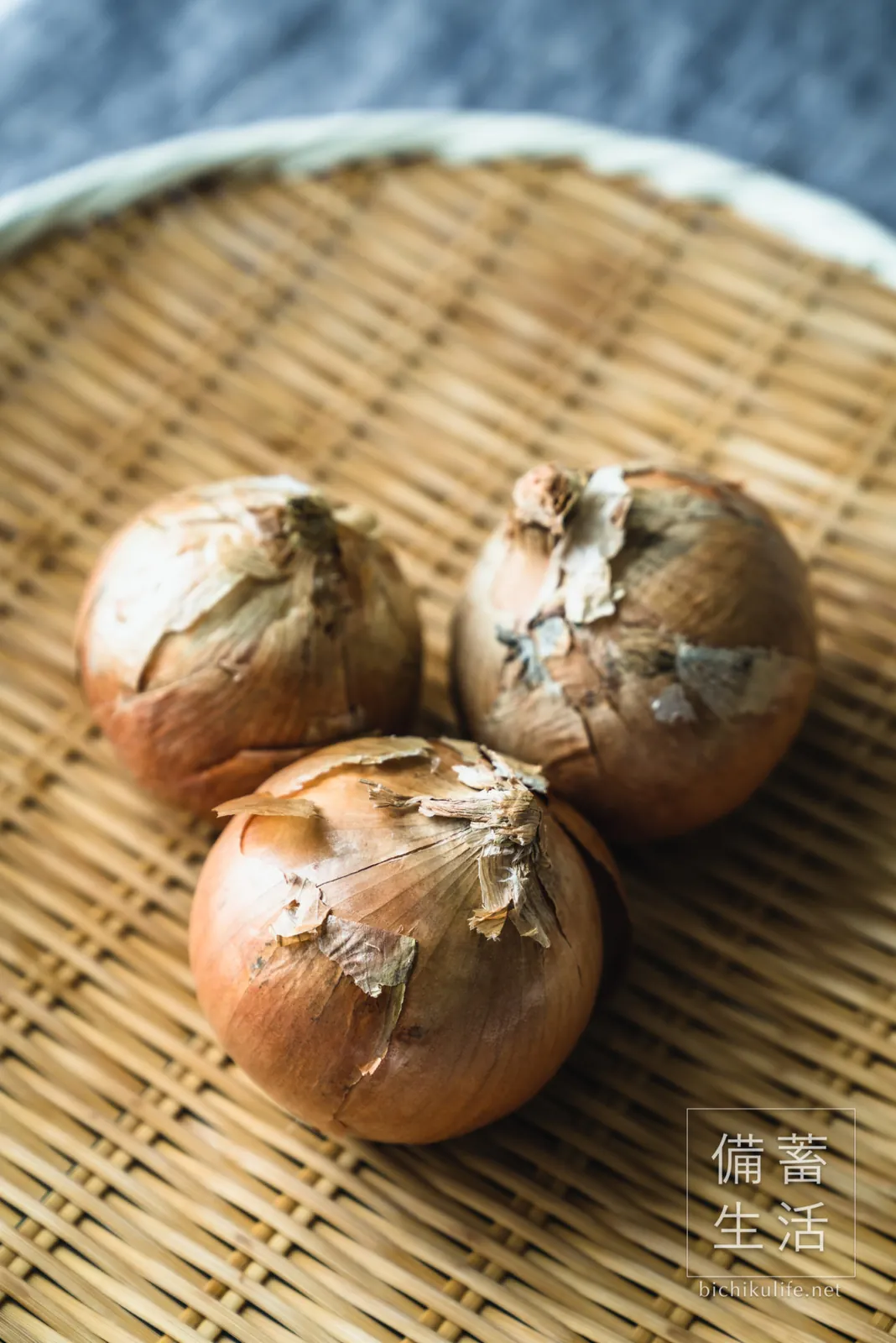
Sapporo-ki is said to be thick-fleshed and especially sweet. Here are two simple recipes that make the most of it. Outside Hokkaido, you’ll almost never find Sapporo-ki, but both recipes work with any yellow onion.
| Season | September |
| Time | About 30 minutes for the soup |
| Sapporo-ki | The first onion variety grown in Sapporo |
Recipes
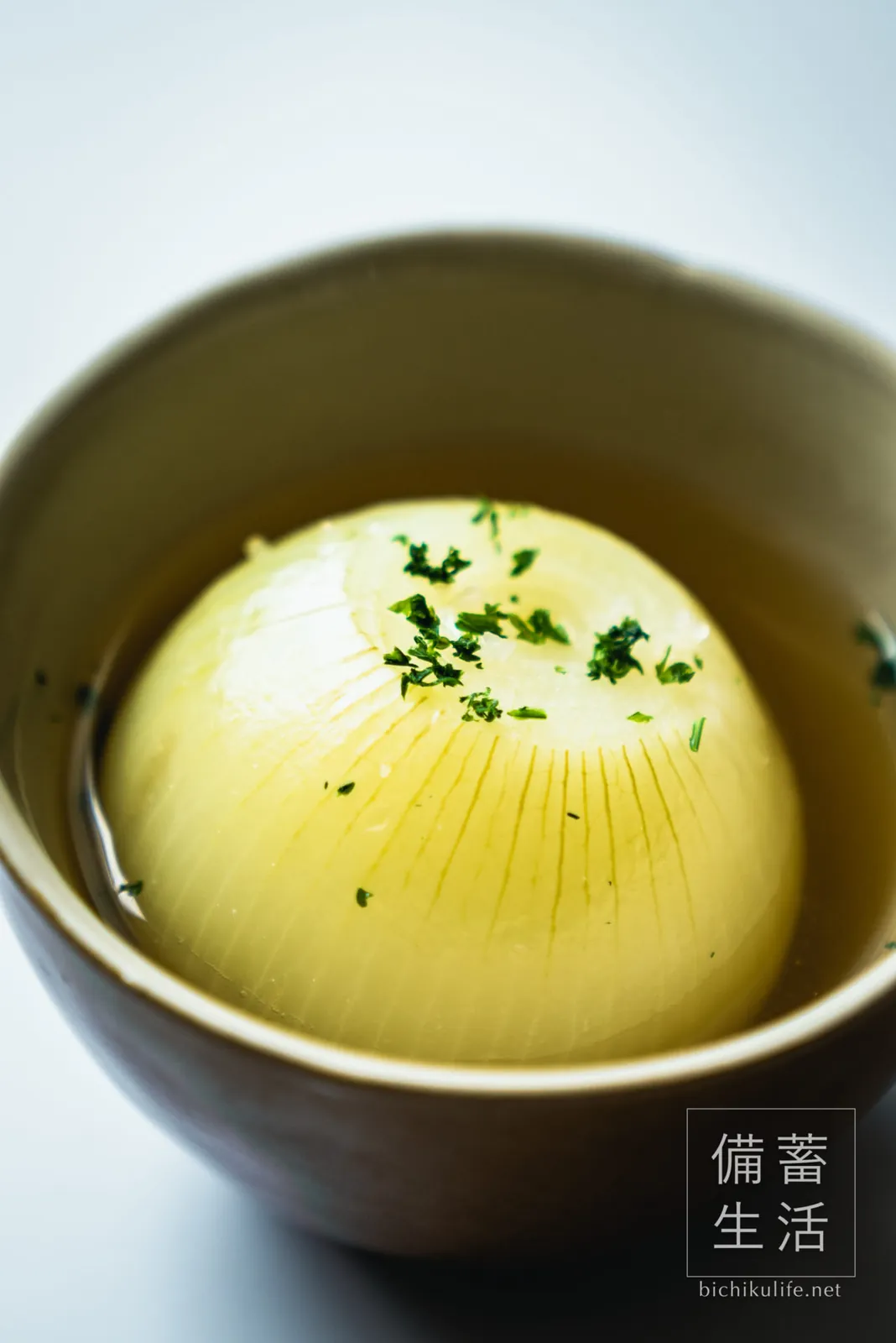
Whole onion soup
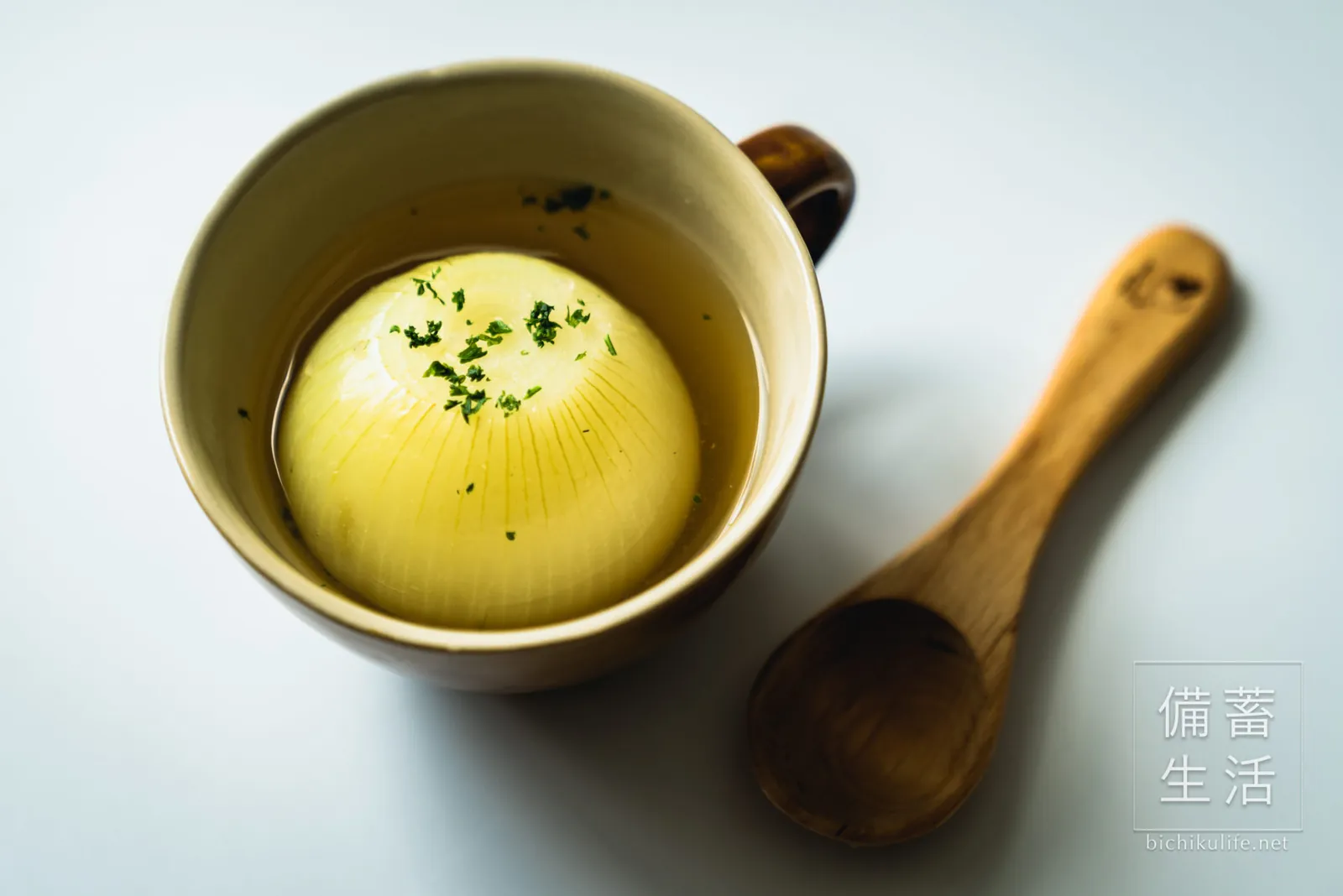
A simple recipe to taste Sapporo-ki just as it is. We used vegetable dashi from Kayanoya, a Japanese stock brand. Any vegetable stock works.
Ingredients (serves 3)
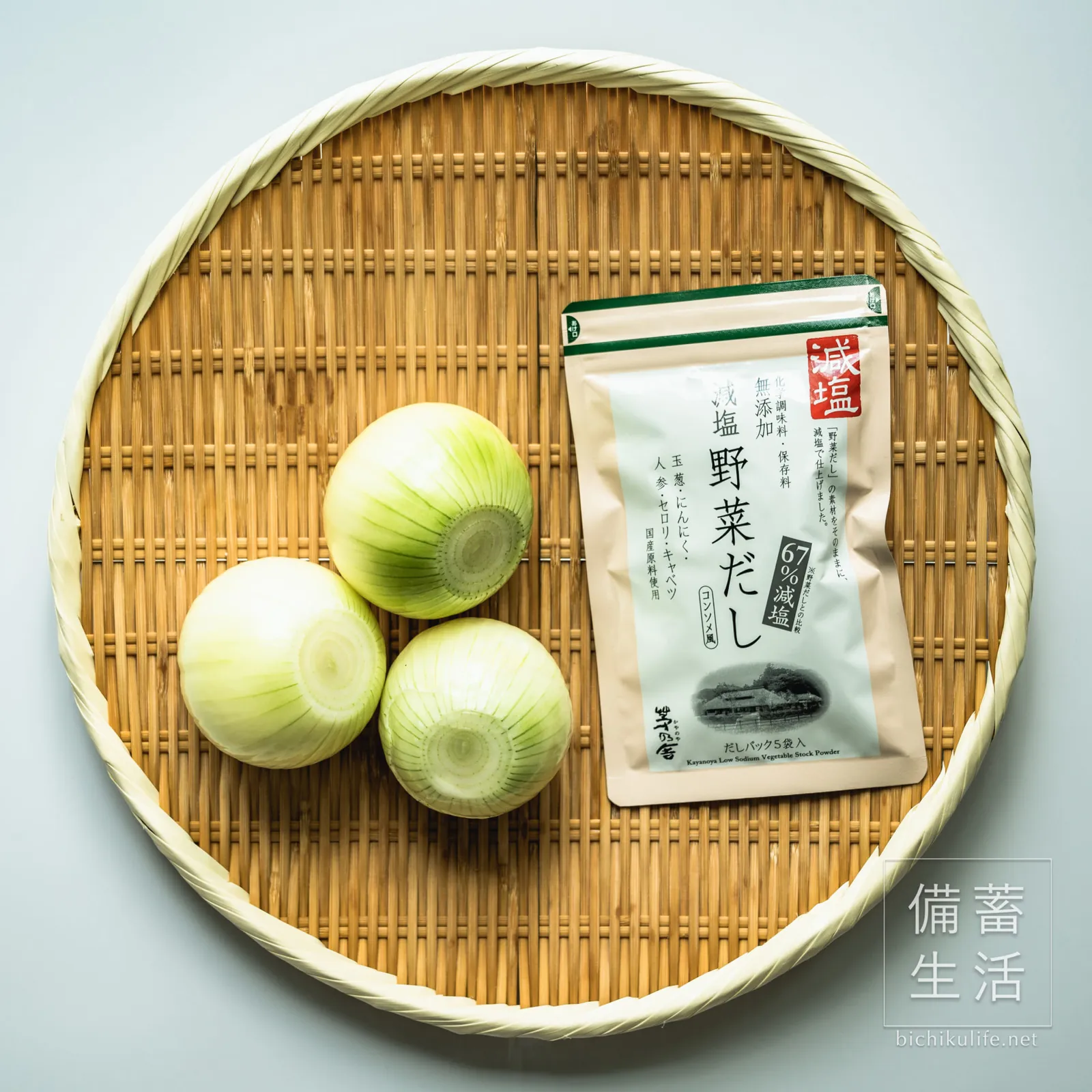
- 3 Sapporo-ki onions (or other yellow onions)
- 2 packets Kayanoya vegetable dashi (or vegetable stock)
- 500 ml (2 cups) water
Method
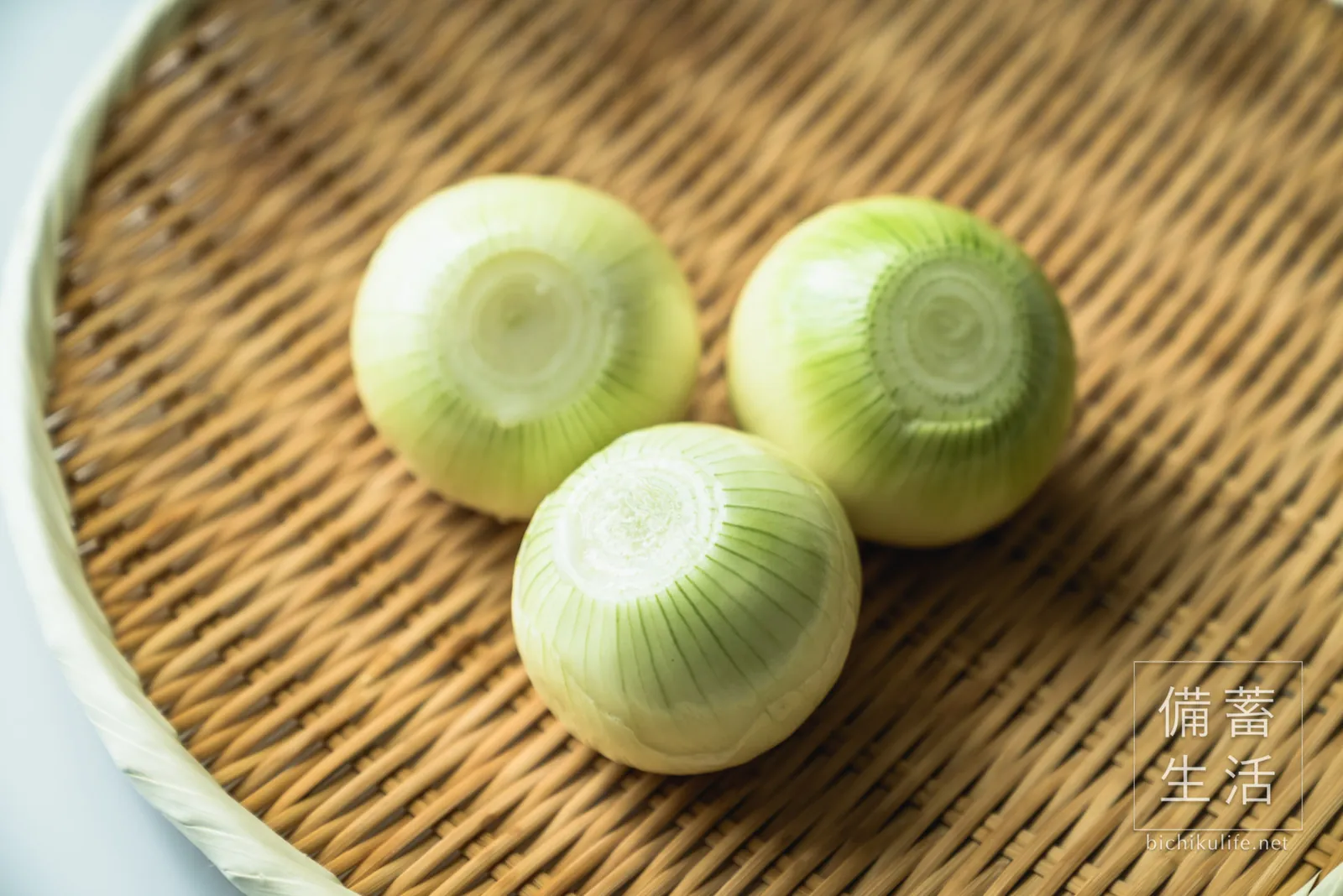
Peel the outer skin from the onions and trim the tops and bottoms. Cut a cross into the top of each.
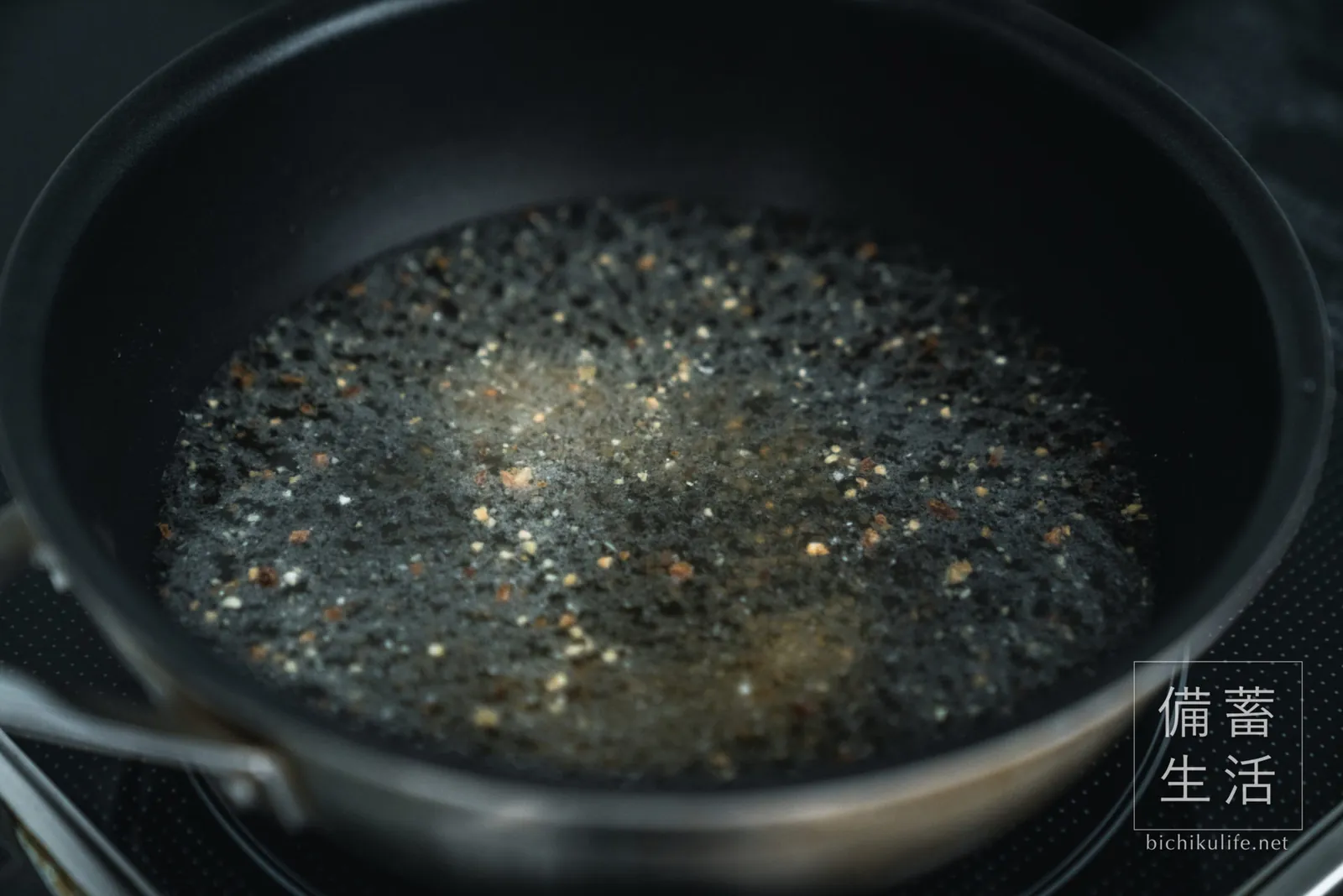
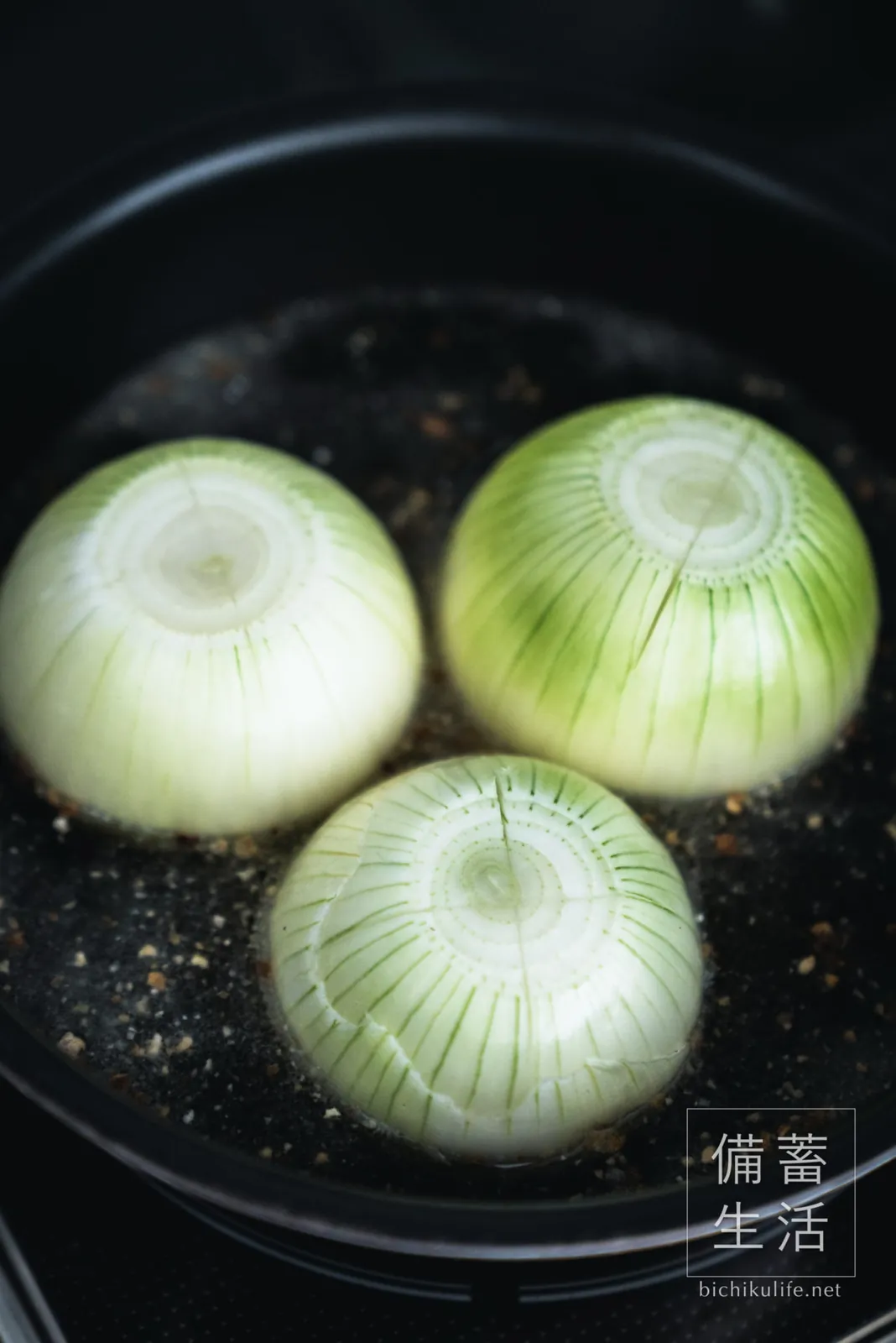
Put the stock, water and onions in a pot and heat.
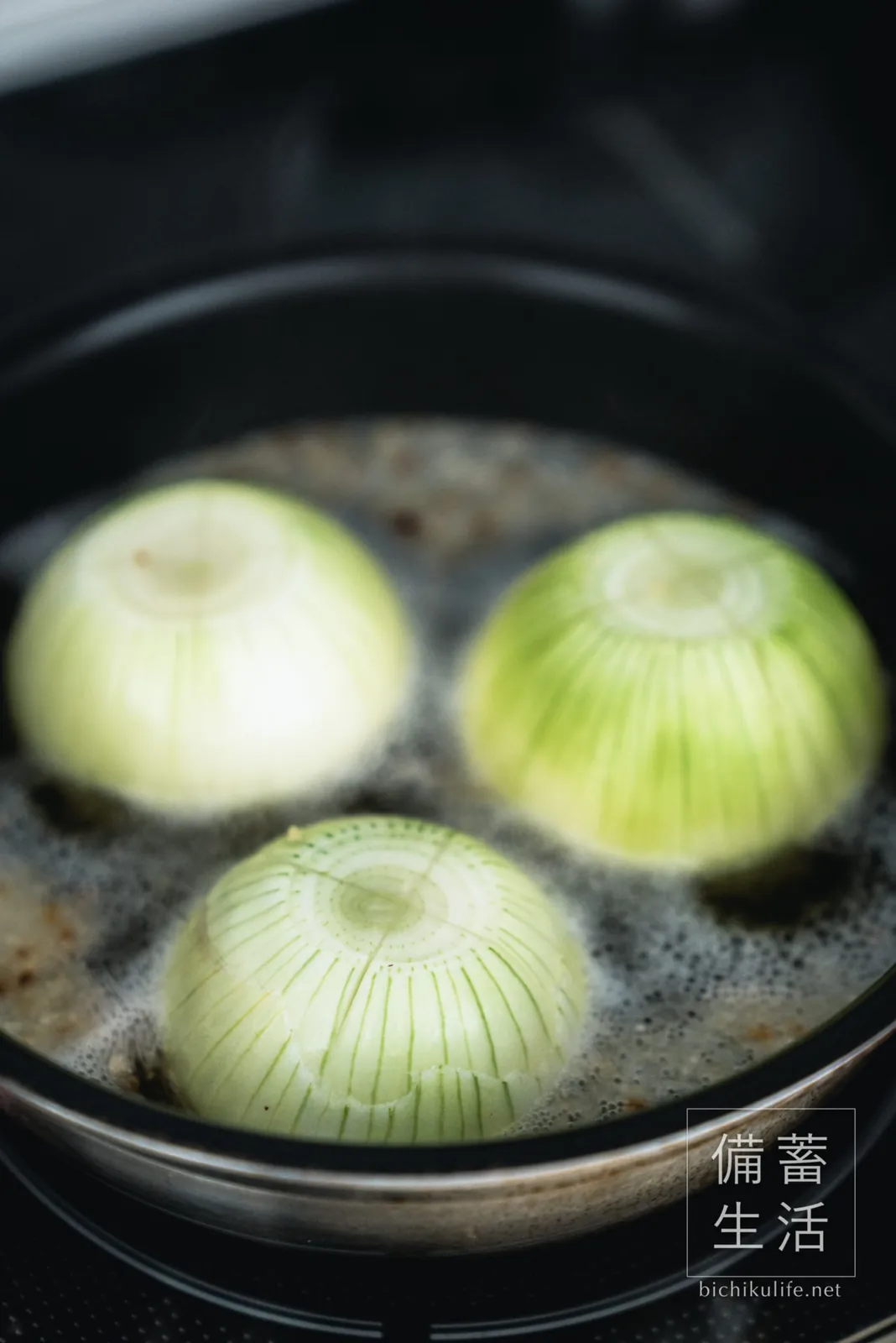
When it boils, lay a drop lid (such as a sheet of parchment paper) on the surface, cover, and simmer gently over low heat for 20–30 minutes.
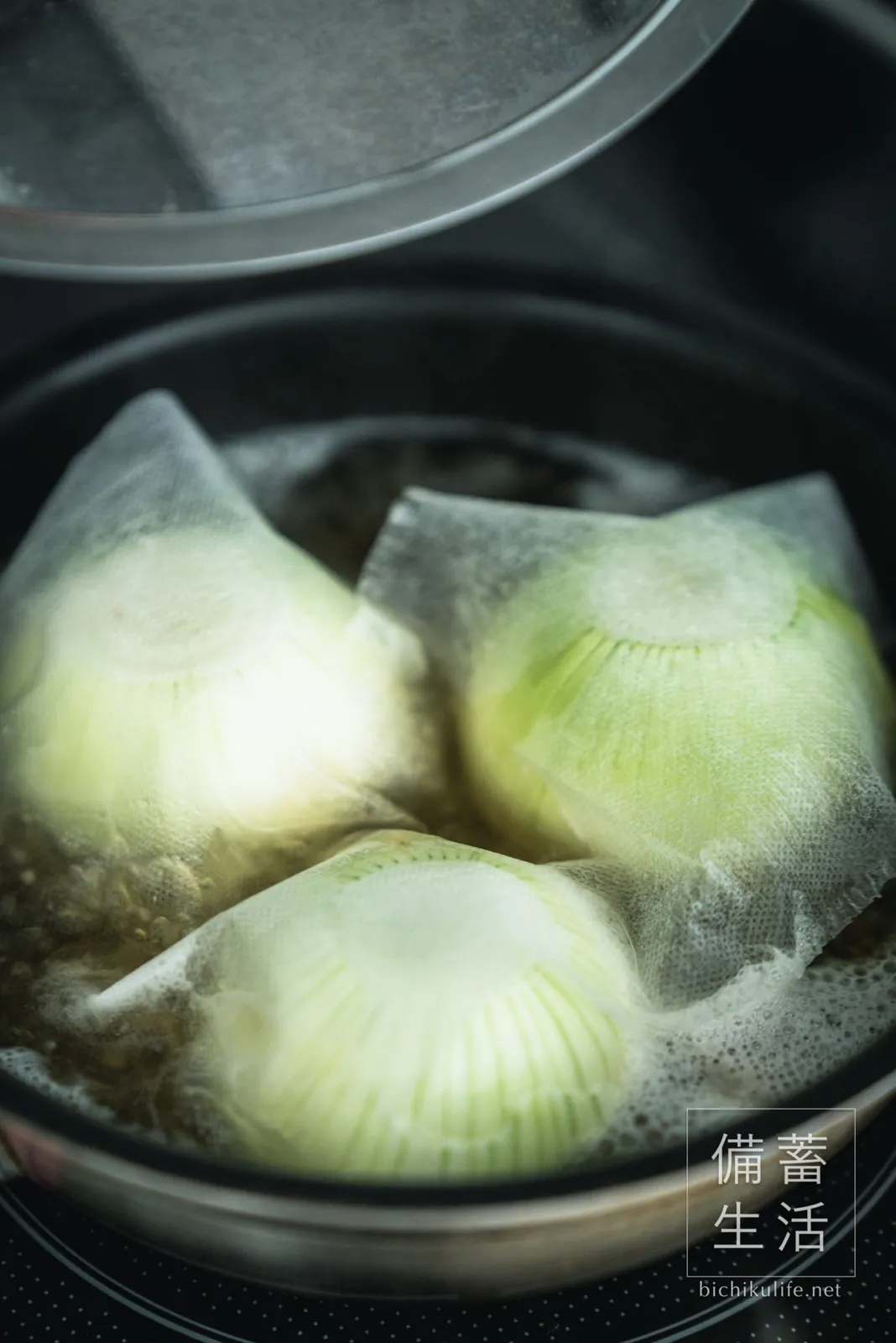
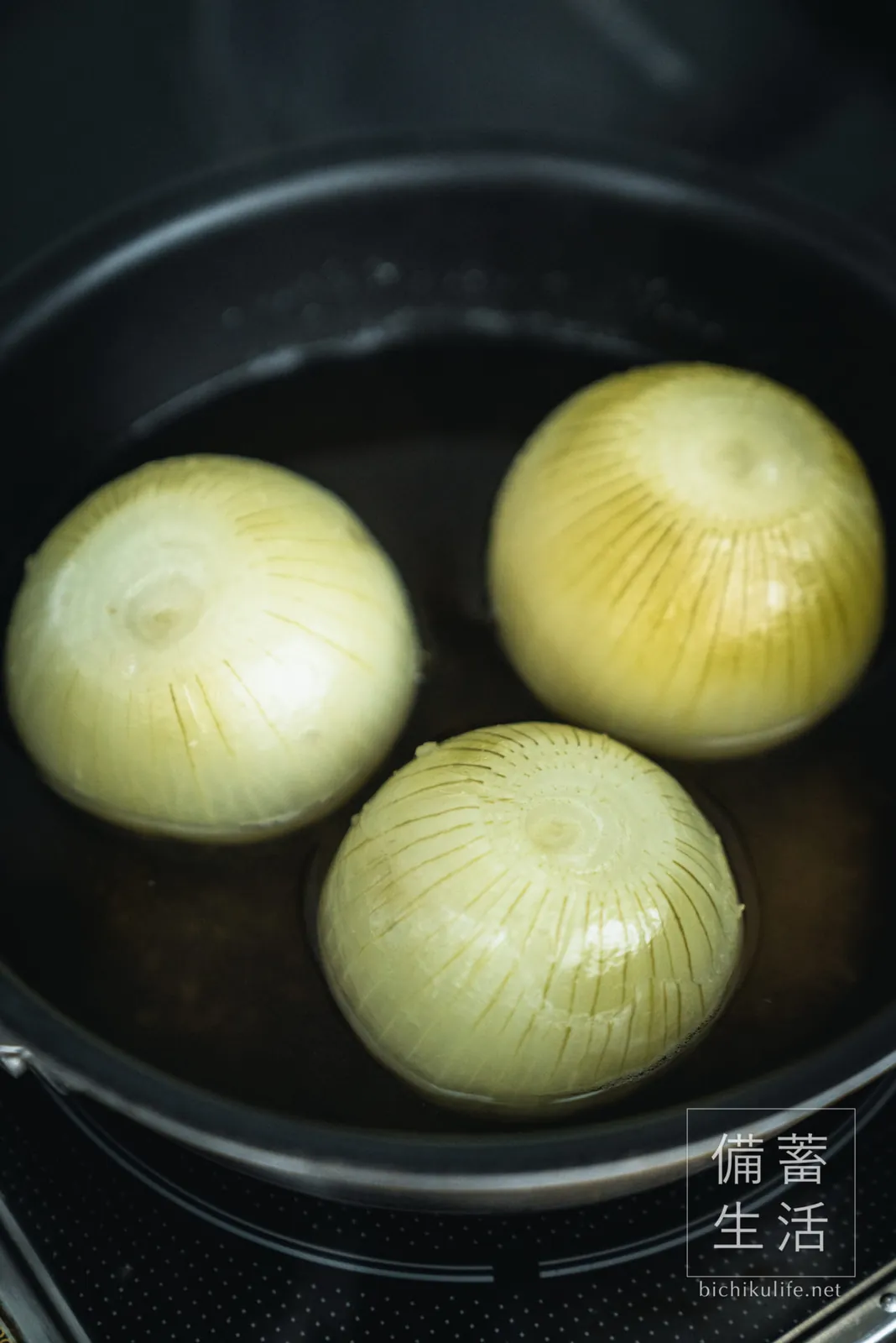
After 30 minutes. The seasoning is simple, so adjust with salt and pepper.
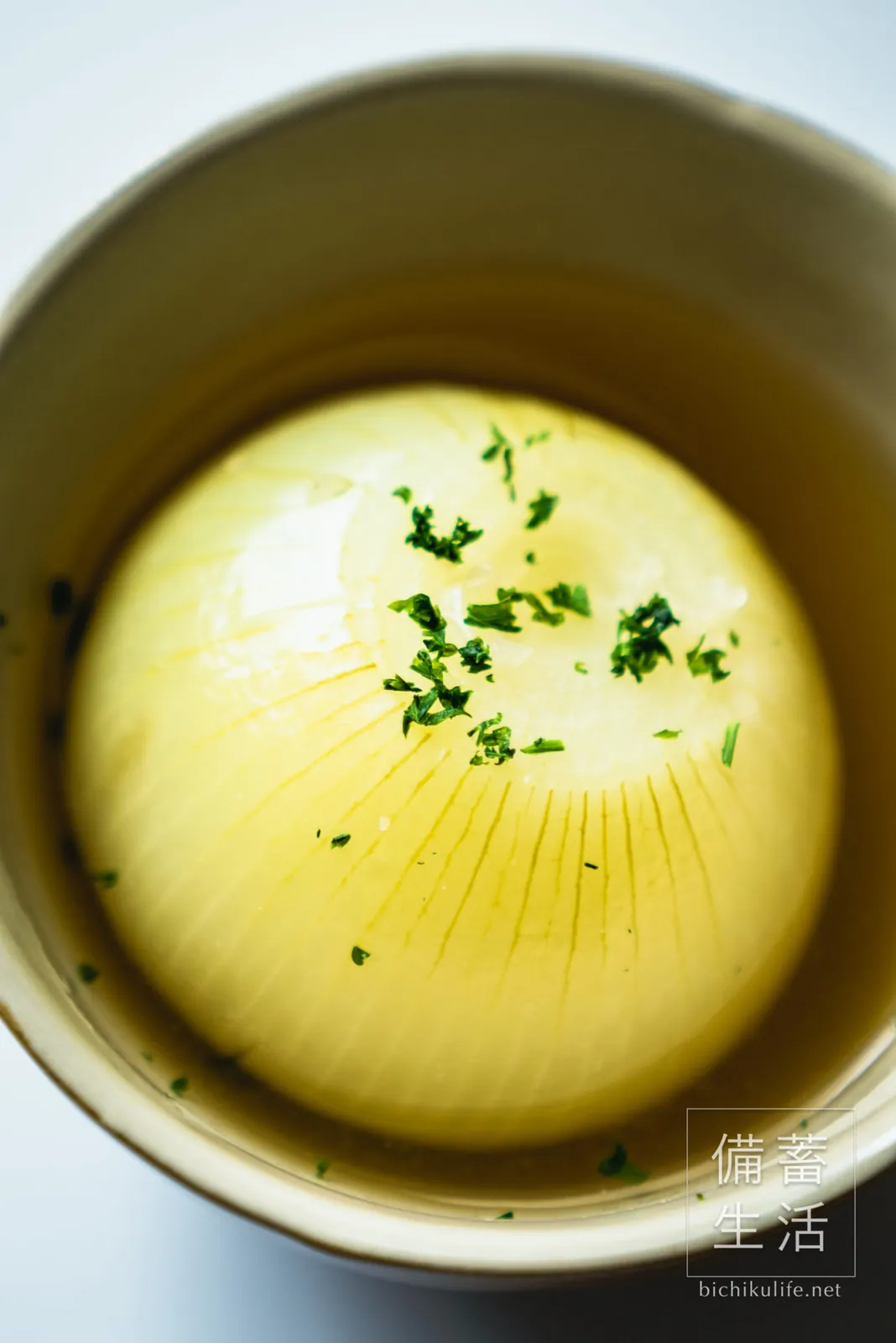
Serve in bowls and sprinkle with parsley.
Onion skin tea
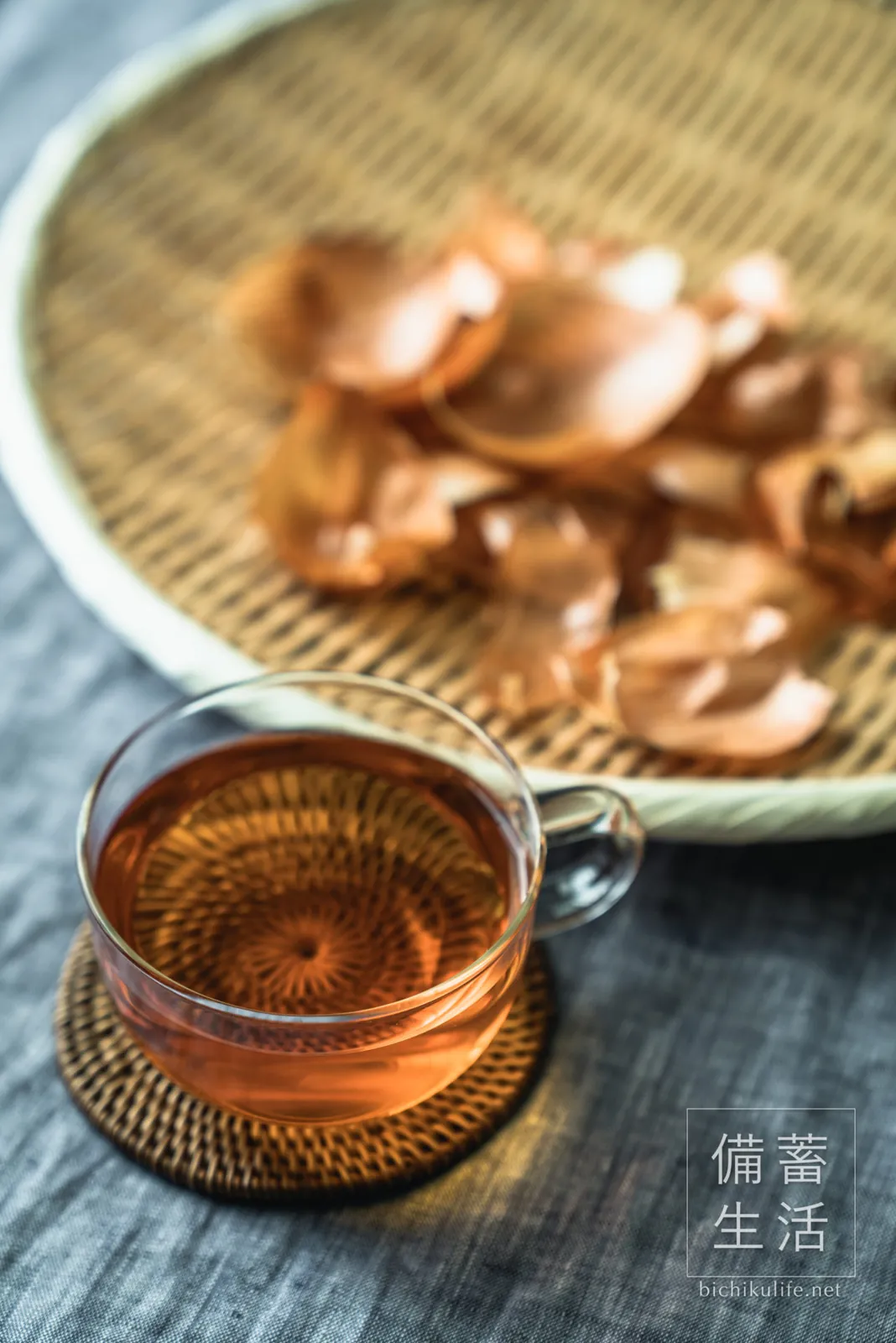
Onion skins contain quercetin, a type of polyphenol. Instead of throwing them away, simmer them for onion skin tea.
It’s bitter on its own, so dilute it with water, hot water or tea.
Ingredients
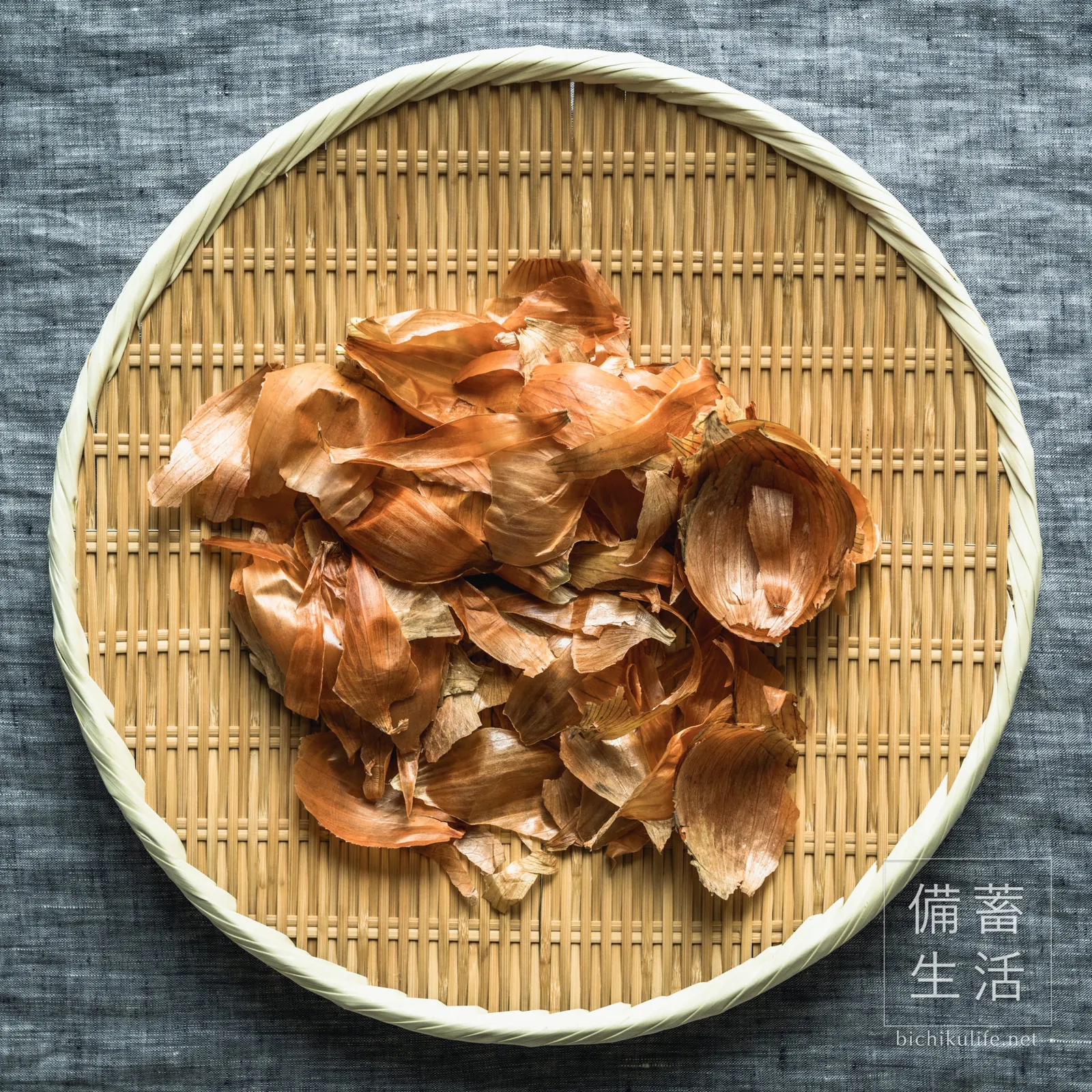
- Skins from 2 medium onions
- 600 ml (2½ cups) water
Method
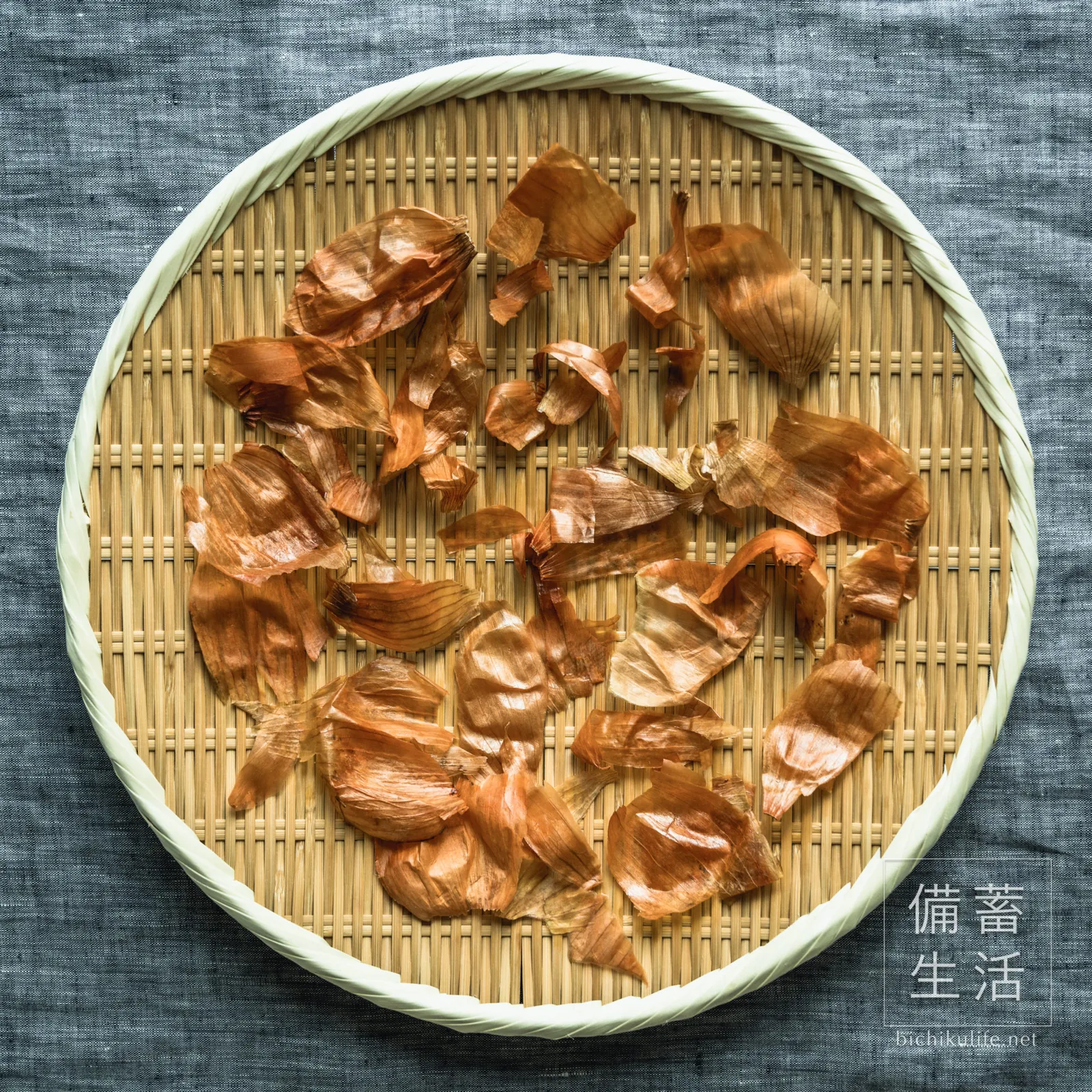
Wash the onion skins and drain in a colander.
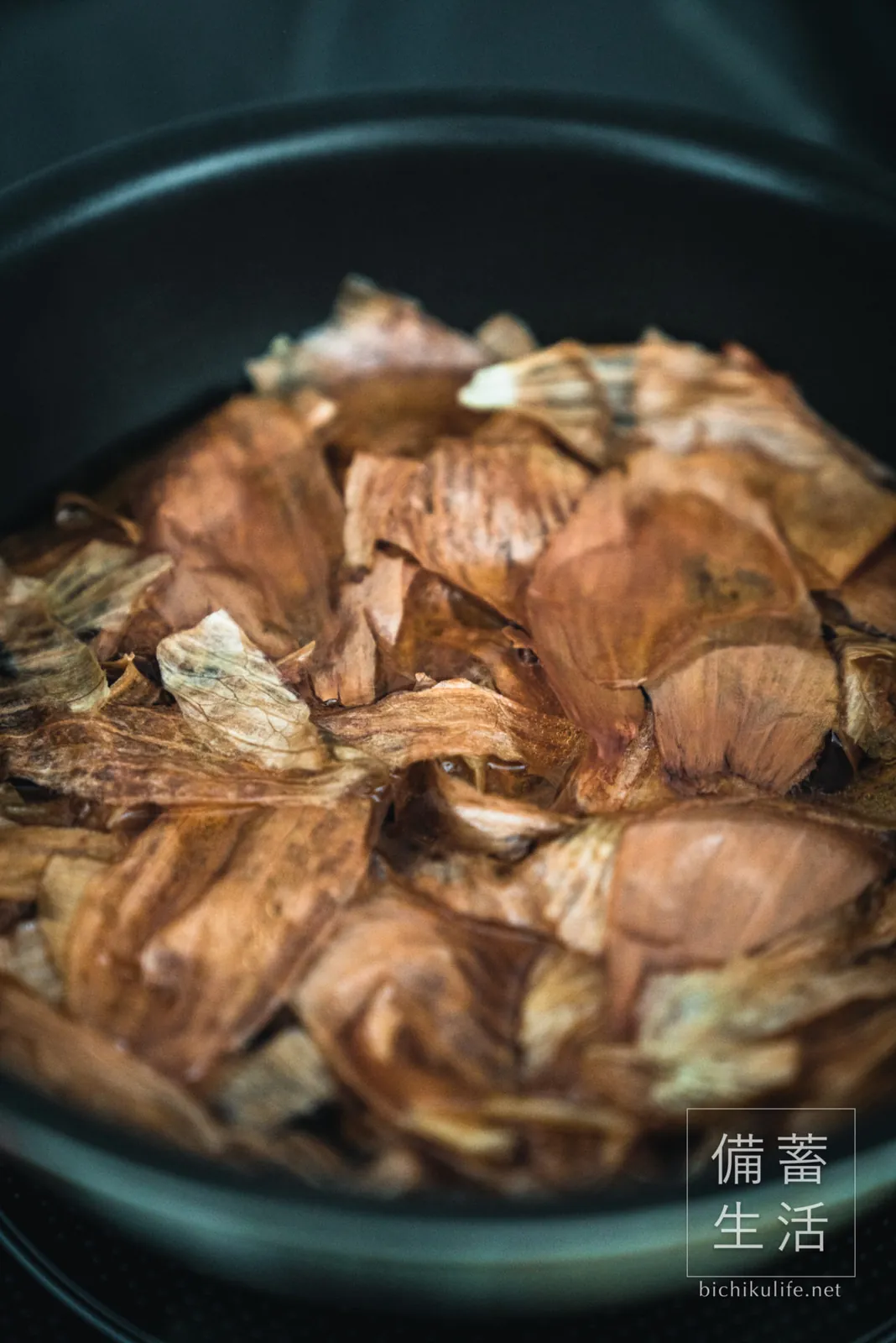
Put the water and onion skins in a pot and heat.
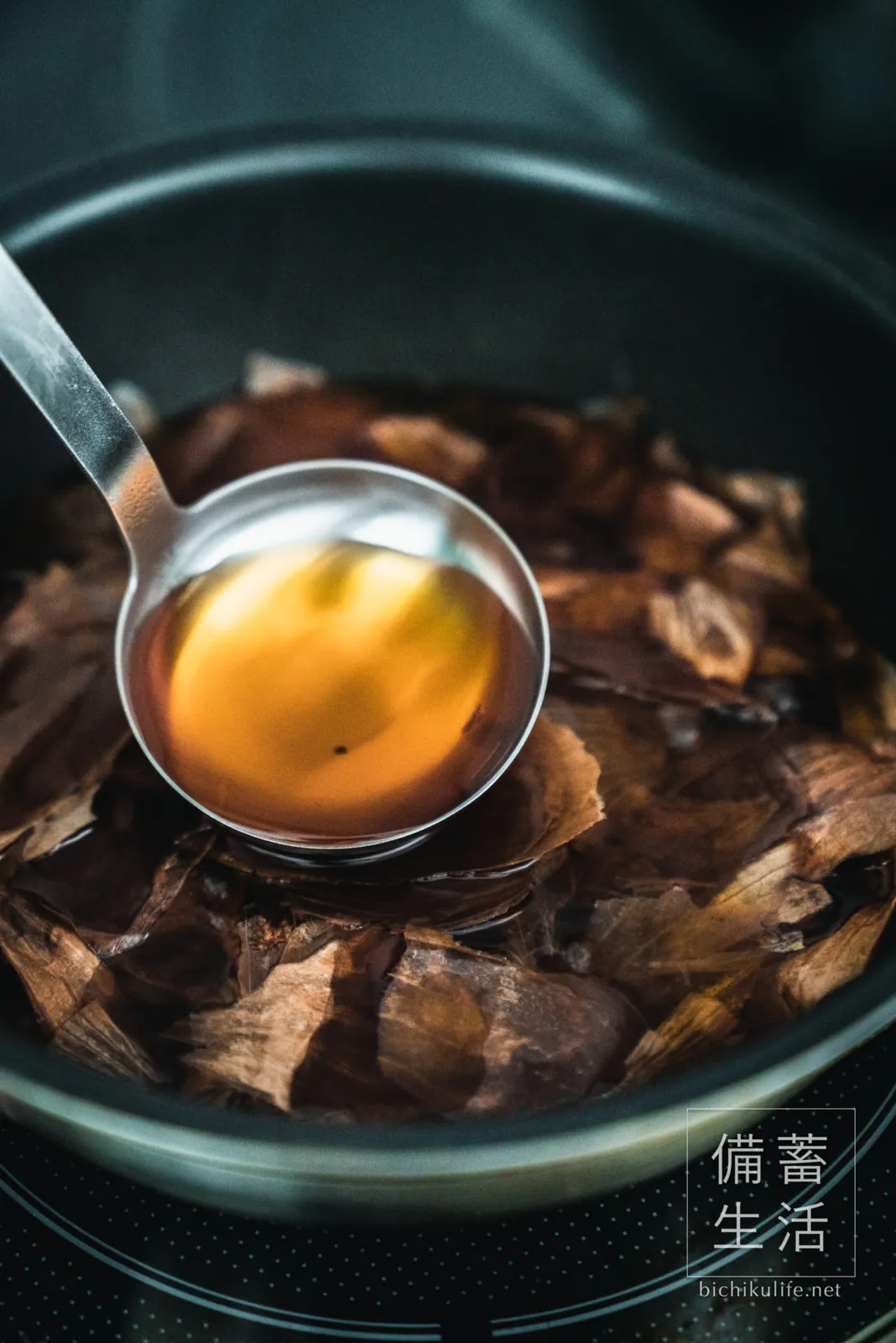
Simmer over medium heat for 10 minutes. Simmering too long makes it more bitter.
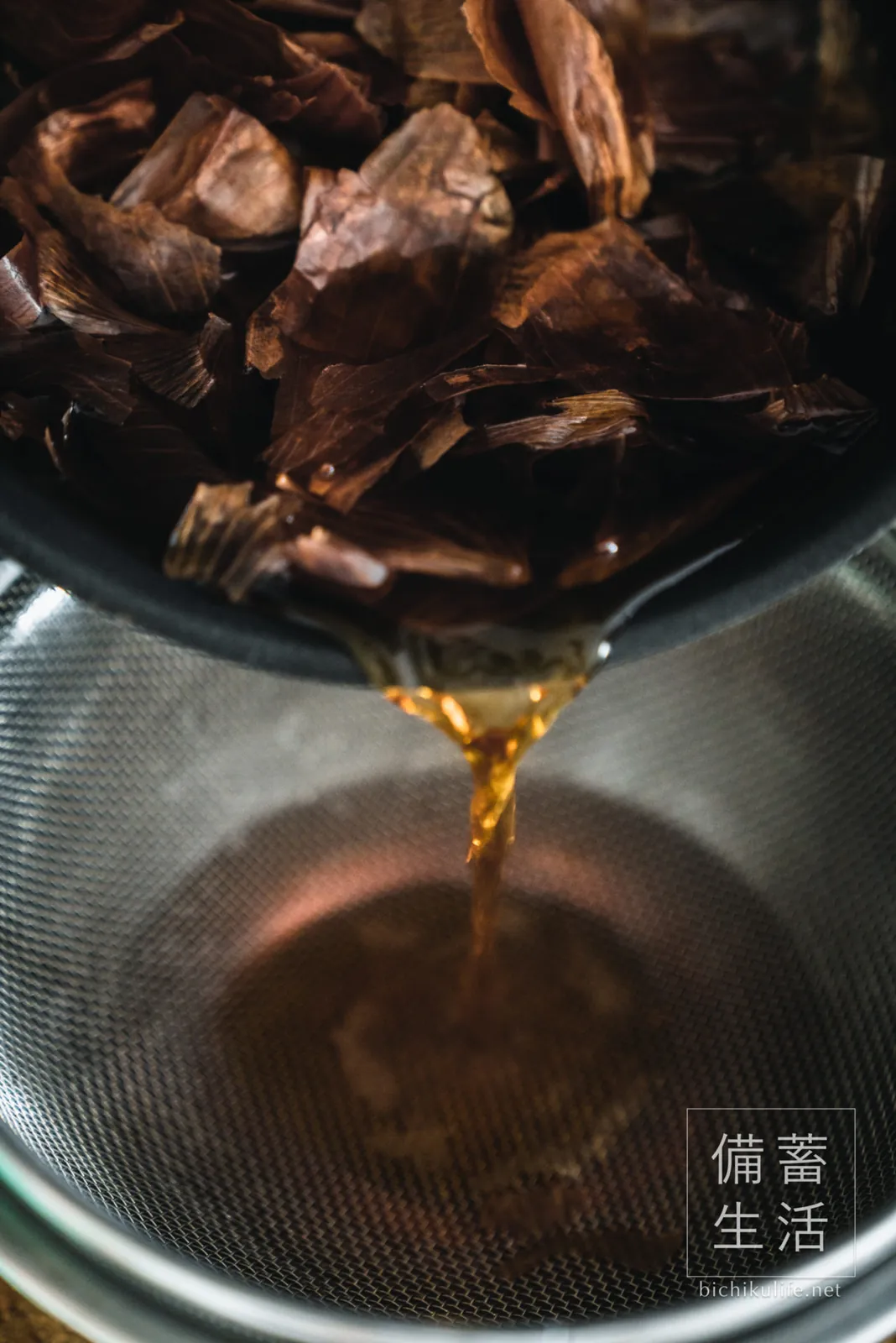
Strain and let cool.
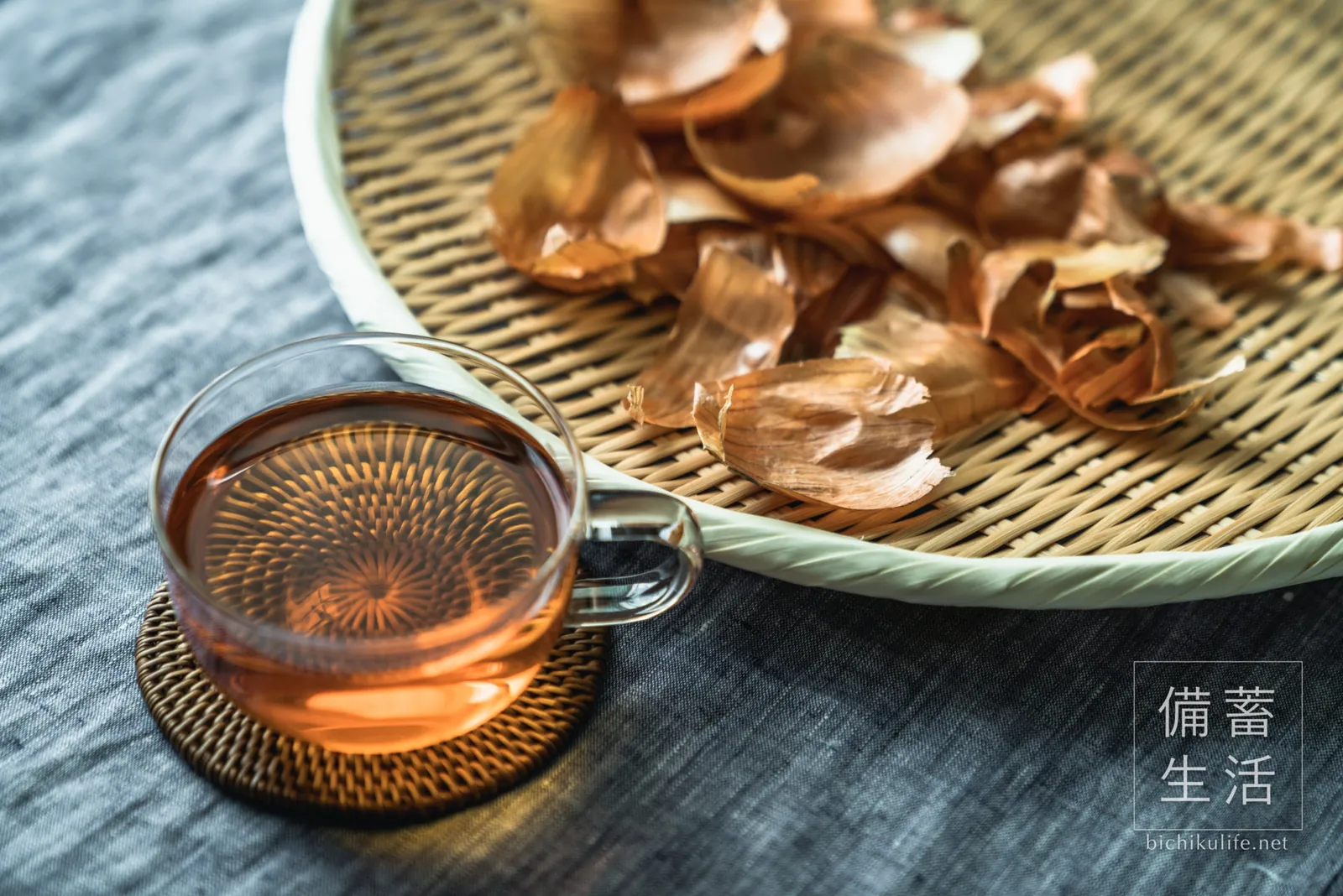
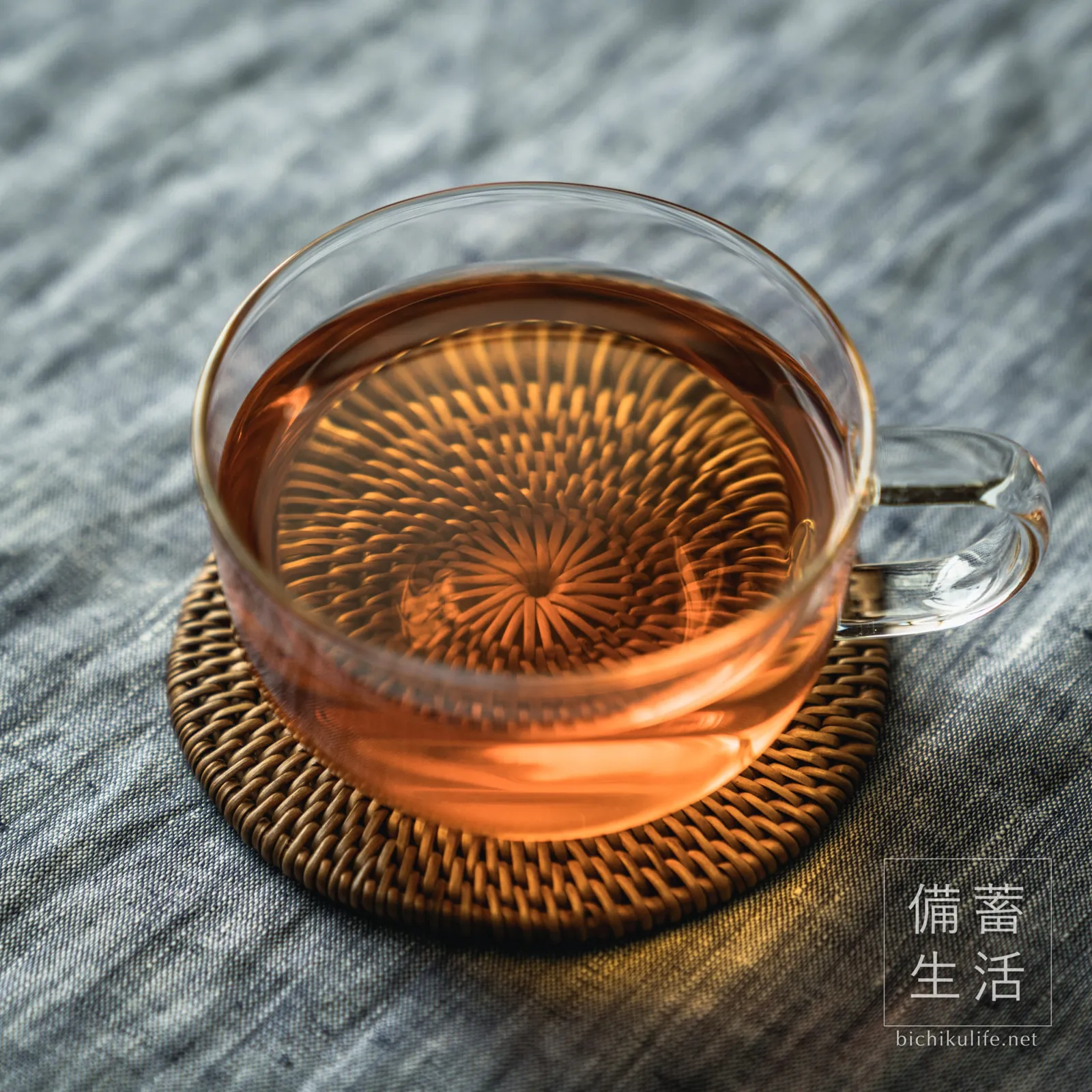
Drink it diluted about twofold. Apart from the bitterness, it has no strong taste, and it’s easier to drink than you might expect.
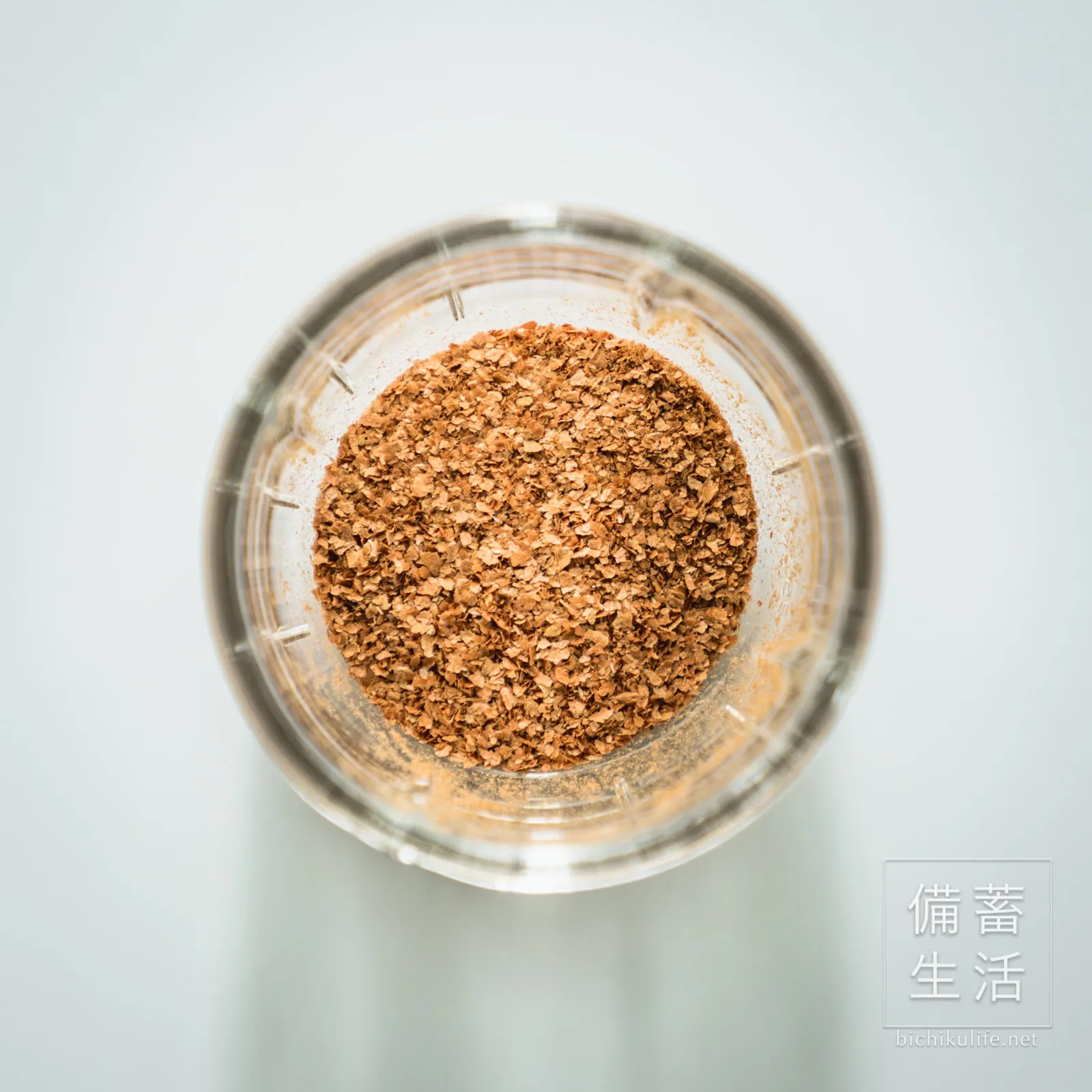
Dried onion skins can also be ground in a mill and kept as a powder. Add it to miso soup or other soups.