Chestnuts
How to Make OhagiSweet Rice Balls with Red Bean Paste, Kinako and Black Sesame, from Scratch
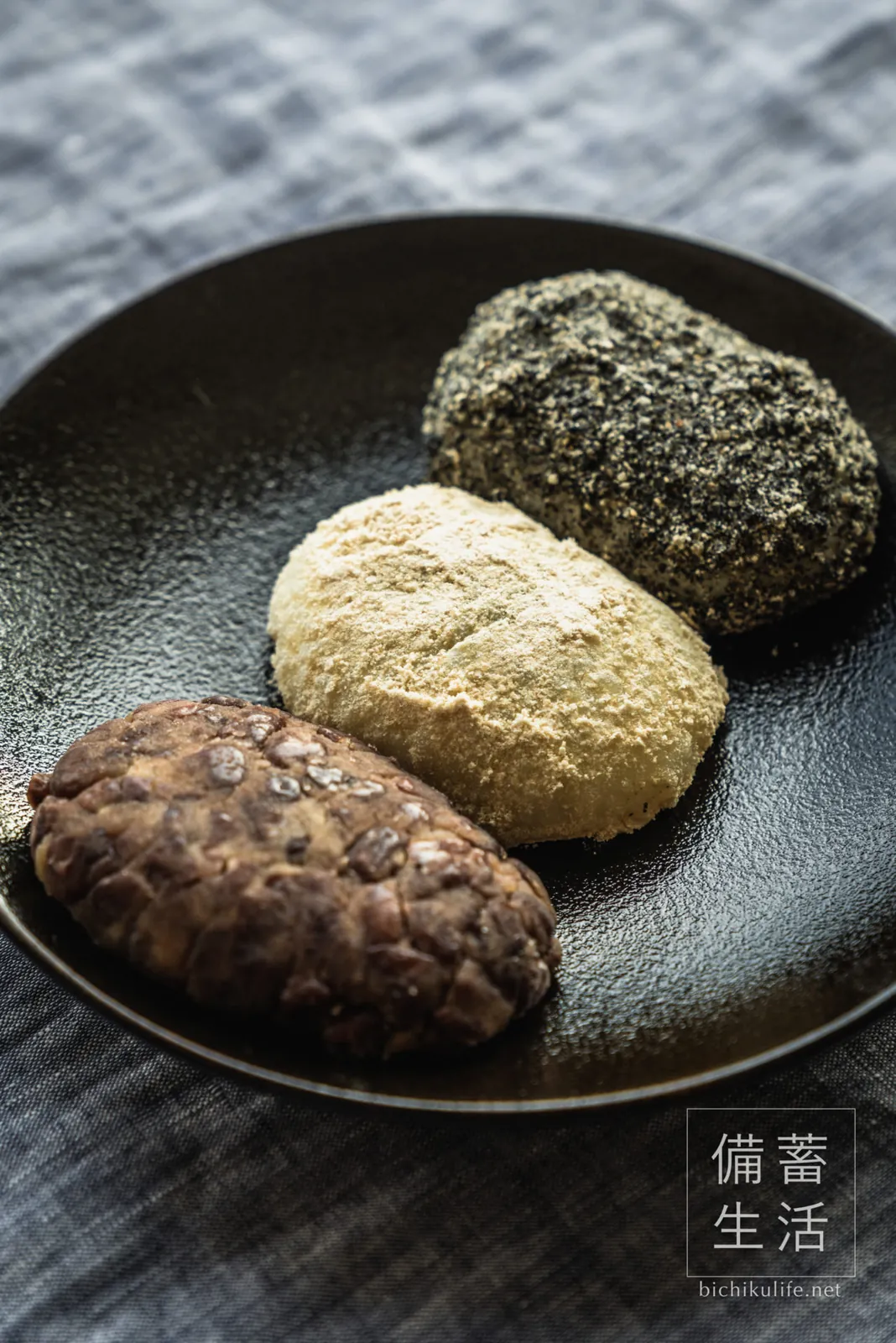
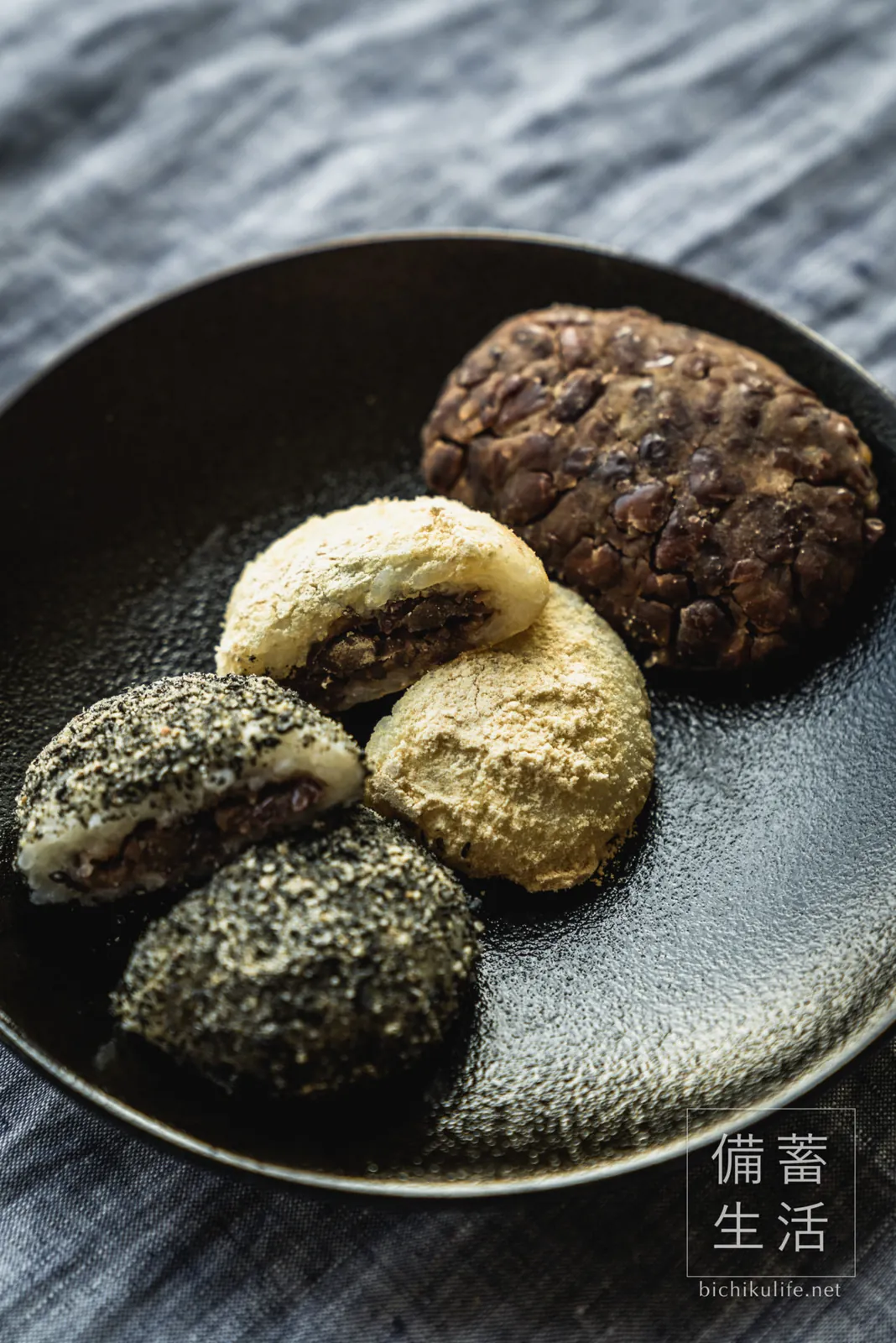
Ohagi are a beloved, homey Japanese sweet: balls of half-mashed sticky rice wrapped in sweet red bean paste, or filled with it and rolled in kinako (roasted soybean flour) or ground black sesame. They’re traditionally made for higan, the week around the autumn equinox, but they’re a lovely everyday snack too.
The ingredients are simple, and it’s easier than you might think. Here’s our recipe, starting from the chunky red bean paste (tsubuan), for three kinds: red bean, kinako and black sesame.
| When to make | September (autumn equinox), or any time as a snack |
| Makes | 9 (3 each of red bean, kinako and black sesame) |
| Storage | Eat ohagi the same day. Leftover bean paste can be frozen |
Ingredients and tools
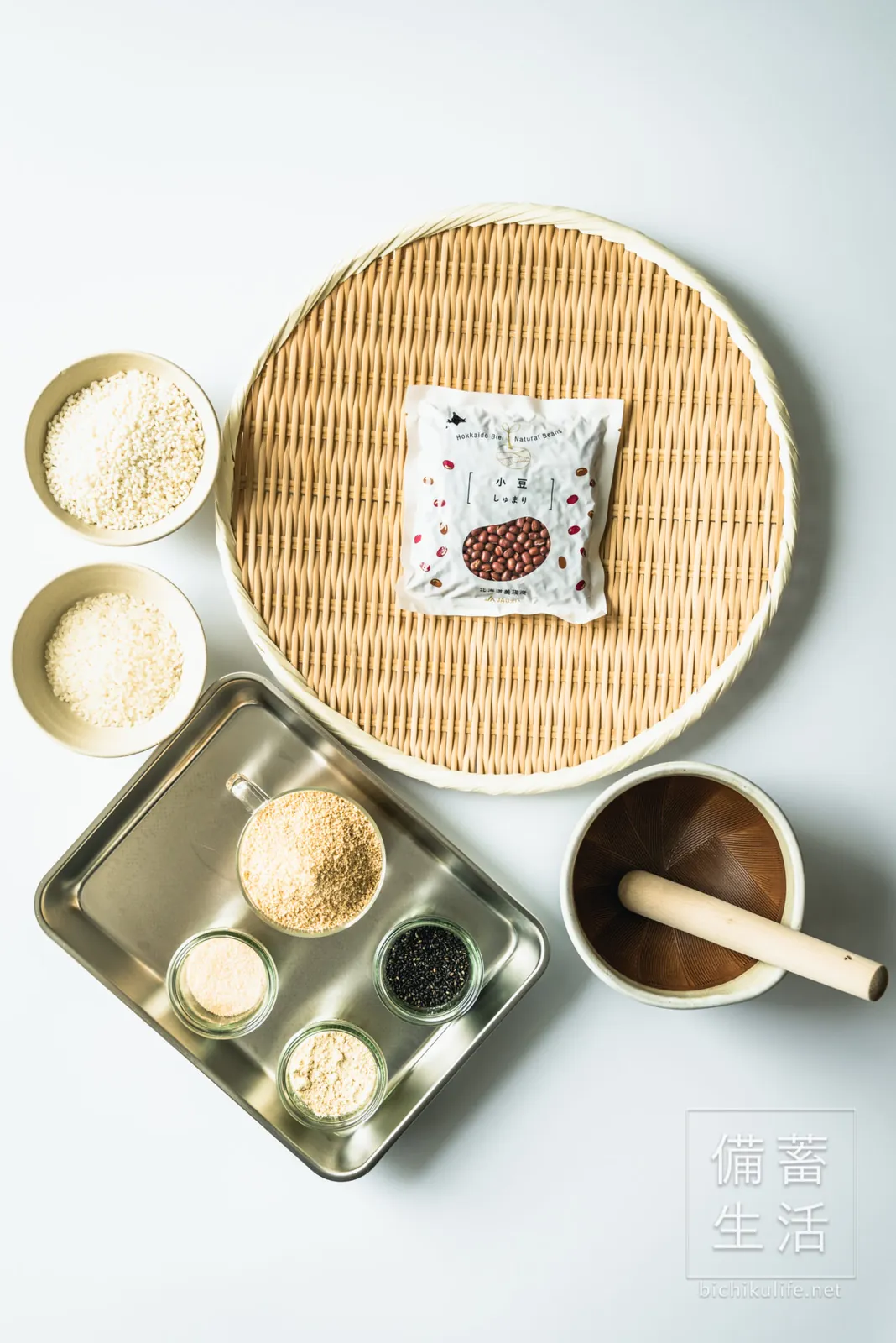
We made the bean paste with Shumari azuki beans from Biei, Hokkaido, and beet sugar. If you have a mortar, grind whole black sesame seeds yourself.
Makes 9 ohagi (3 each of red bean, kinako and black sesame)
- 180 ml (¾ cup) glutinous (sticky) rice
- 90 ml (⅓ cup) Japanese short-grain rice
Chunky red bean paste (tsubuan)
- 200 g (7 oz) dried azuki beans
- 180 g (scant 1 cup) sugar (light brown sugar, raw cane sugar, beet sugar, or whatever you like)
- A pinch of salt
For coating
- 3 tbsp kinako (roasted soybean flour)
- 3 tbsp black sesame seeds
- 2 tbsp kibi sugar (raw cane sugar), 1 tbsp each for the kinako and sesame
- A pinch of salt
How to make ohagi
Make the red bean paste (tsubuan)
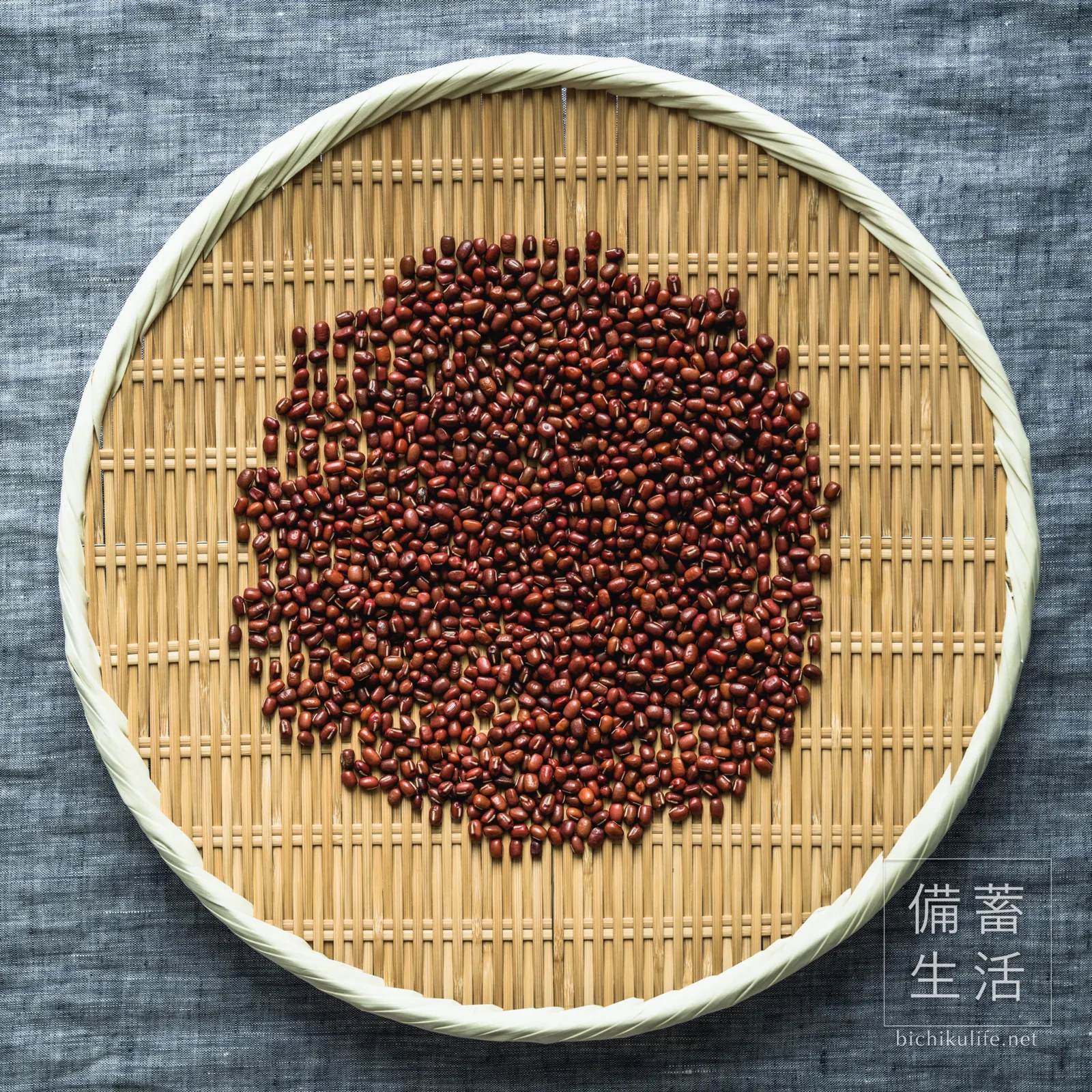
Azuki beans need to be boiled and drained once first. Here are the steps in detail.
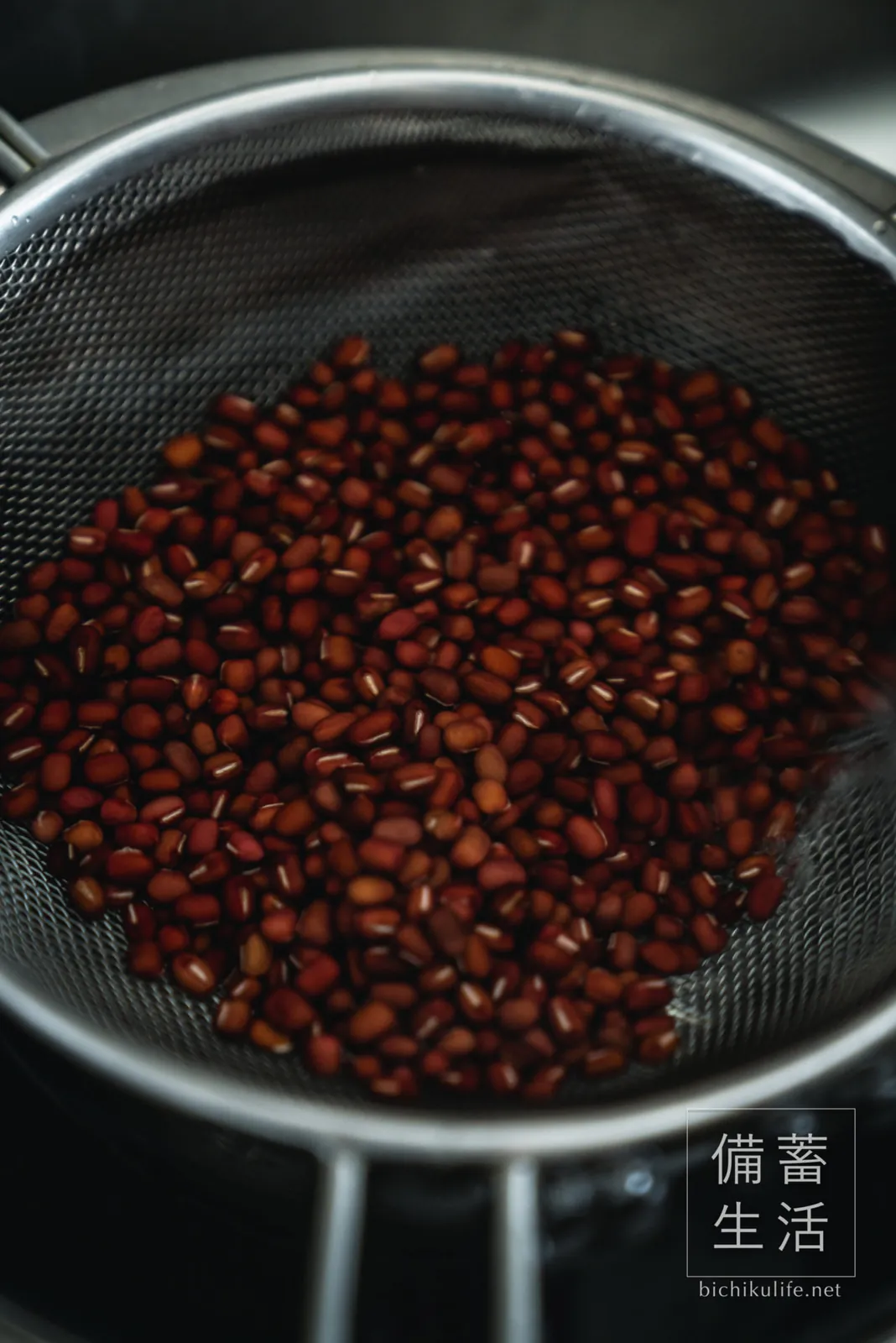
Wash the beans and drain them in a colander.
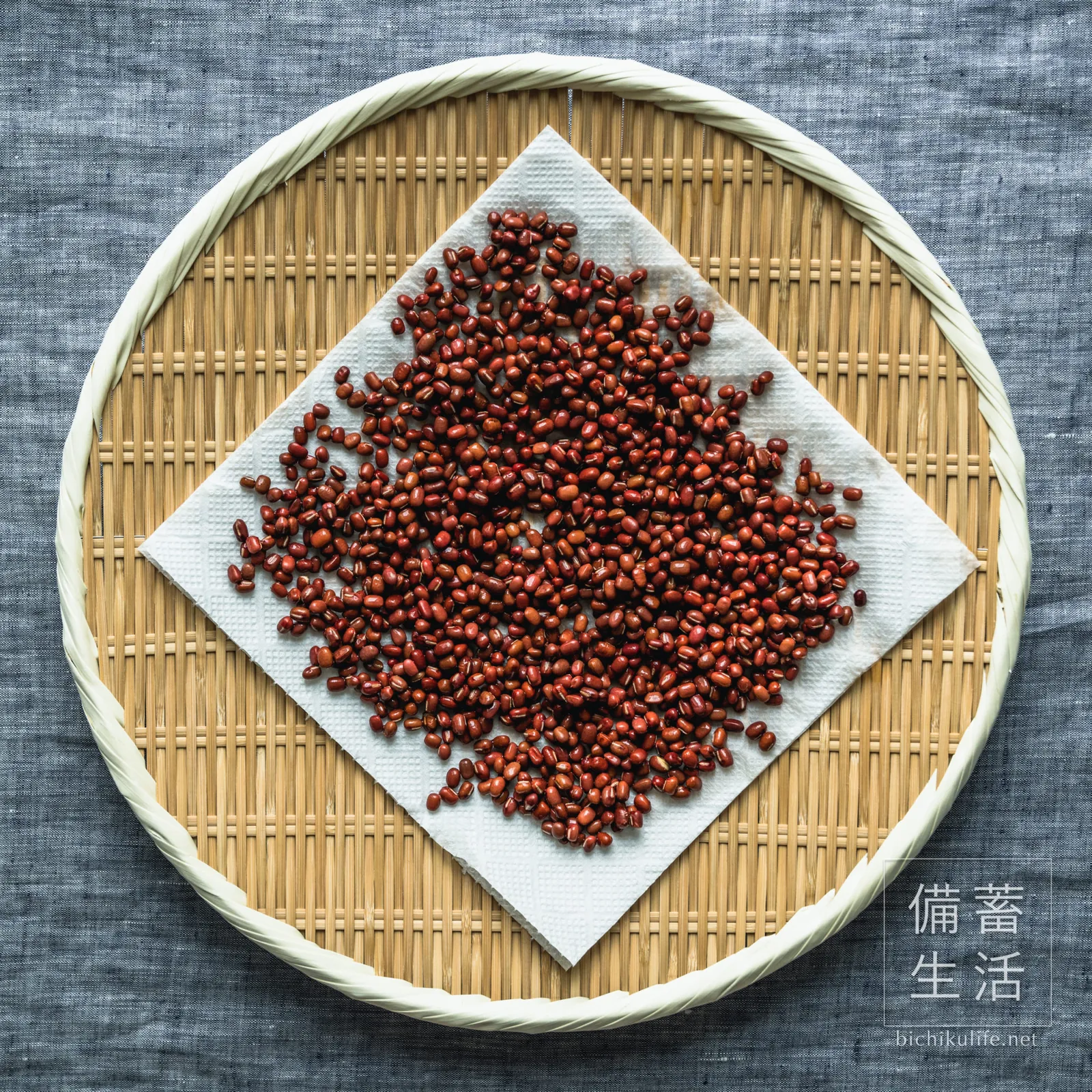
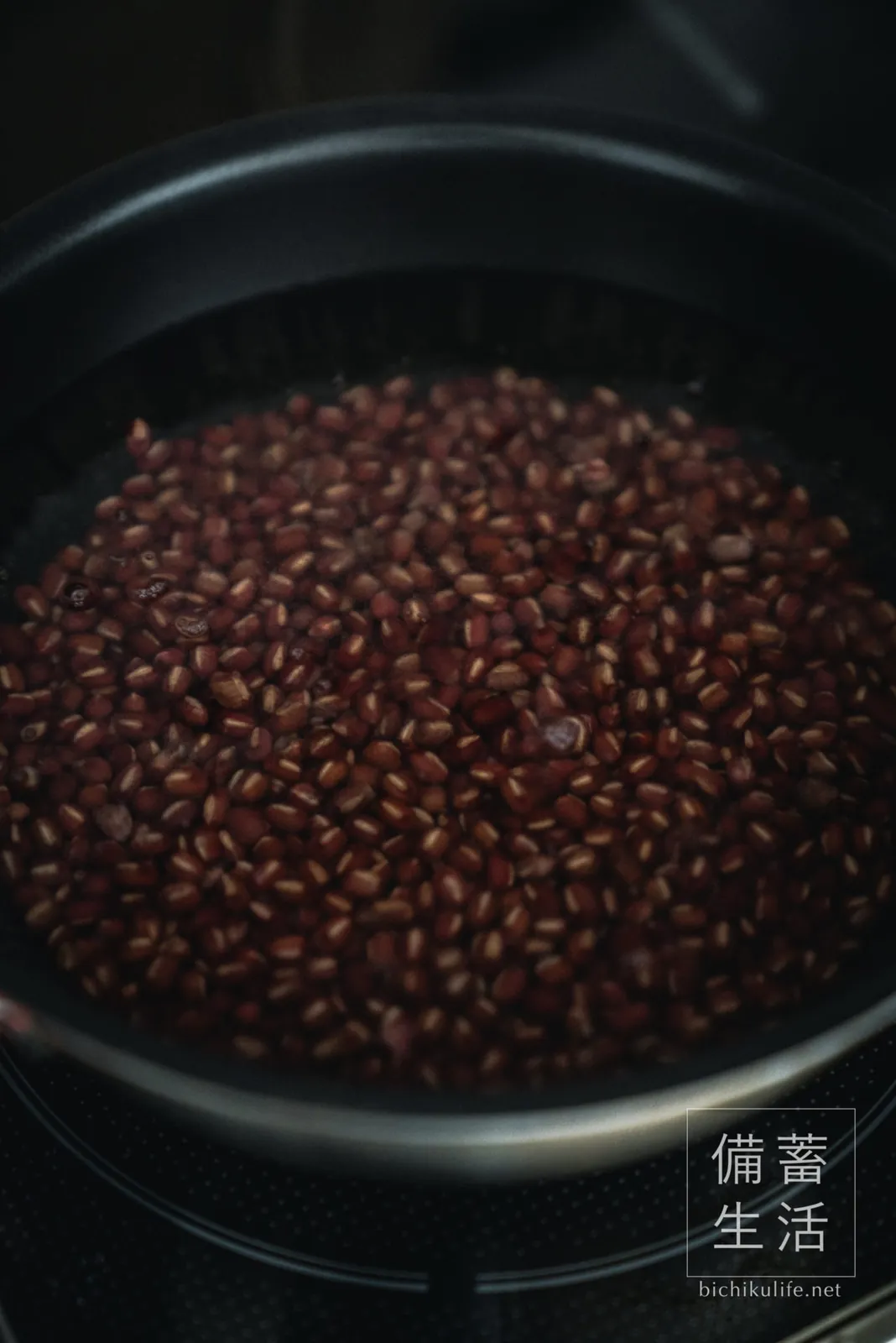
Put the beans in a pot with plenty of water and bring to a boil. Boil over medium heat for 5 minutes, then take off the heat and rinse under running water.
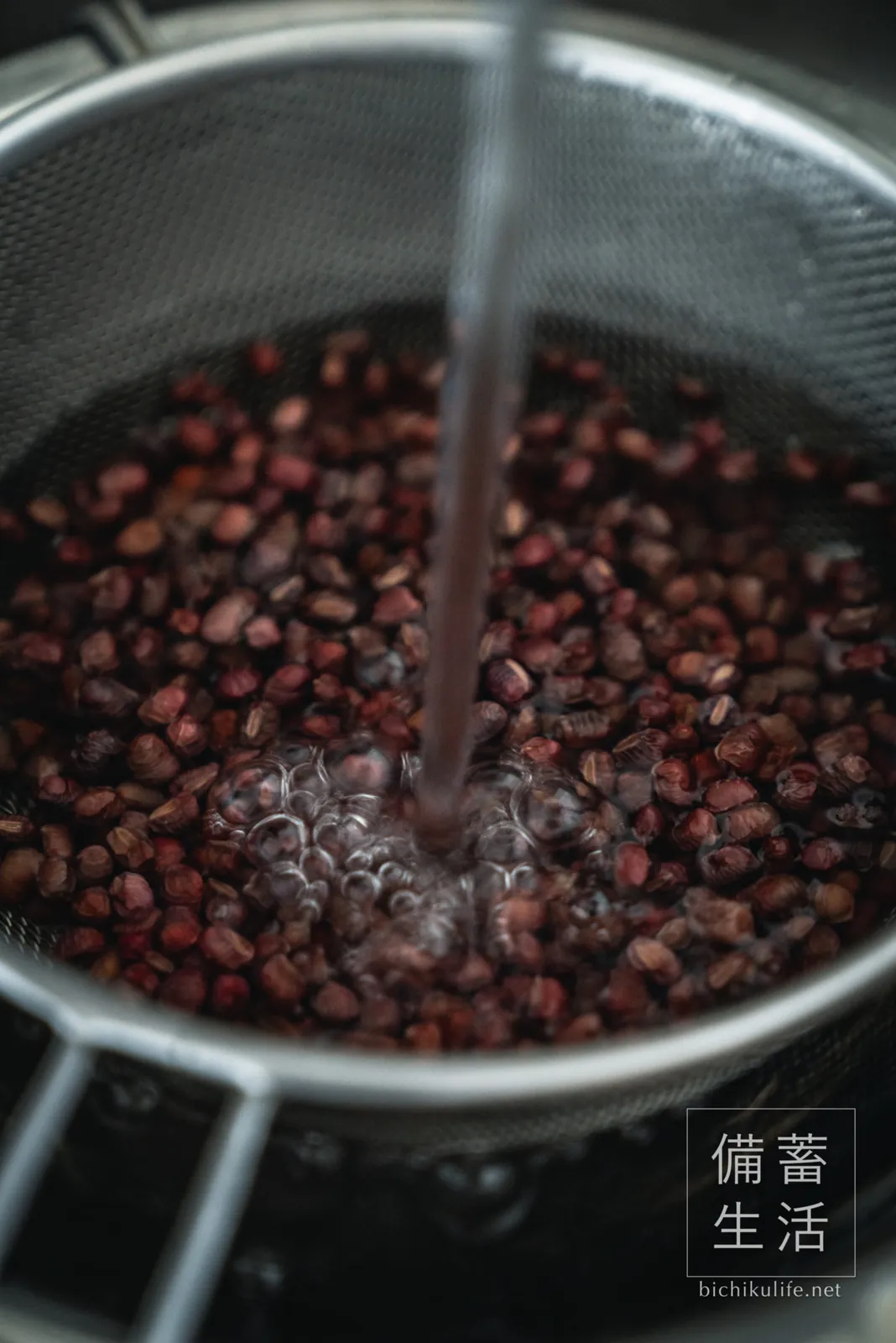
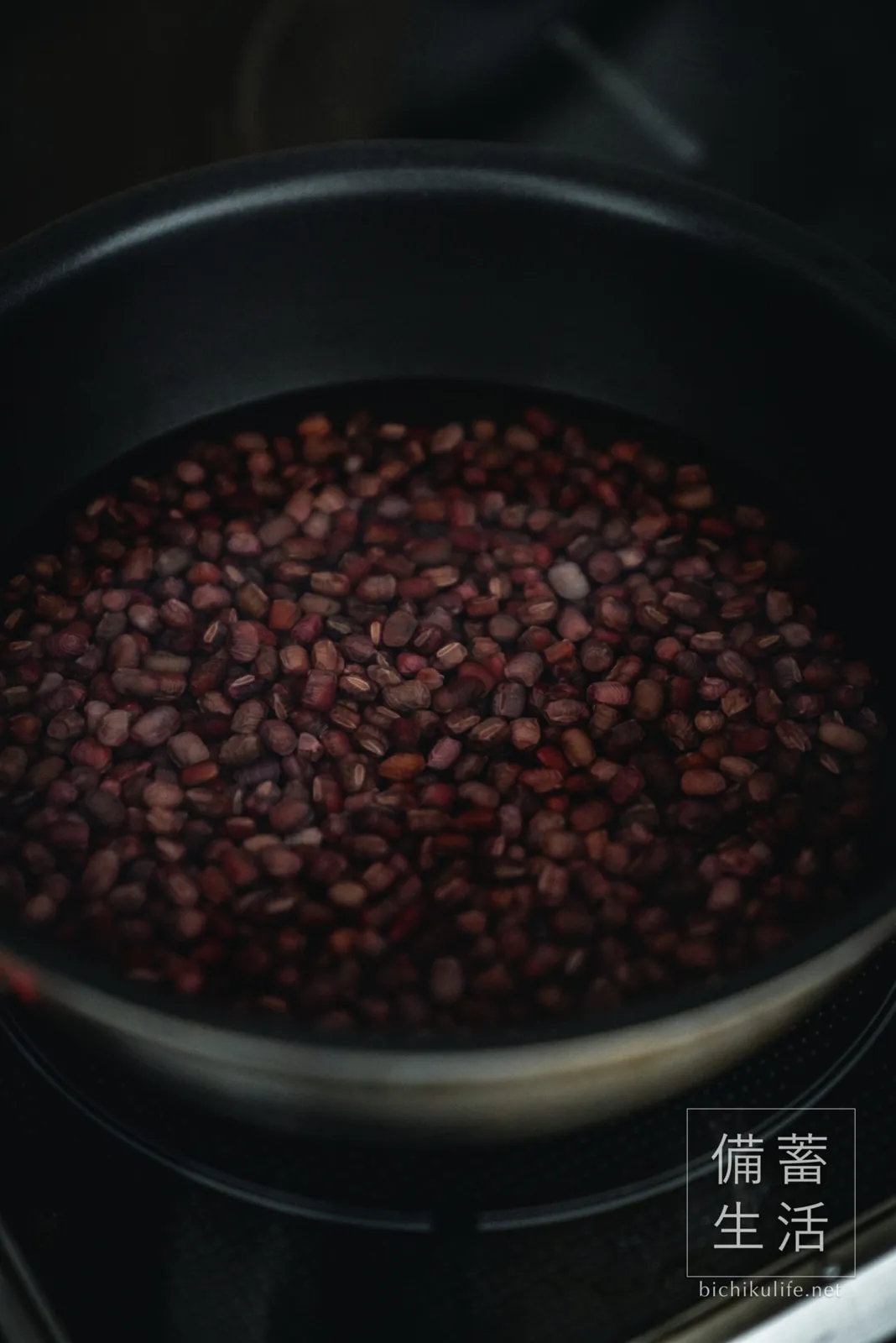
Put the beans back in the pot, add water to cover, and heat on high. When it boils, cover and cook over medium heat for about 40 minutes, until soft.
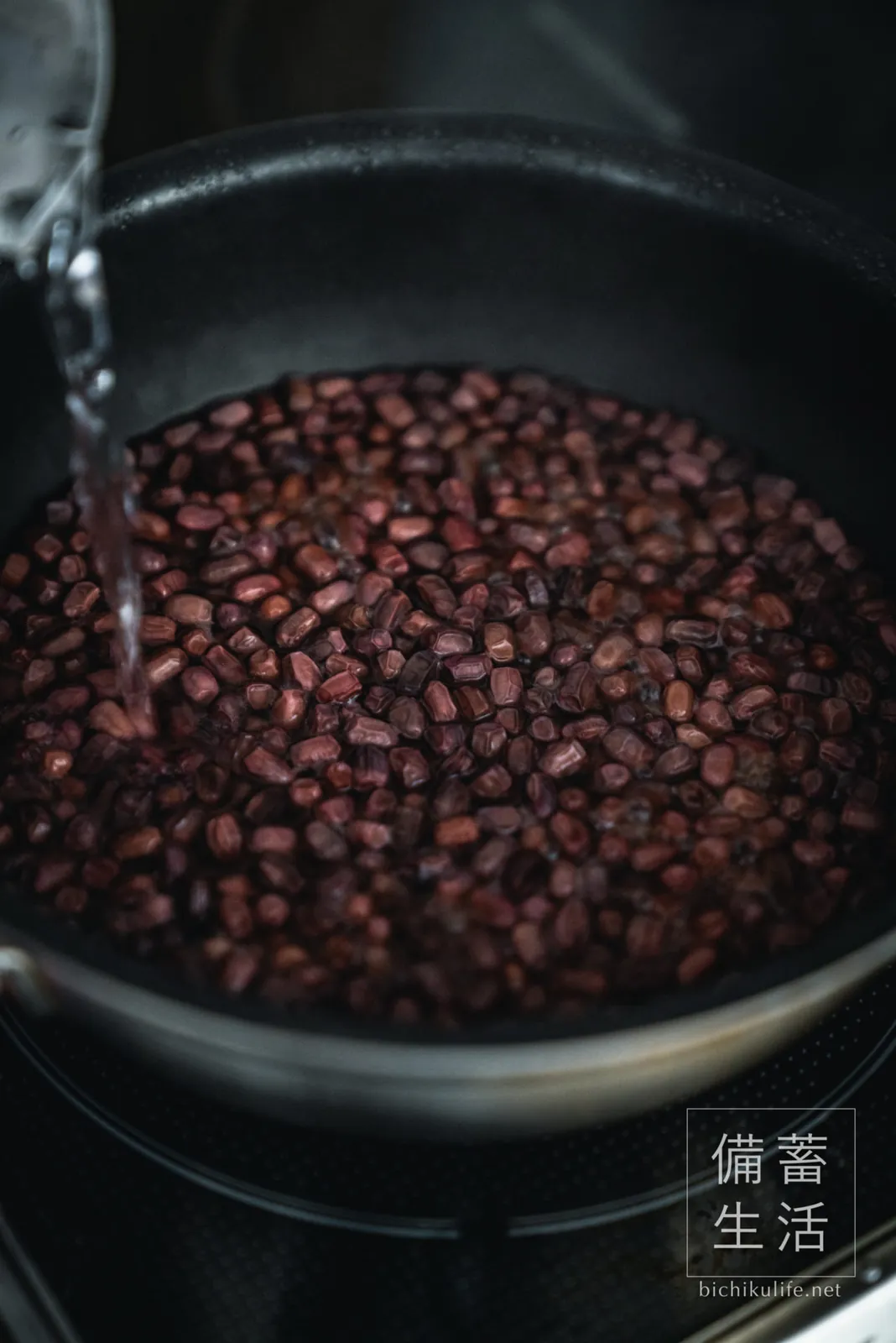
Add water as needed along the way so they don’t boil dry and burn.
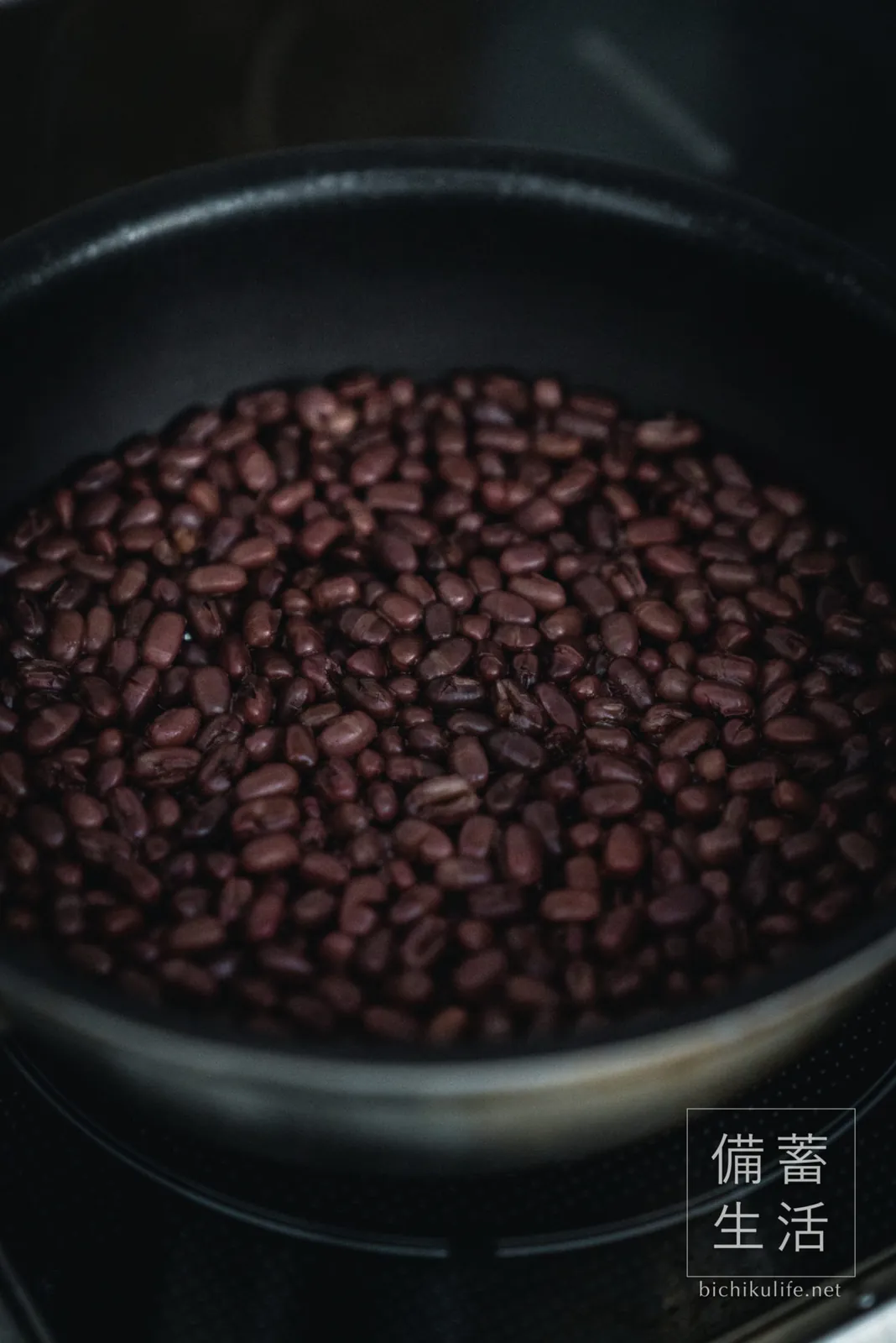
After 40 minutes. The beans have plumped up and grown in volume.
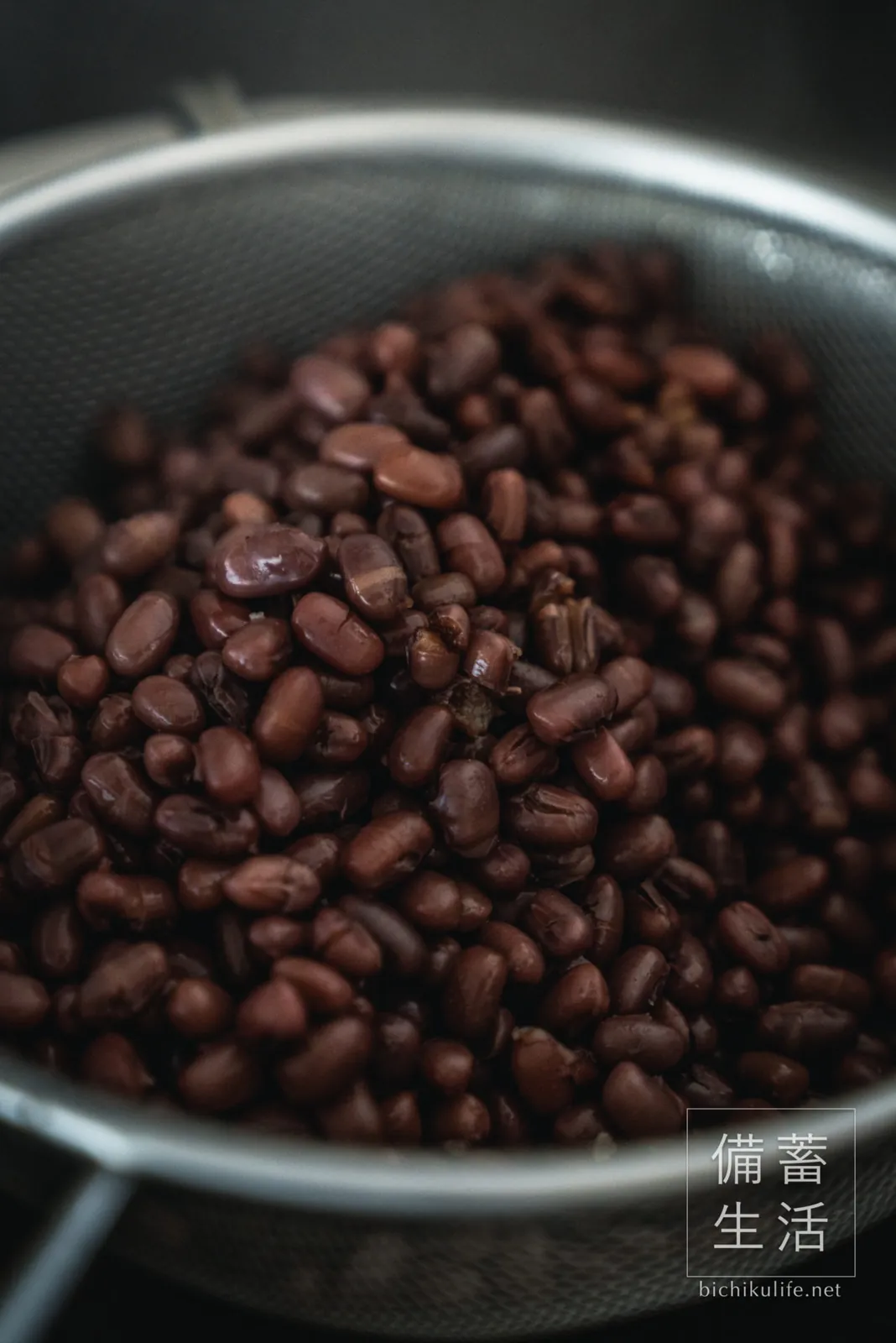
Pour off the cooking liquid and put the beans back in the pot.
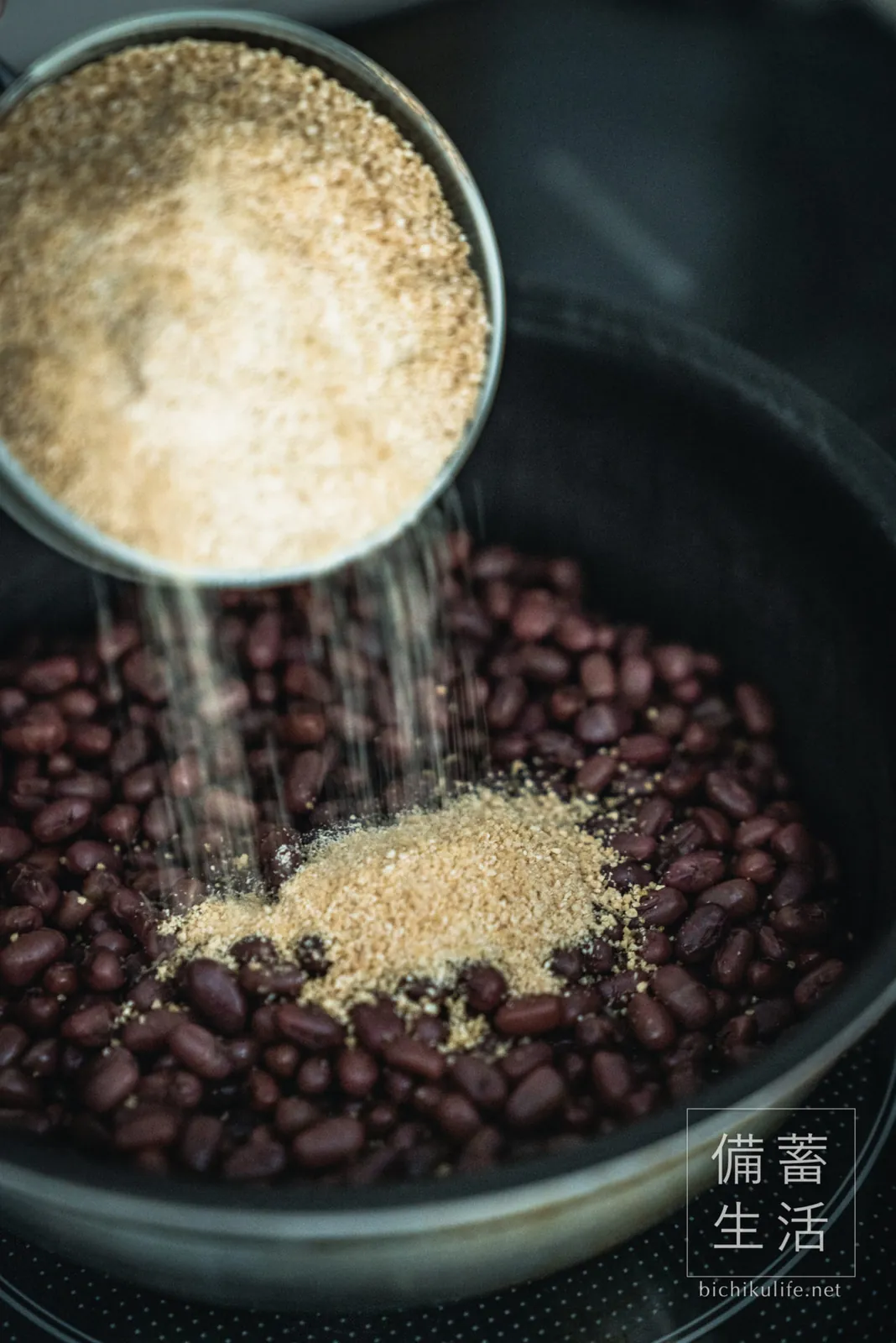
Add the sugar and set over medium heat, stirring gently.
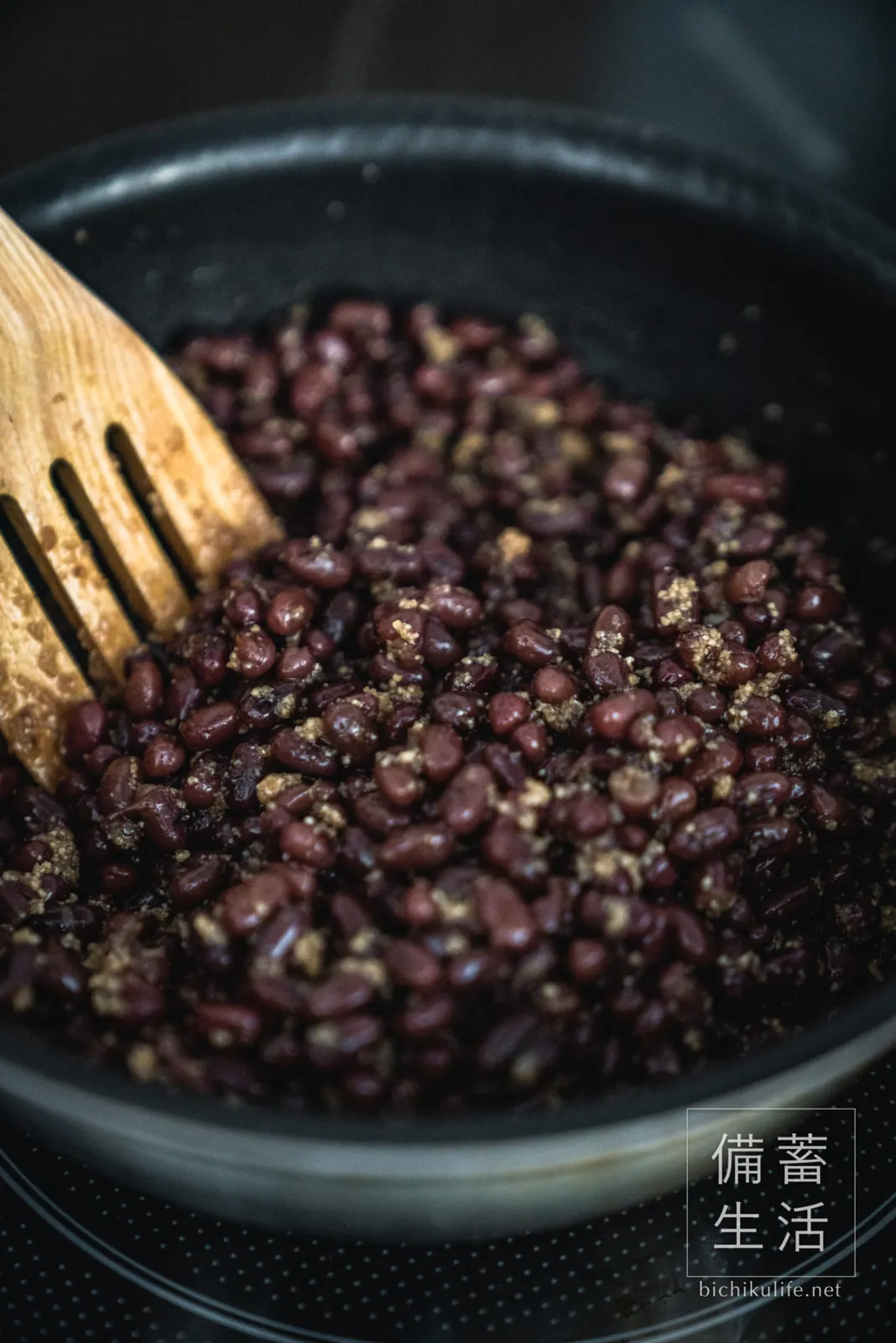
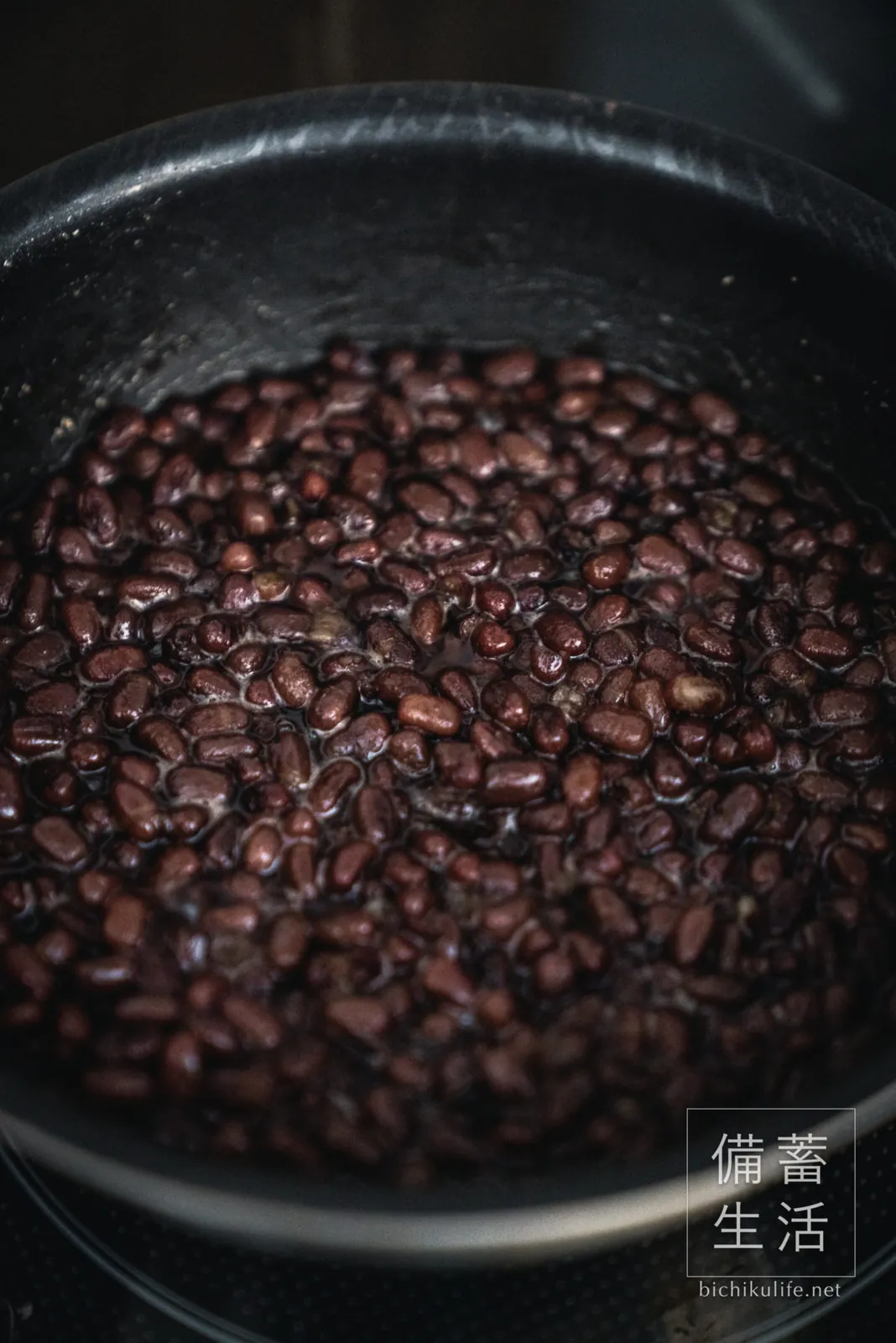
The sugar melts, and the paste bubbles as the liquid cooks down.
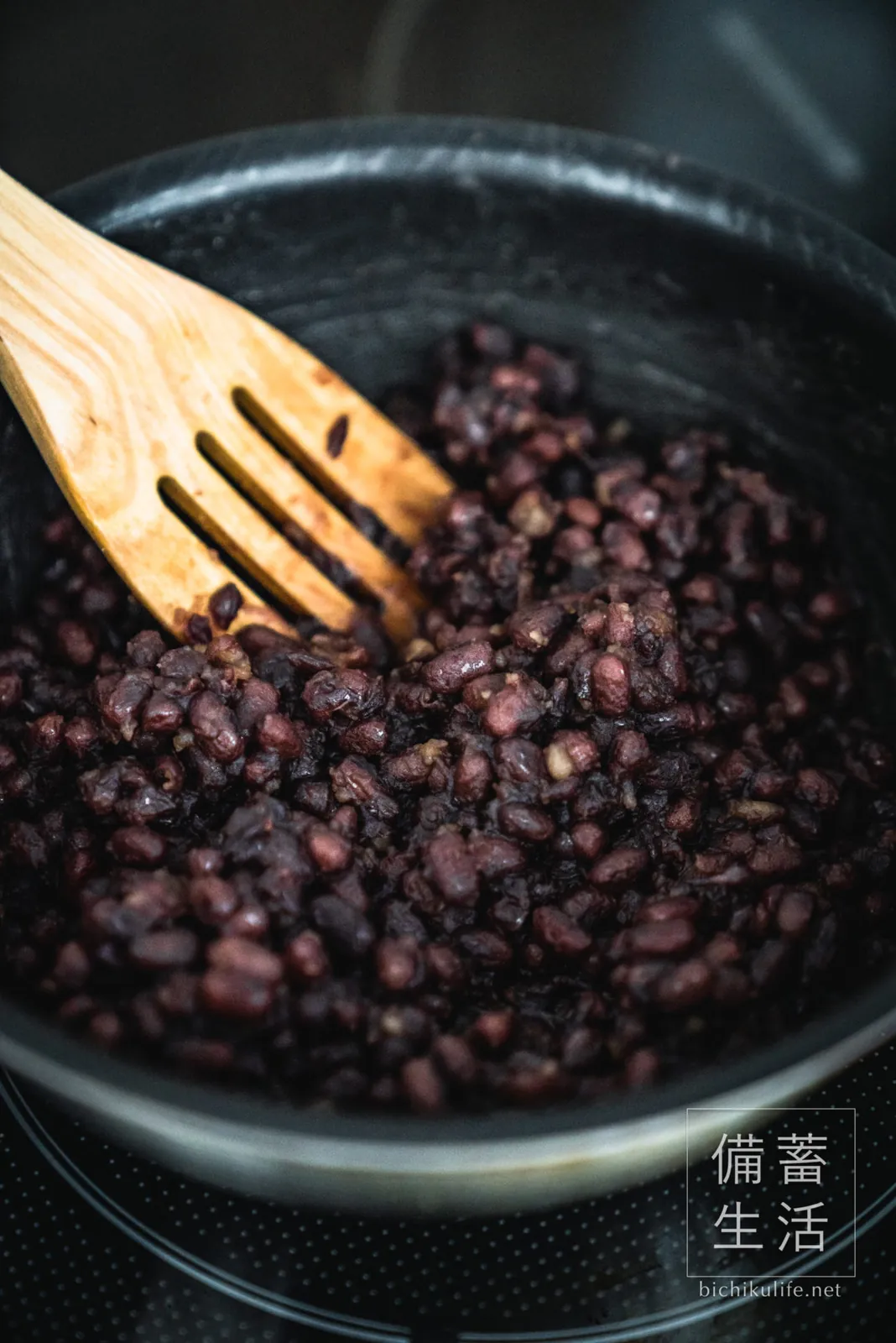
When it’s thick, stir in a pinch of salt and turn off the heat.
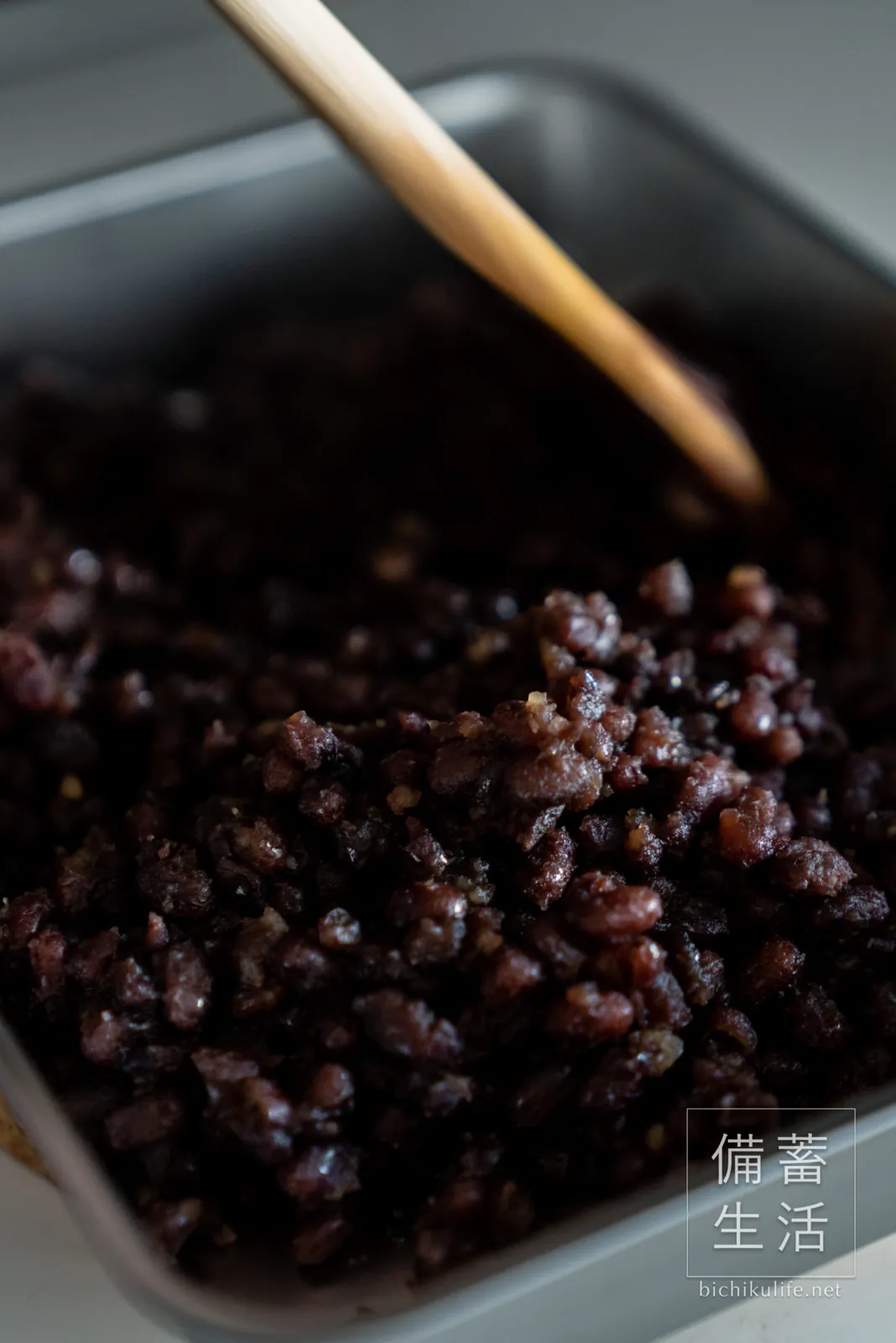
Spread it on a tray to cool. We made about 520 g (18 oz) of paste, more than we needed, so we froze the rest.
Cook the rice
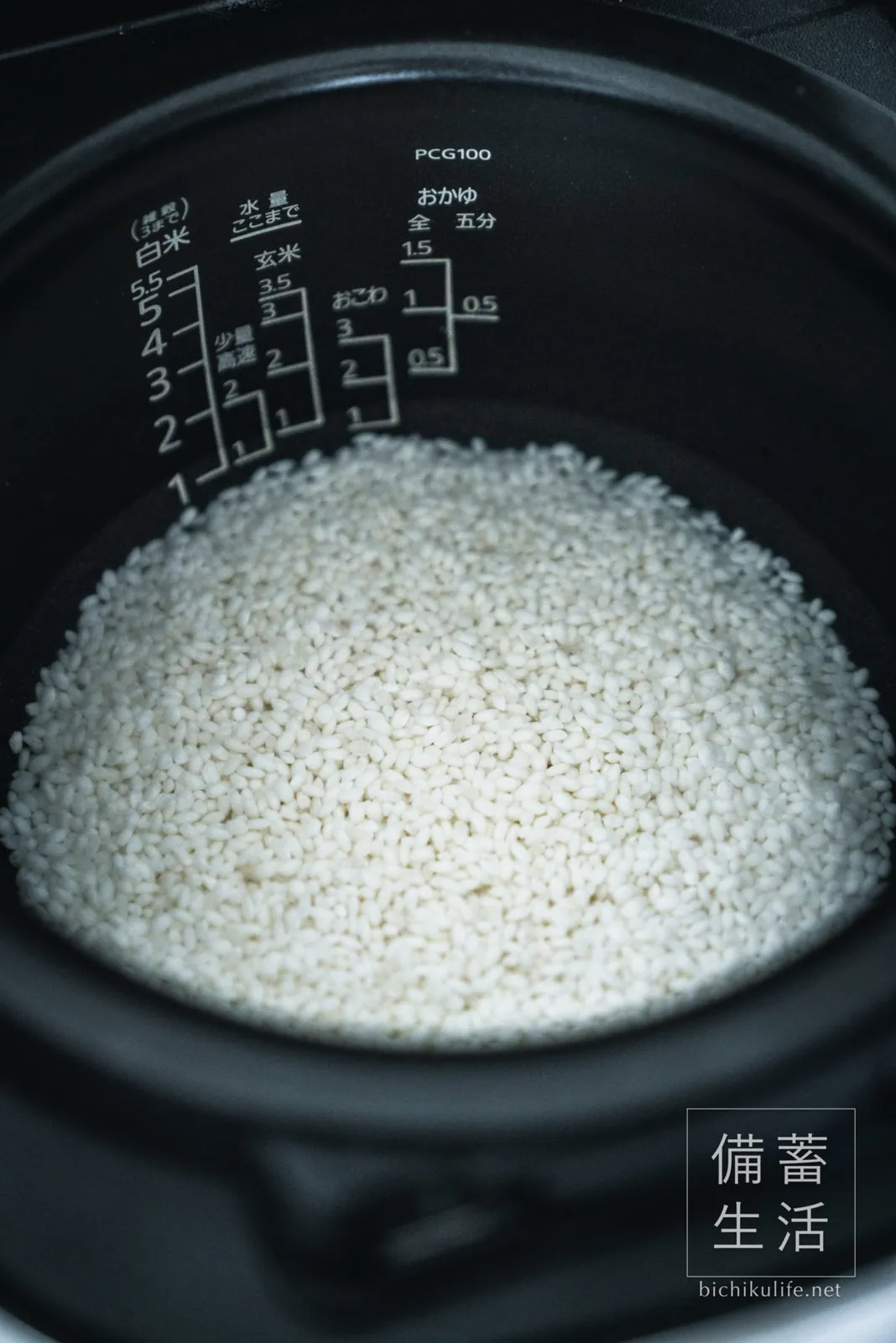
Wash the sticky rice and rice, and soak for about 30 minutes. Cook, then let it steam for about 10 minutes.
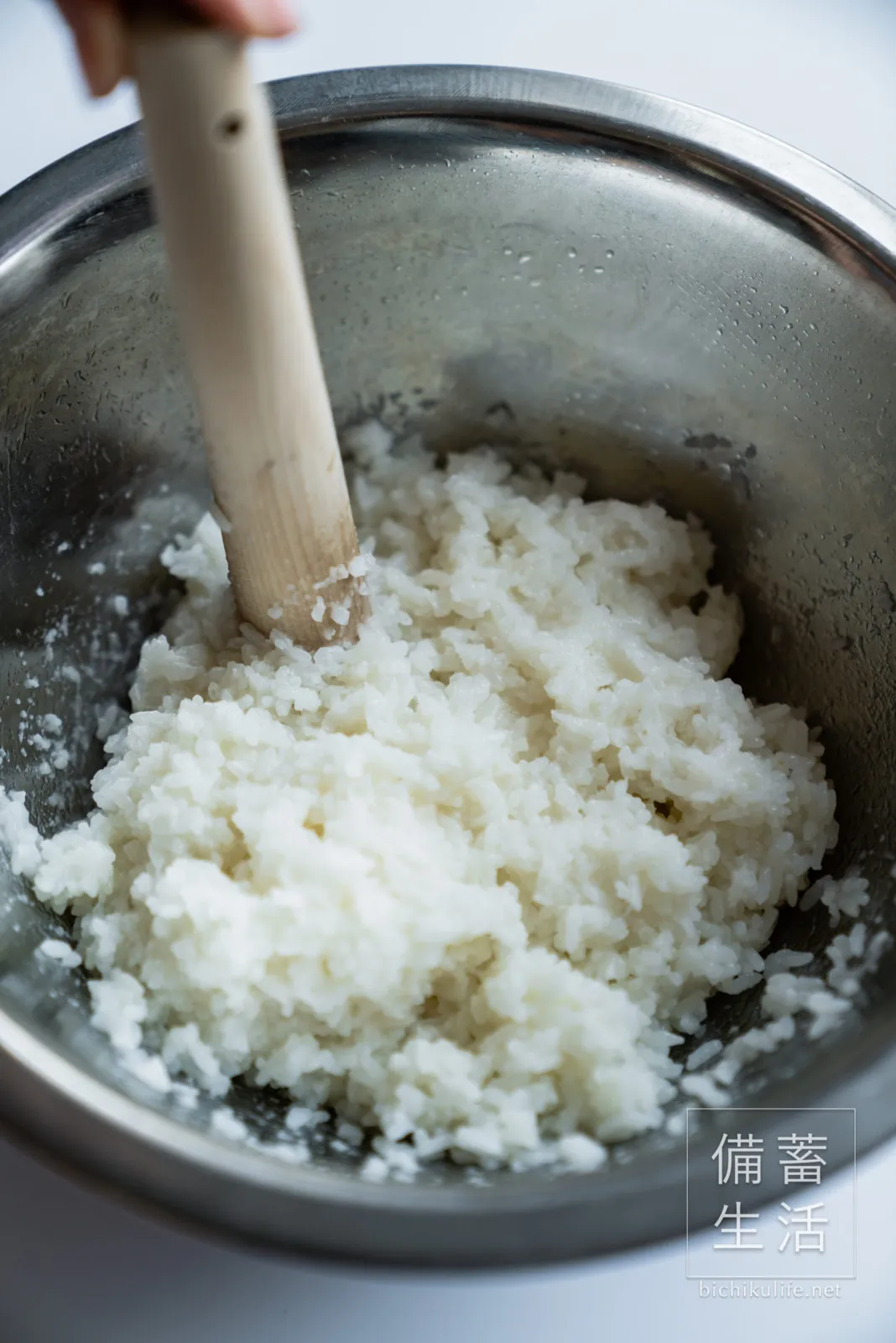
Move it to a bowl and sprinkle lightly with salt. Mash it with a wet rolling pin, leaving some of the grains whole.
Shape the ohagi
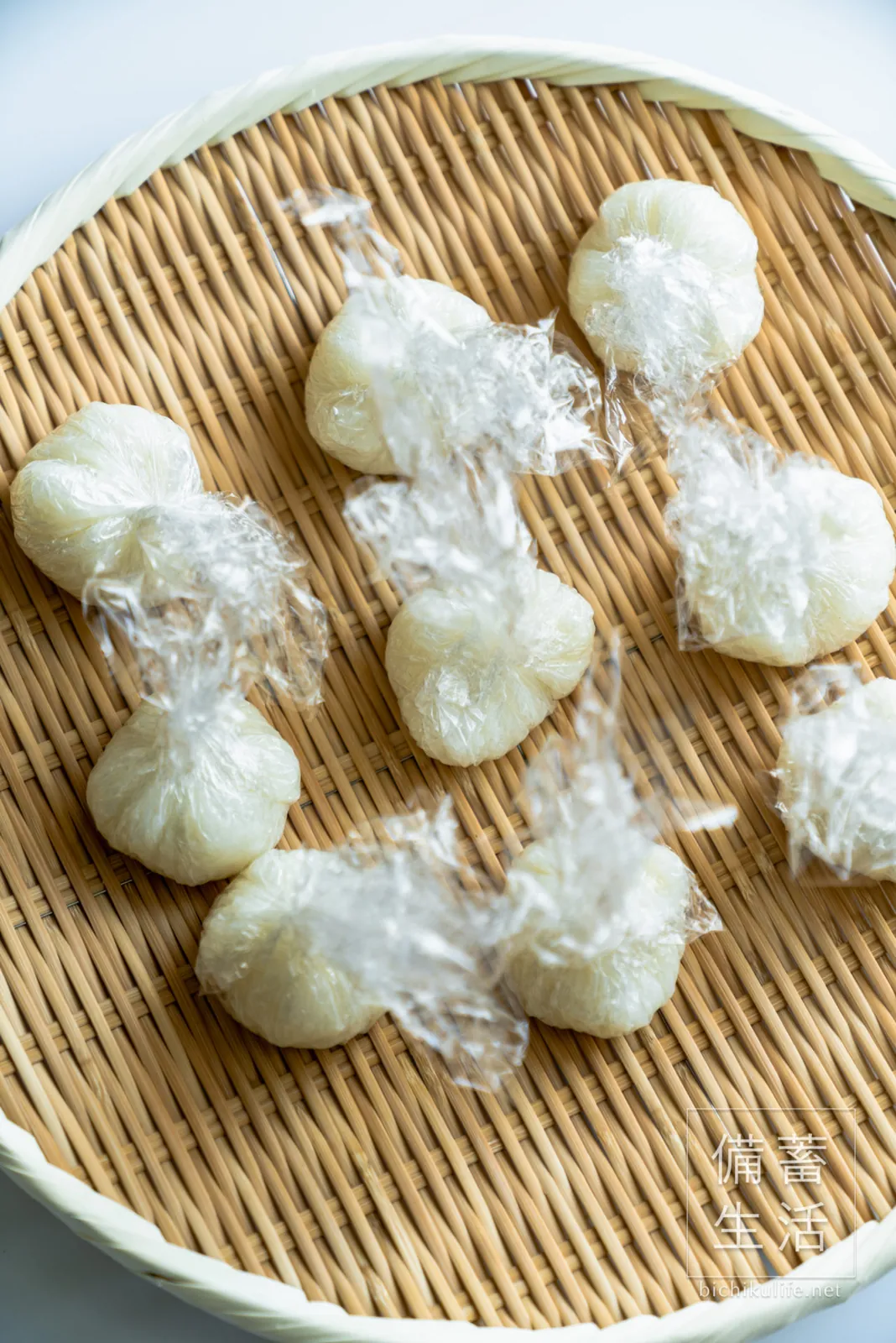
Using plastic wrap, divide the rice into 9 balls.
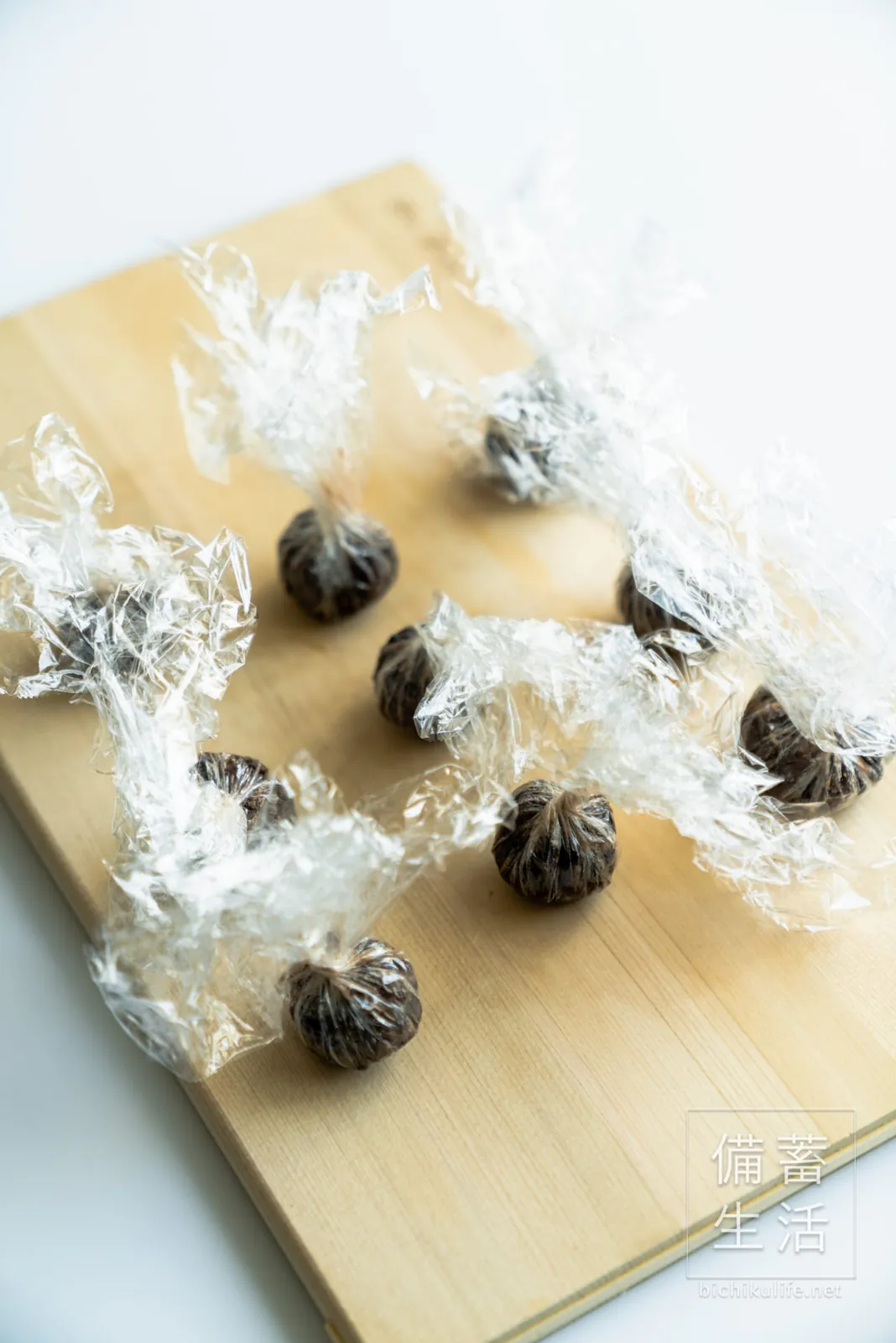
Shape the bean paste into firm balls with plastic wrap too. Use about 40 g (1½ oz) each for the red bean ohagi, and about 30 g (1 oz) each for the kinako and sesame ones.
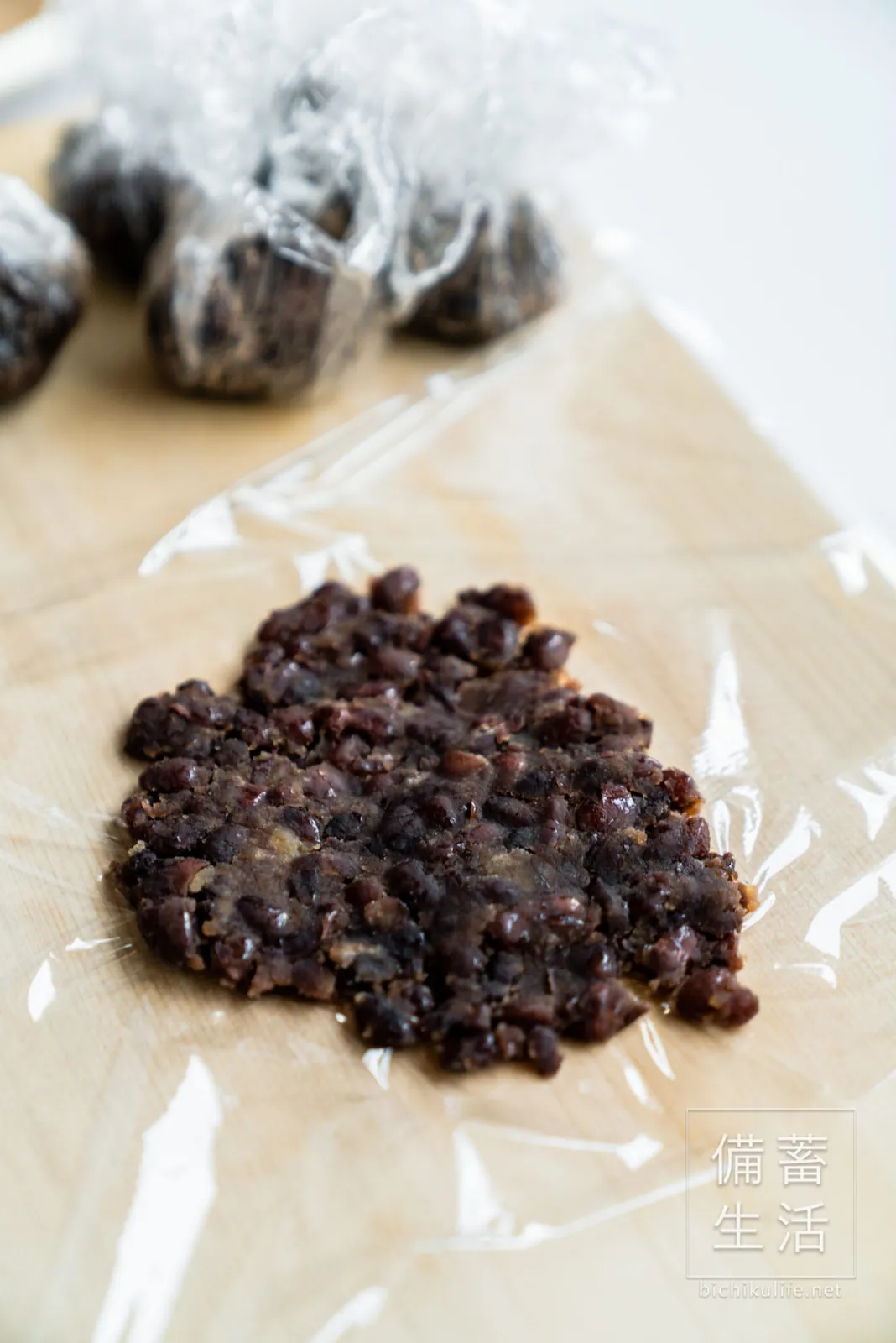
For the red bean ohagi, flatten the paste on plastic wrap and put an oval of rice on top.
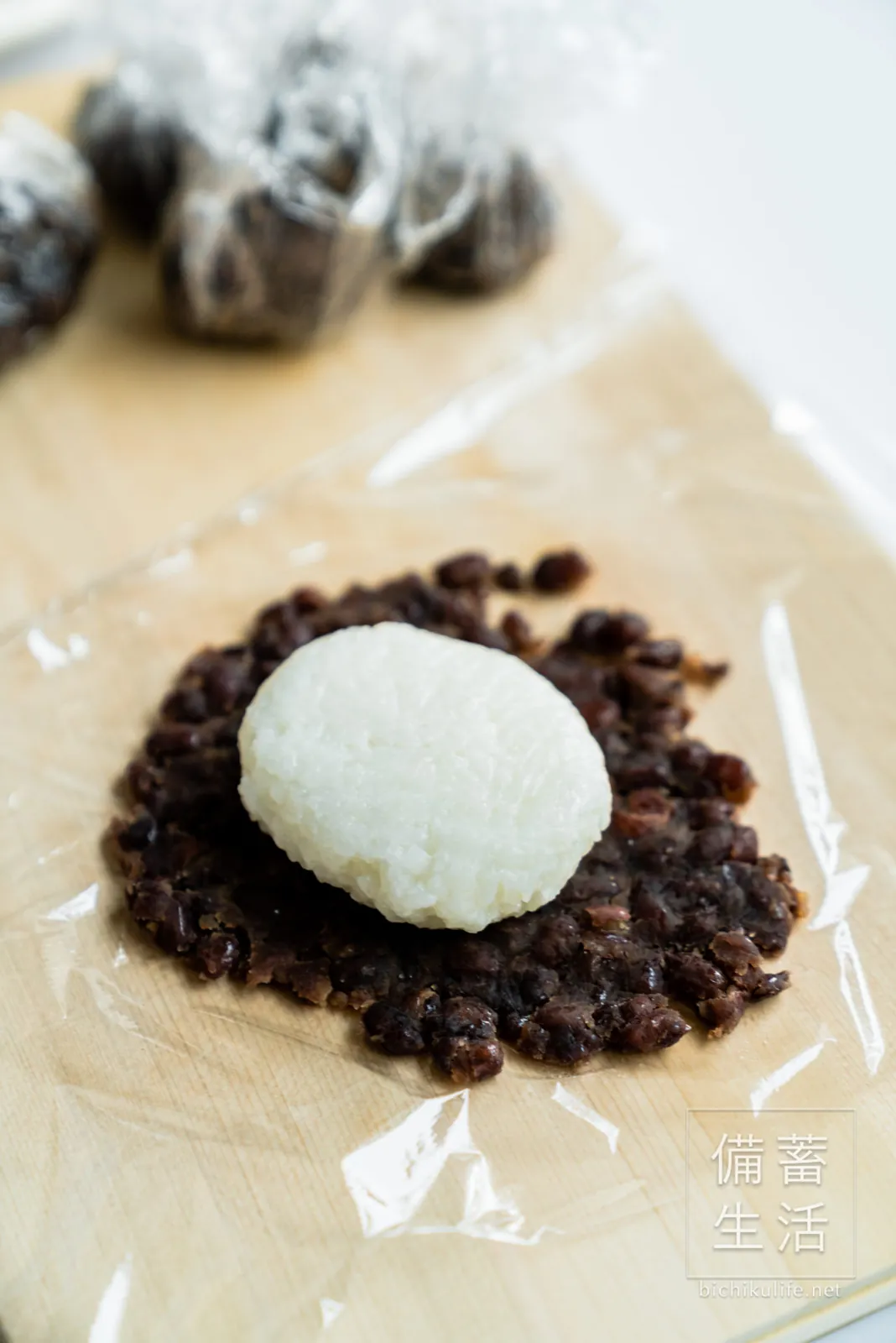
Wrap the paste around the rice and shape it.
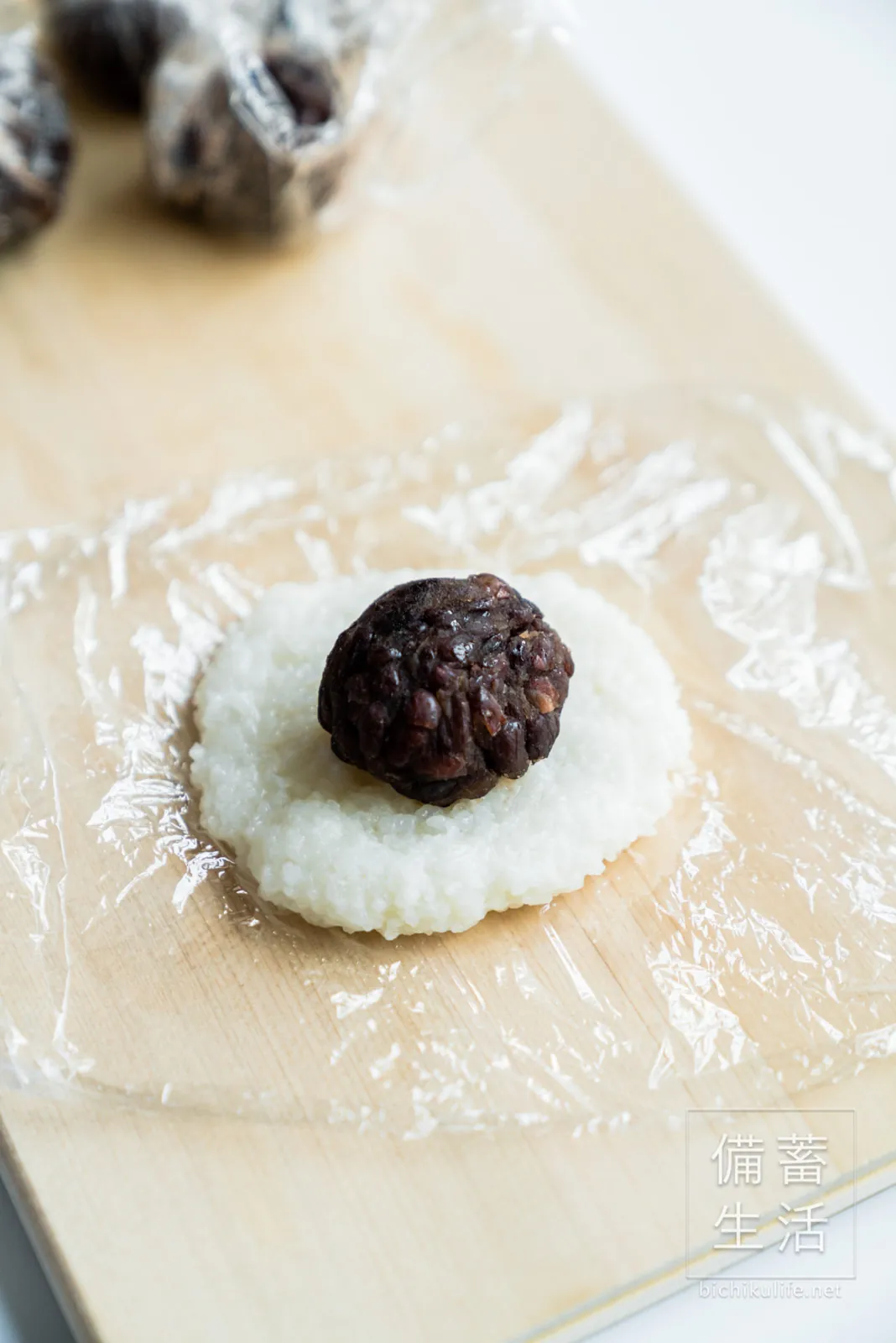
For the kinako and sesame ohagi, it’s the other way around: flatten the rice, put the paste on top, and wrap the rice around it.
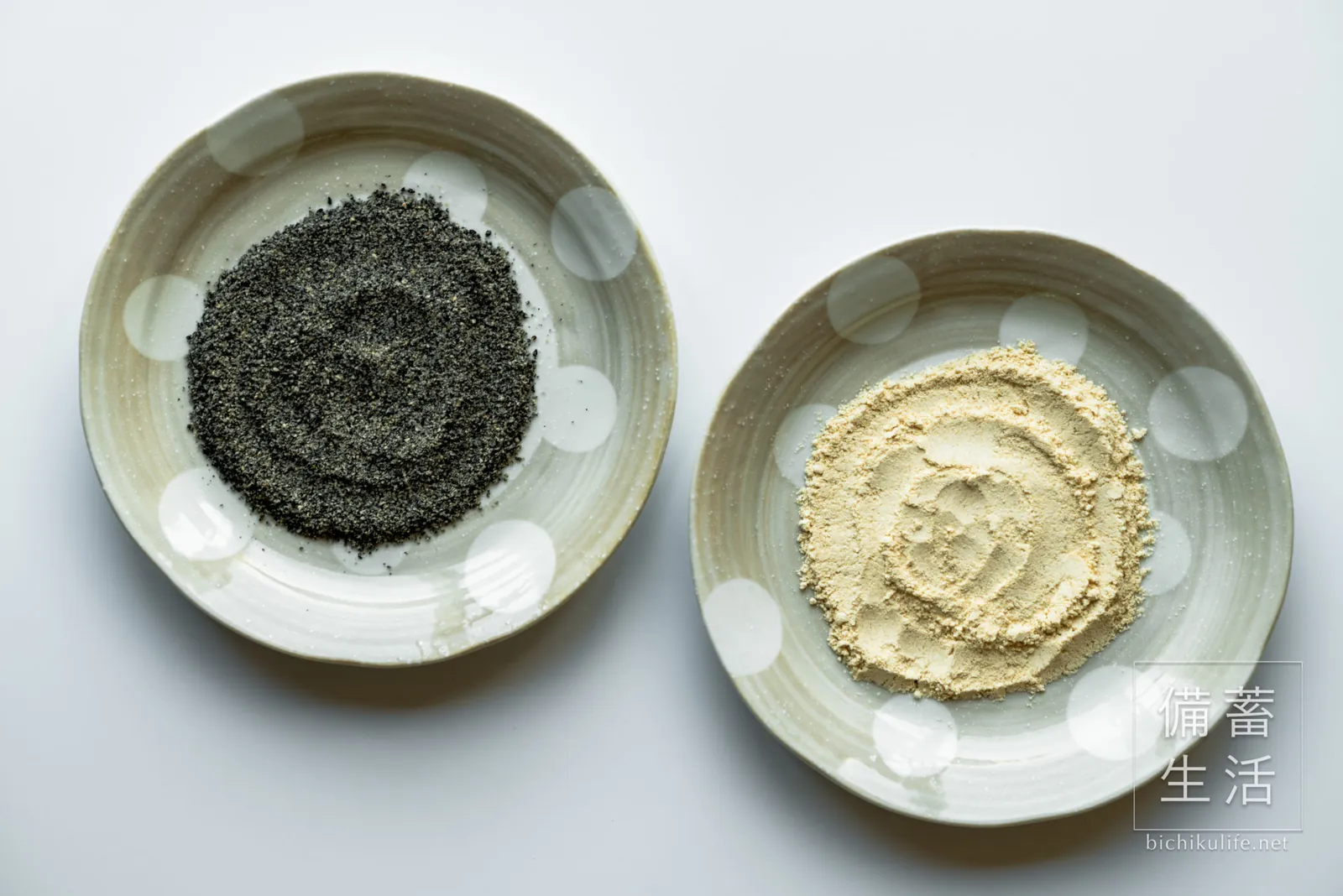
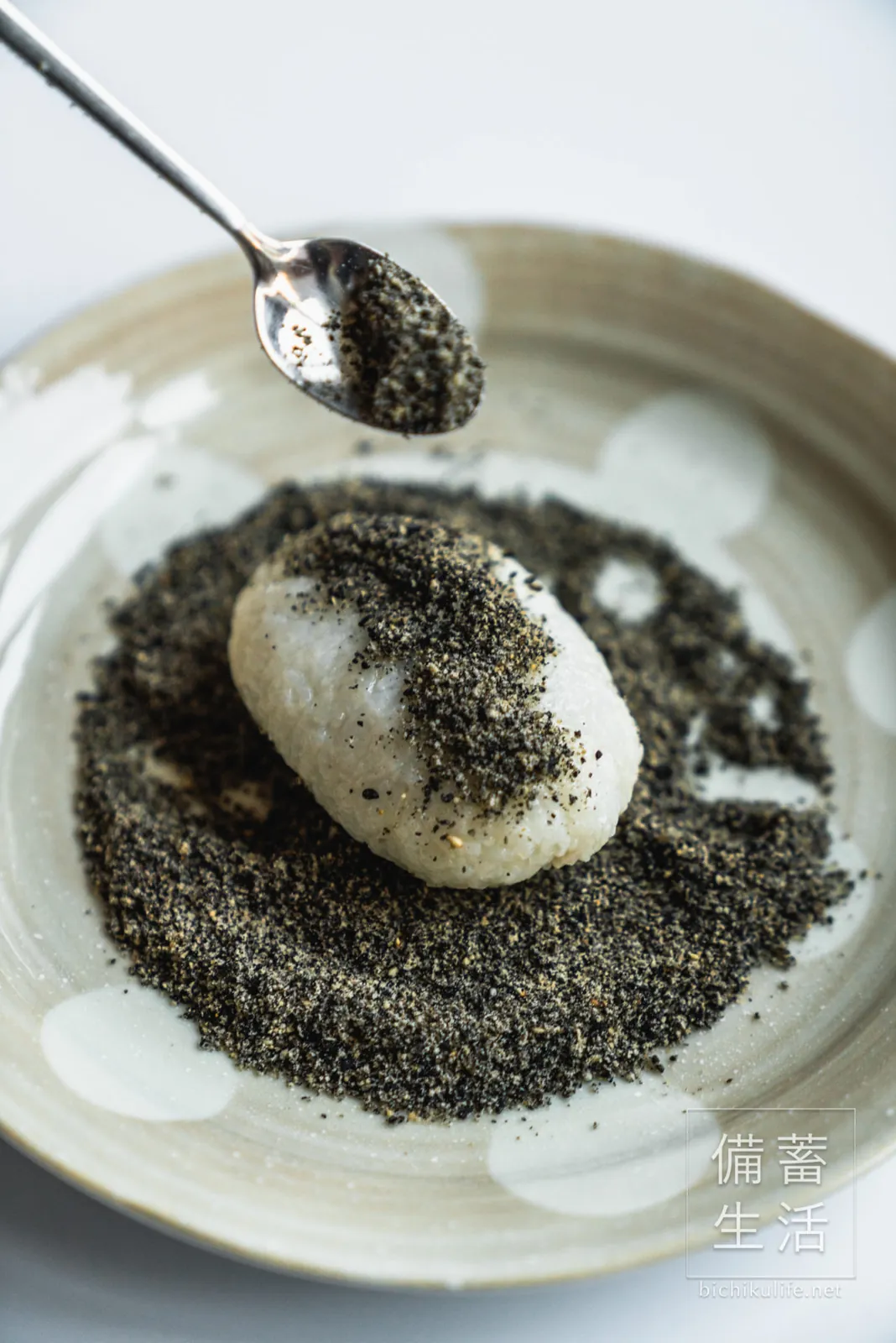
Mix 1 tbsp of sugar each into the kinako and the ground black sesame.
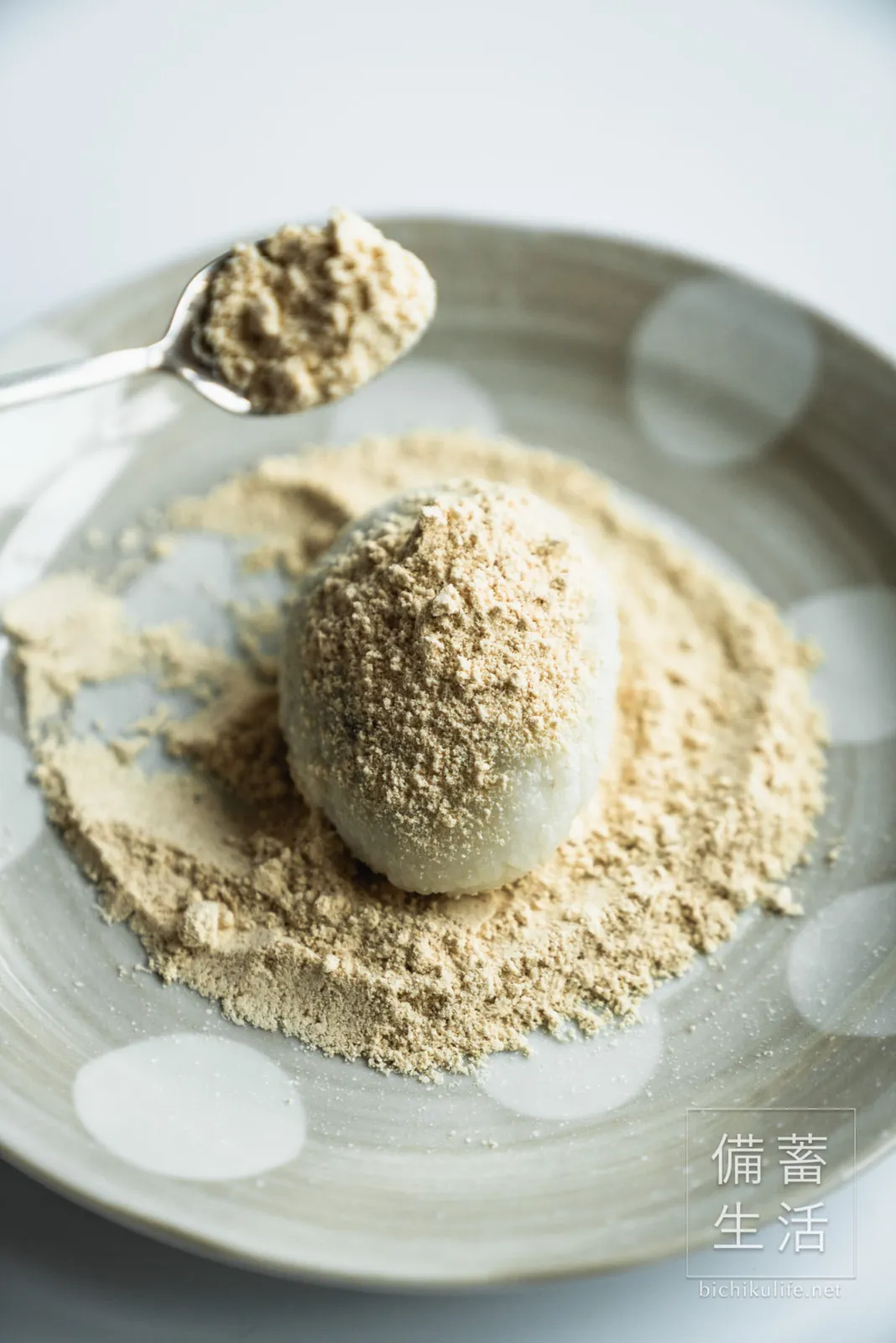
A pinch of salt in the kinako is nice too.
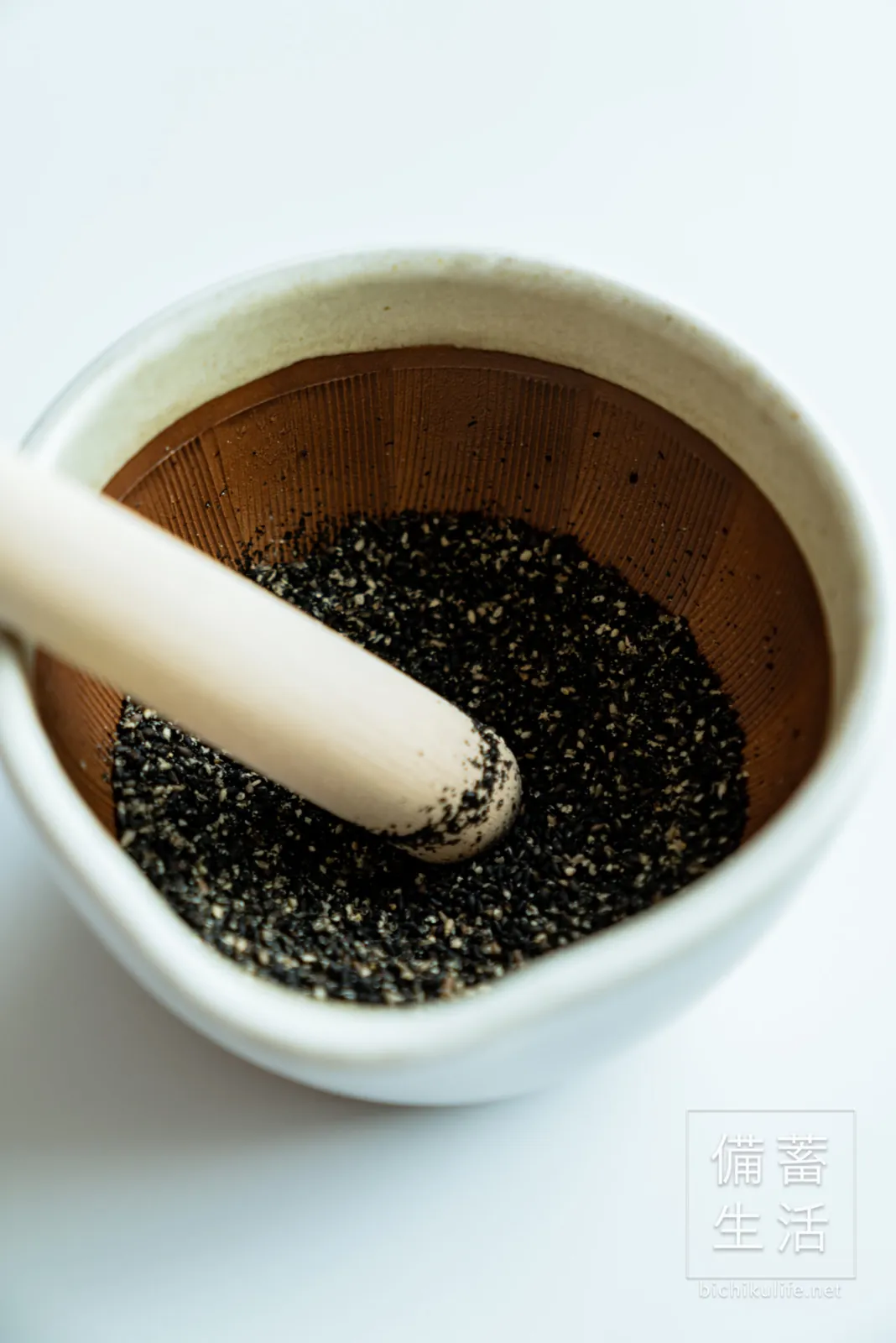
Grind the black sesame in a mortar or mill. Freshly ground sesame is especially fragrant.
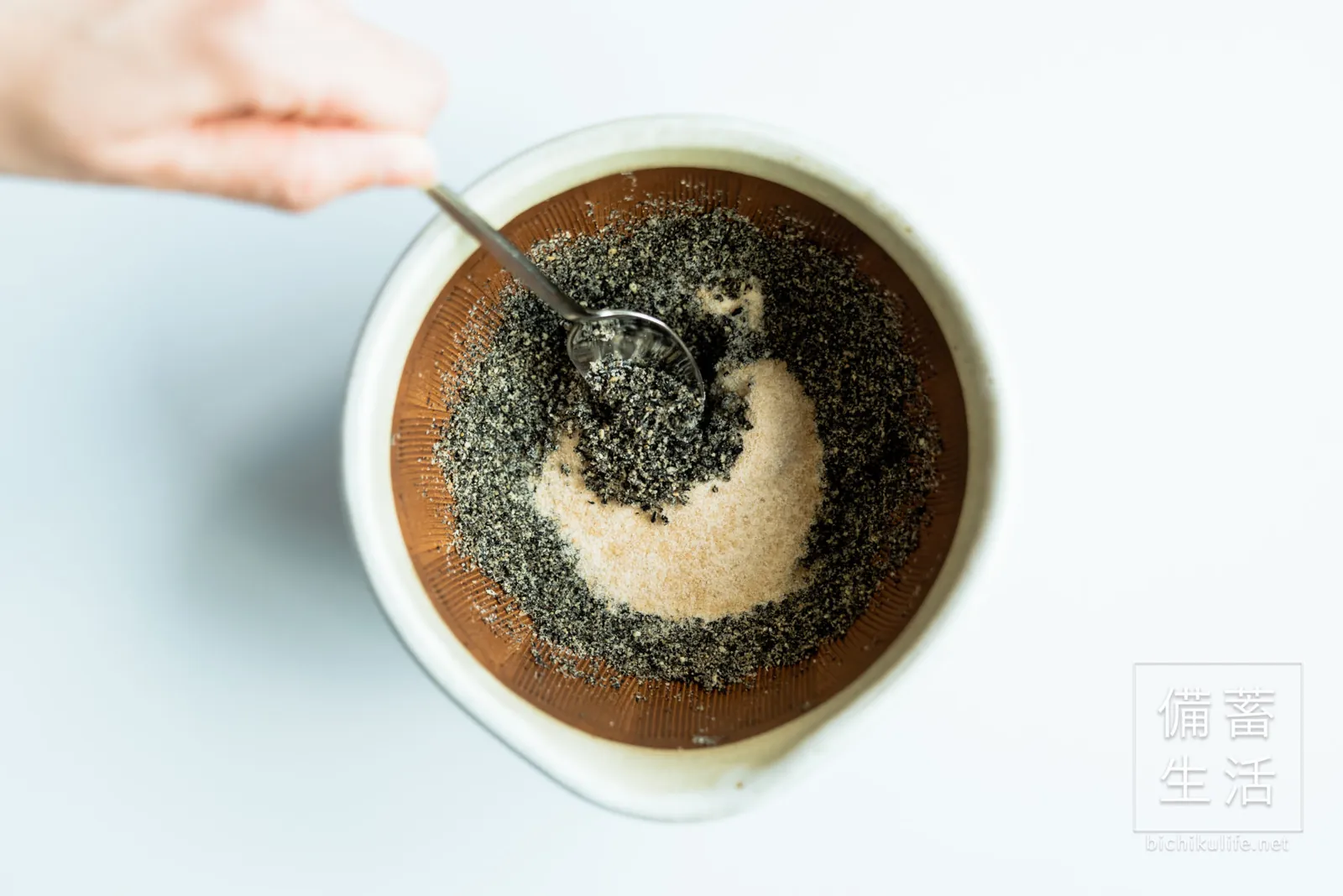
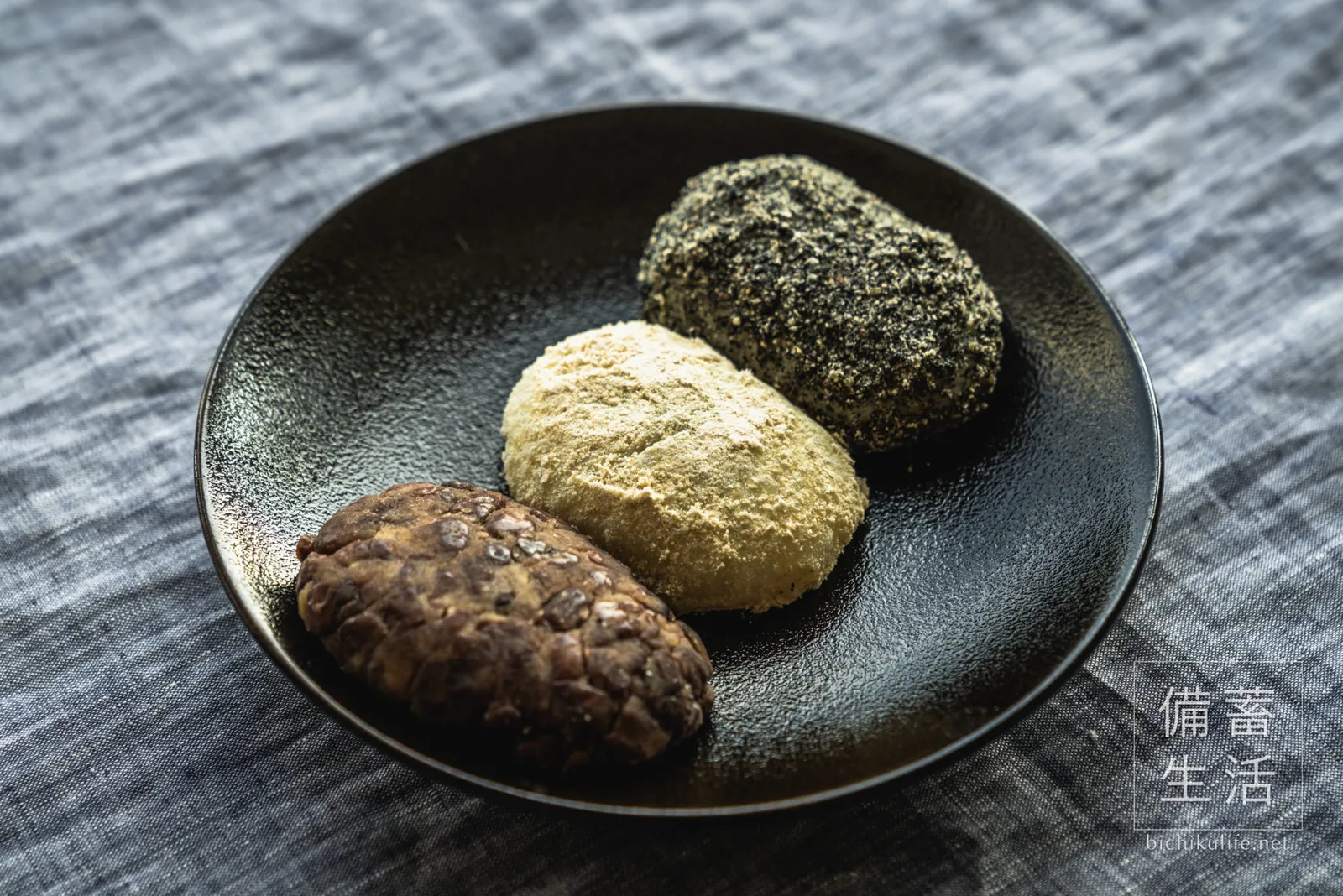
Arrange on a plate, and they’re done.