Chestnuts
Kuri ShigotoChestnut Rice, Candied Chestnuts and Chestnuts Simmered in Their Skins
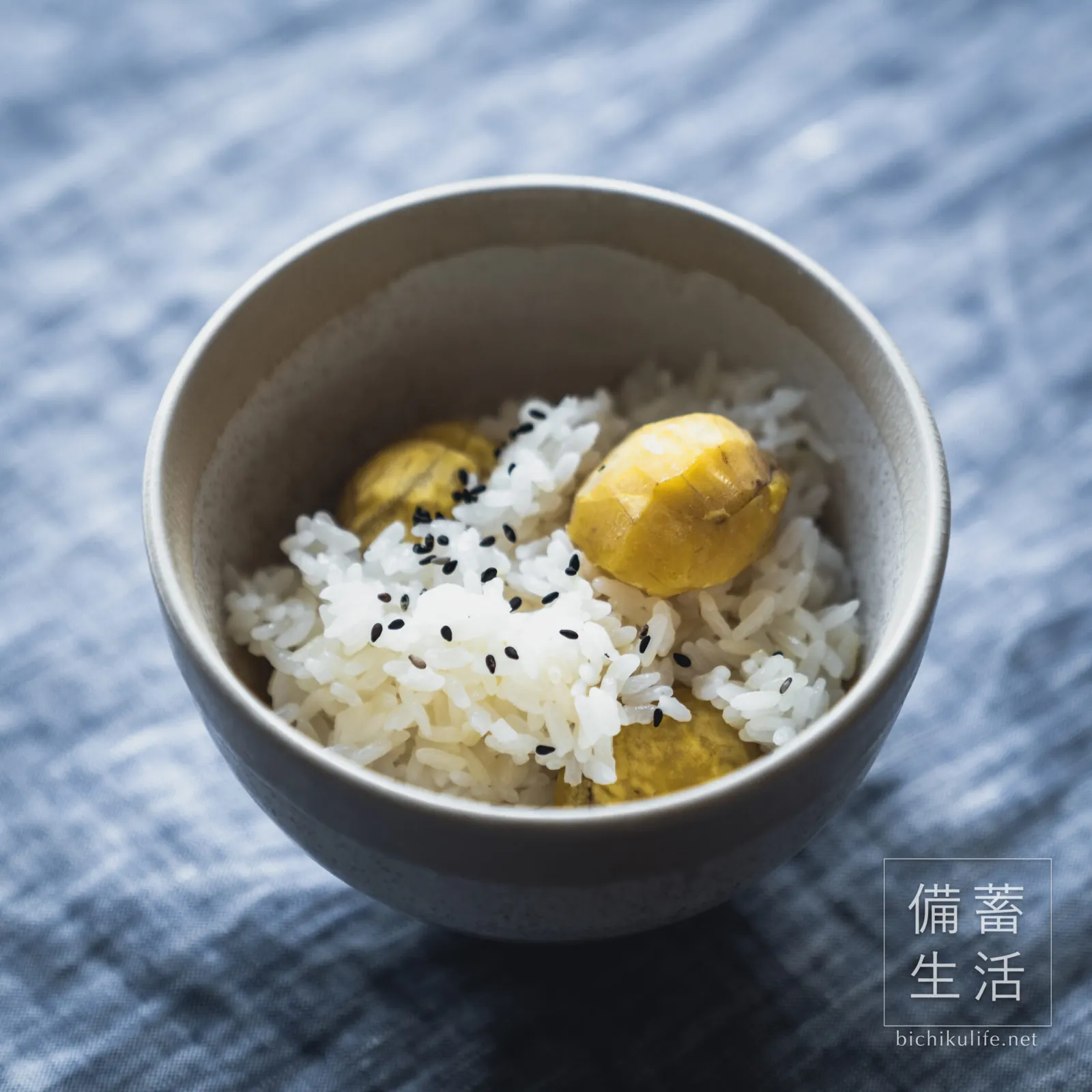
Chestnuts are a taste of autumn in Japan. Peeling them takes some effort, but once you’ve got the hang of it, you can make all kinds of chestnut dishes and preserves, from chestnut rice to kanroni and shibukawani. In Japan this seasonal work is called kuri shigoto, “chestnut work”.
We used Japanese chestnuts, which are larger than European chestnuts and have an astringent inner skin. Other chestnuts work too, but peeling and cooking times may differ.
| Dish | Key points | Storage |
|---|---|---|
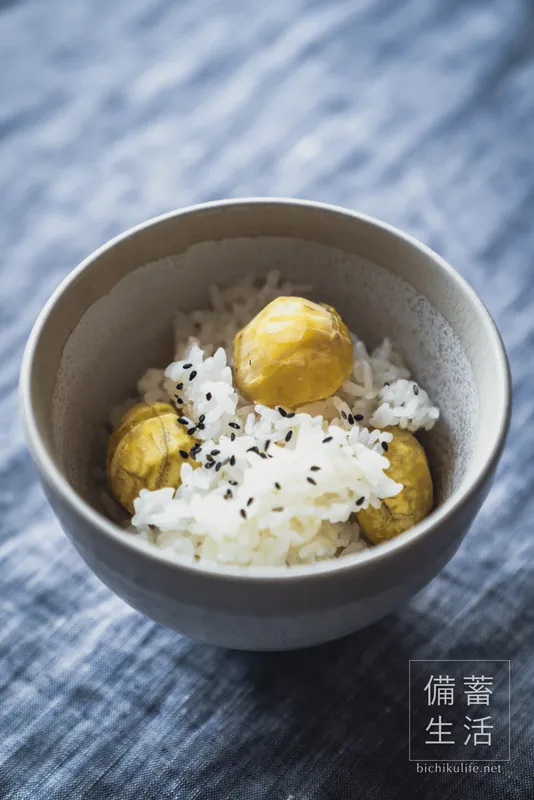
| Chestnut rice | Remove the hard shell and inner skin, and cook with just salt | Eat the same day |
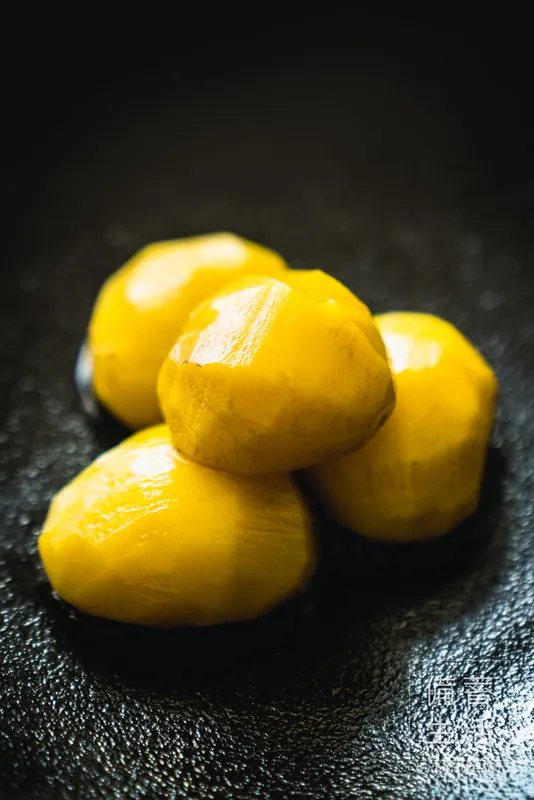
| Kanroni (candied chestnuts) | Remove the shell and inner skin, boil with gardenia fruit, and simmer in syrup | About 3 weeks in the fridge |
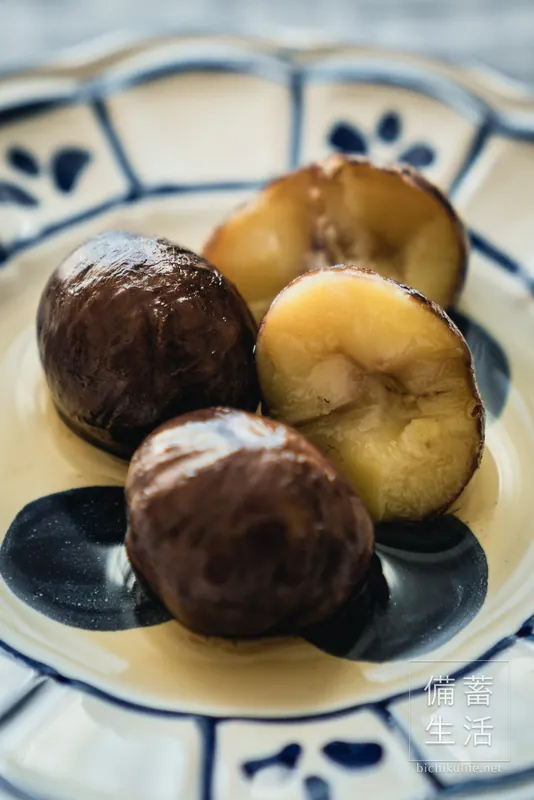
| Shibukawani (chestnuts in their skins) | Remove only the hard shell, take out the bitterness with baking soda, and simmer in the inner skin | Fridge |
For all of them, soaking the chestnuts in water at about 50°C (120°F) for 30 minutes makes them easier to peel.
Chestnut rice
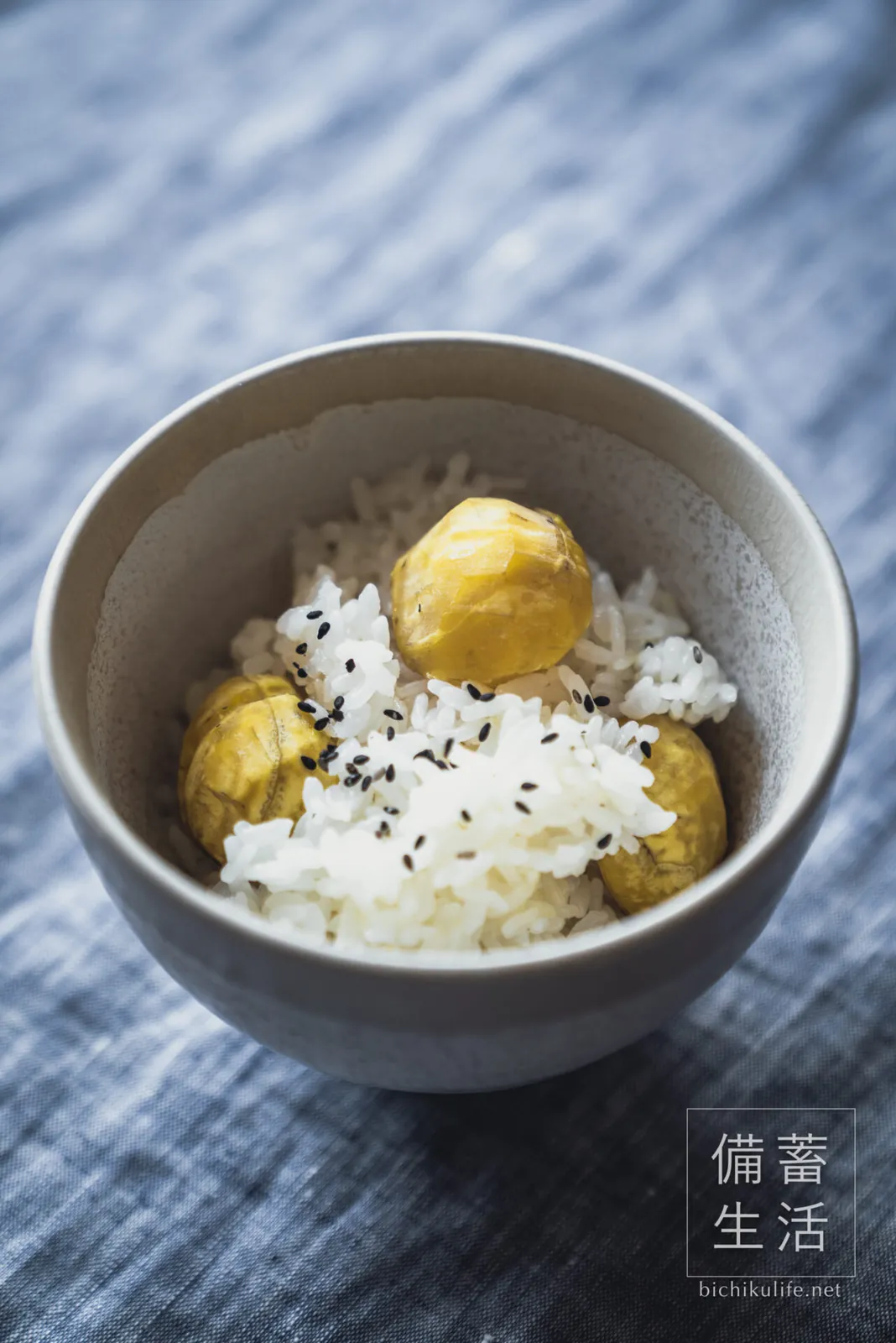
Seasoned with just salt, so you taste the chestnuts themselves. A little sticky rice makes it pleasantly chewy.
Kanroni (chestnuts candied in syrup)
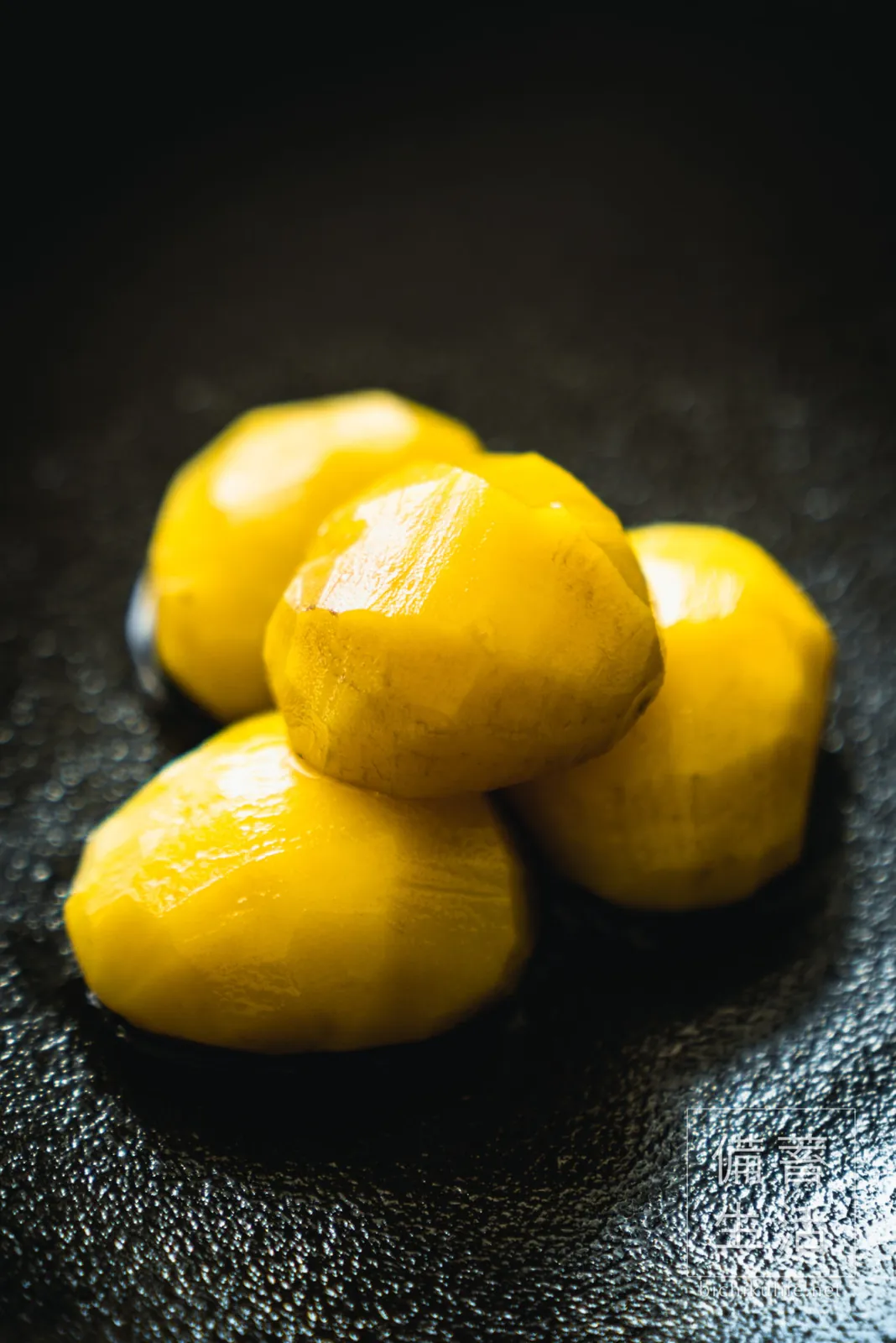
Boiled with gardenia fruit for a beautiful yellow color. Kept in jars, they can be used in kuri kinton, chawanmushi (savory egg custard) and Japanese sweets.
Shibukawani (chestnuts simmered in their inner skins)
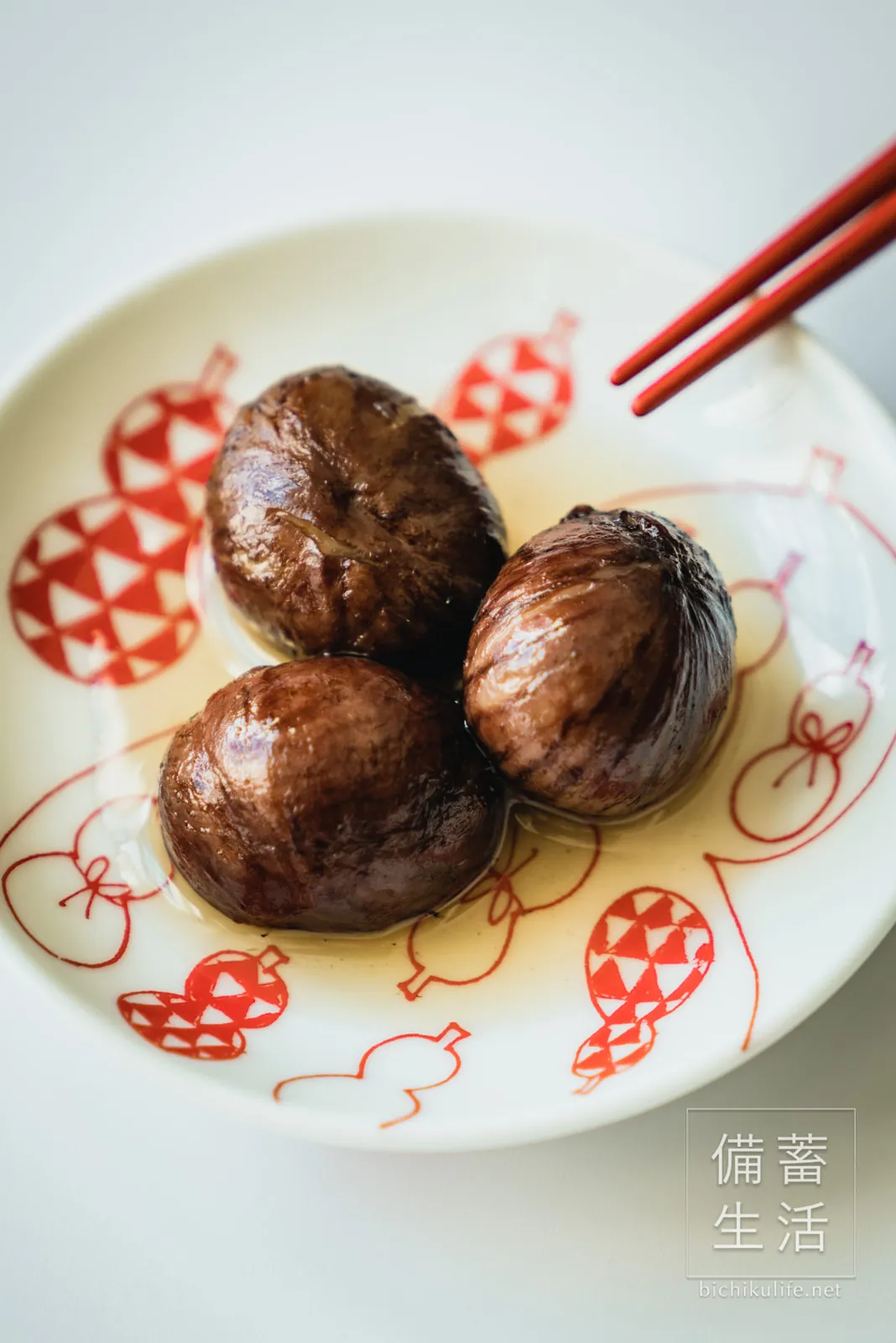
Peel off only the hard outer shell without tearing the inner skin, boil several times to remove the bitterness, then simmer gently in sugar syrup. They take time, so they’re a taste of autumn to savor one by one.
Another autumn treat
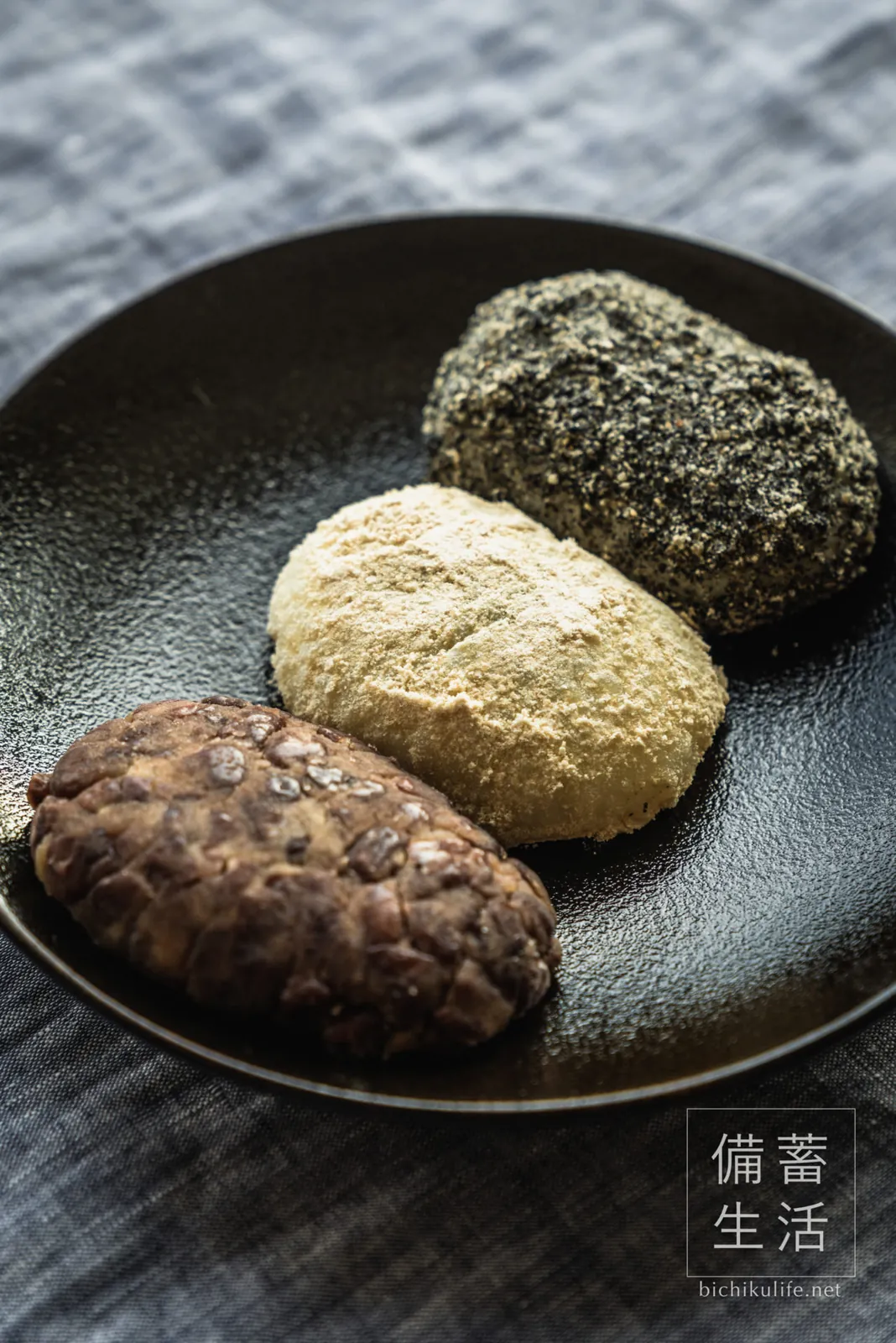
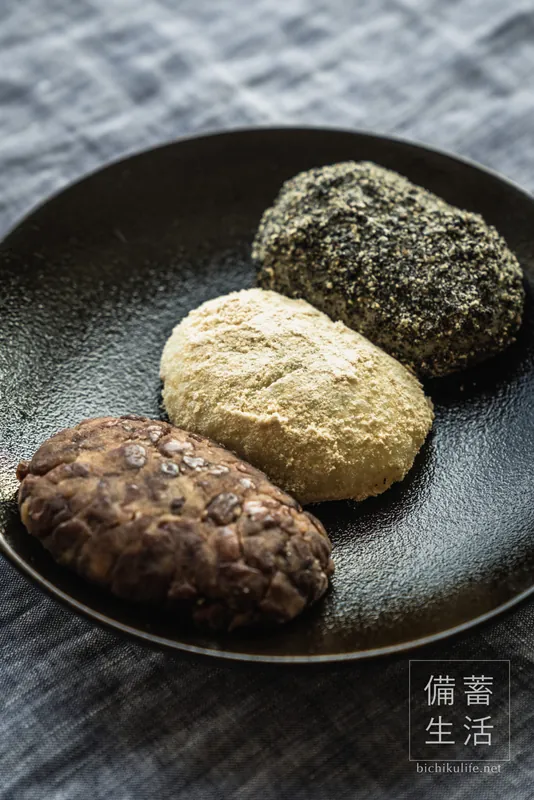
For the autumn equinox, make ohagi with sweet red bean paste cooked from scratch.