Pickles and ferments
How to Make Ikura in Soy SauceStarting from Fresh Sujiko (Salmon Roe Skeins)
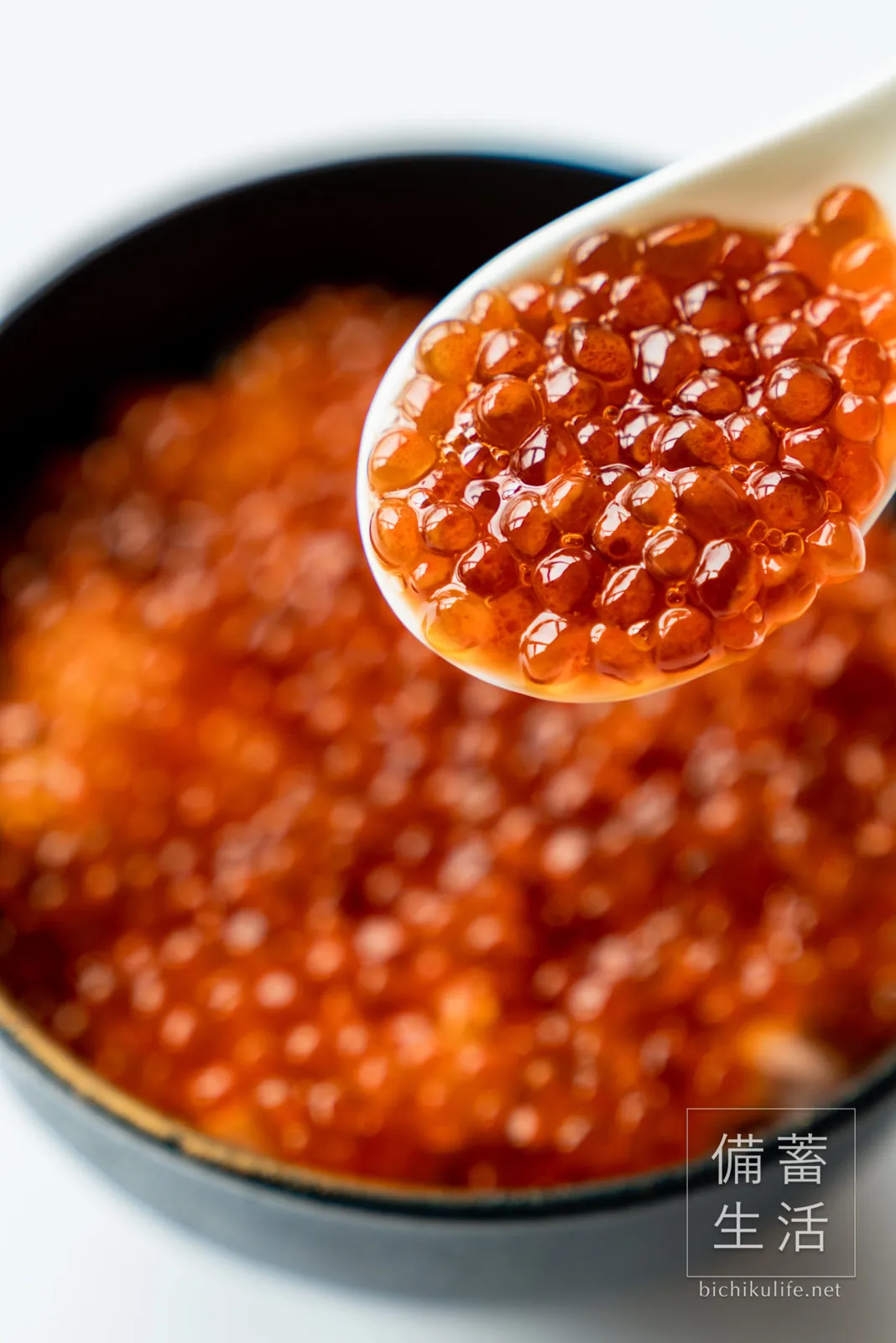
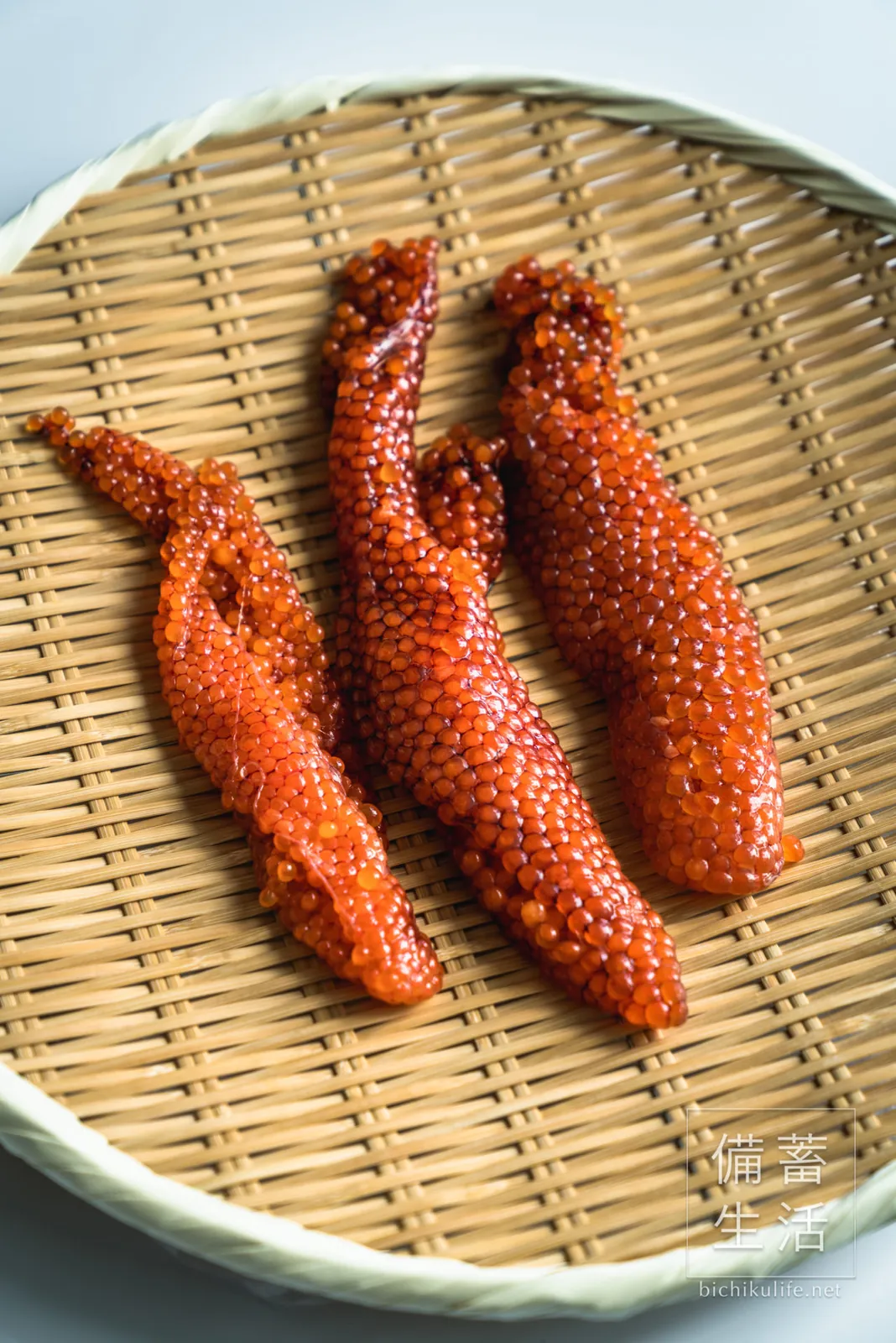
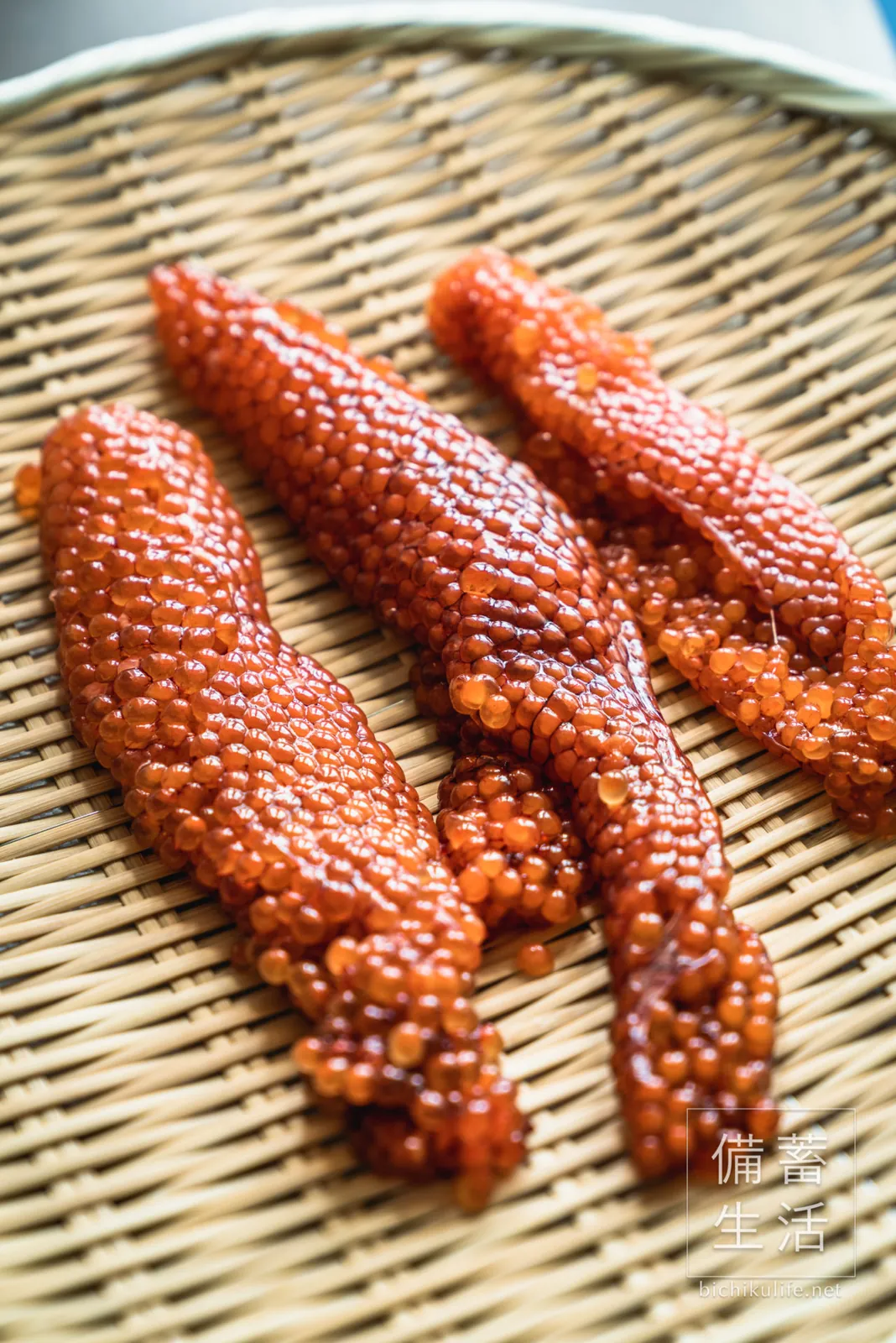
Fresh sujiko, salmon roe still in its membrane, is in season in autumn. If you can get fresh sujiko, try making ikura (separated salmon roe) marinated in soy sauce.
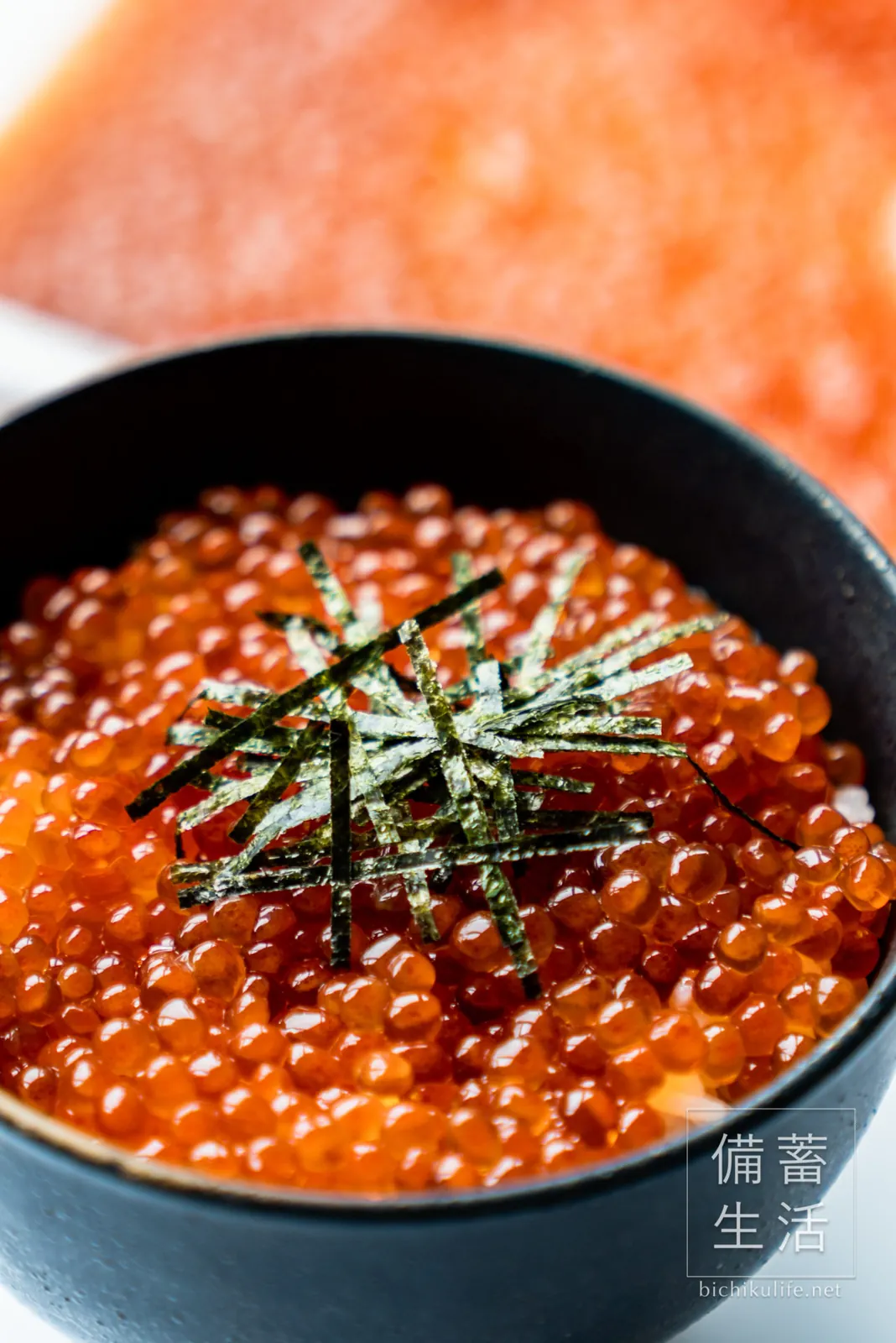
Ikura you’ve made yourself tastes special. Pile it as high as you like on rice for an ikura bowl, or on gunkan sushi.
It only needs to marinate overnight, so you can eat it soon. Once you know the steps, it’s easier than you’d think. Outside Japan, fresh salmon roe skeins are sometimes sold in salmon season at fish markets and Japanese or Russian grocery stores.
| When to make | September–November (fresh sujiko season) |
| Marinating time | 2–3 hours to overnight |
| Storage | 2–3 days in the fridge. Freeze what you can’t eat in small portions |
Ingredients
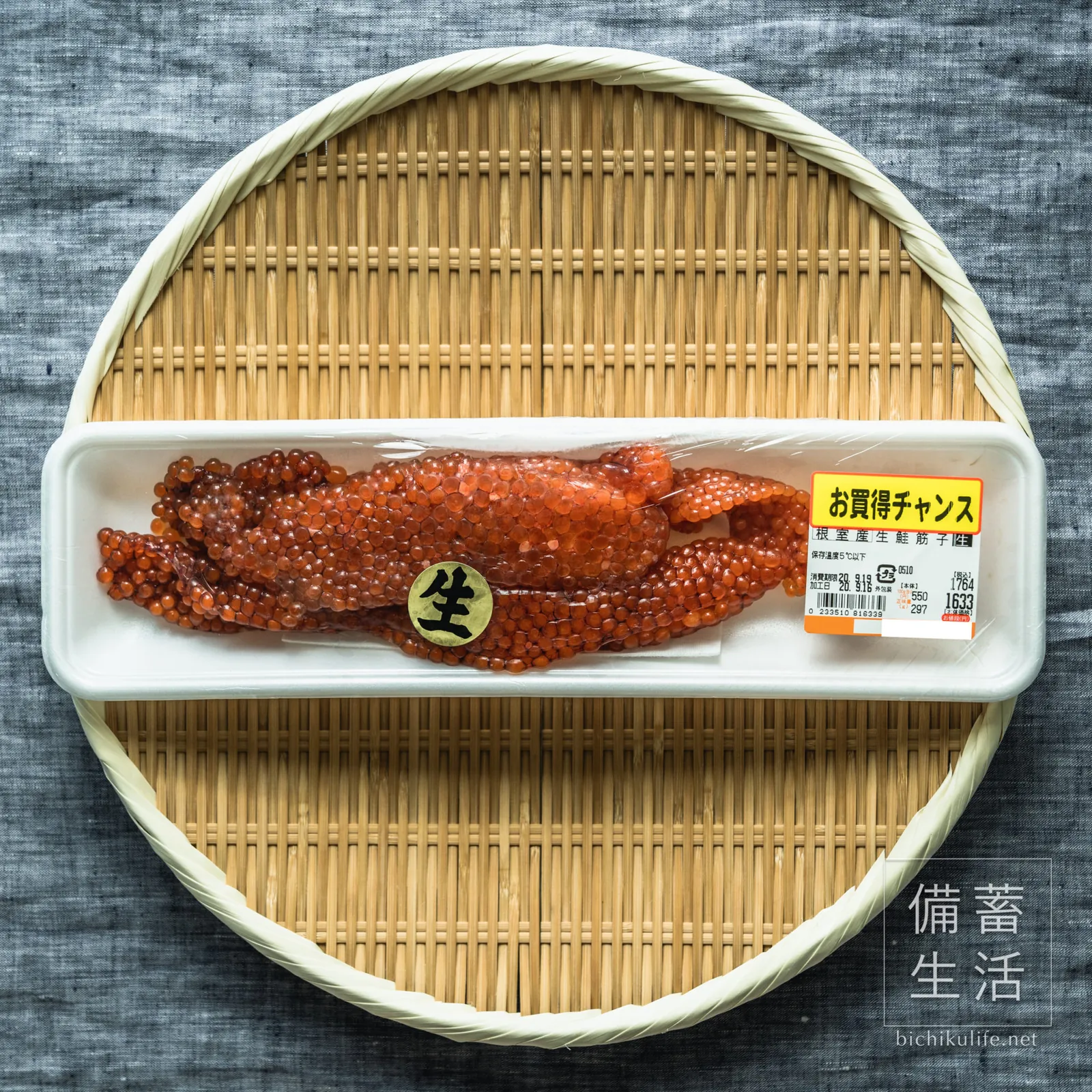
We bought fresh salmon sujiko from Nemuro, Hokkaido. For reference, 297 g cost 1,633 yen before tax.
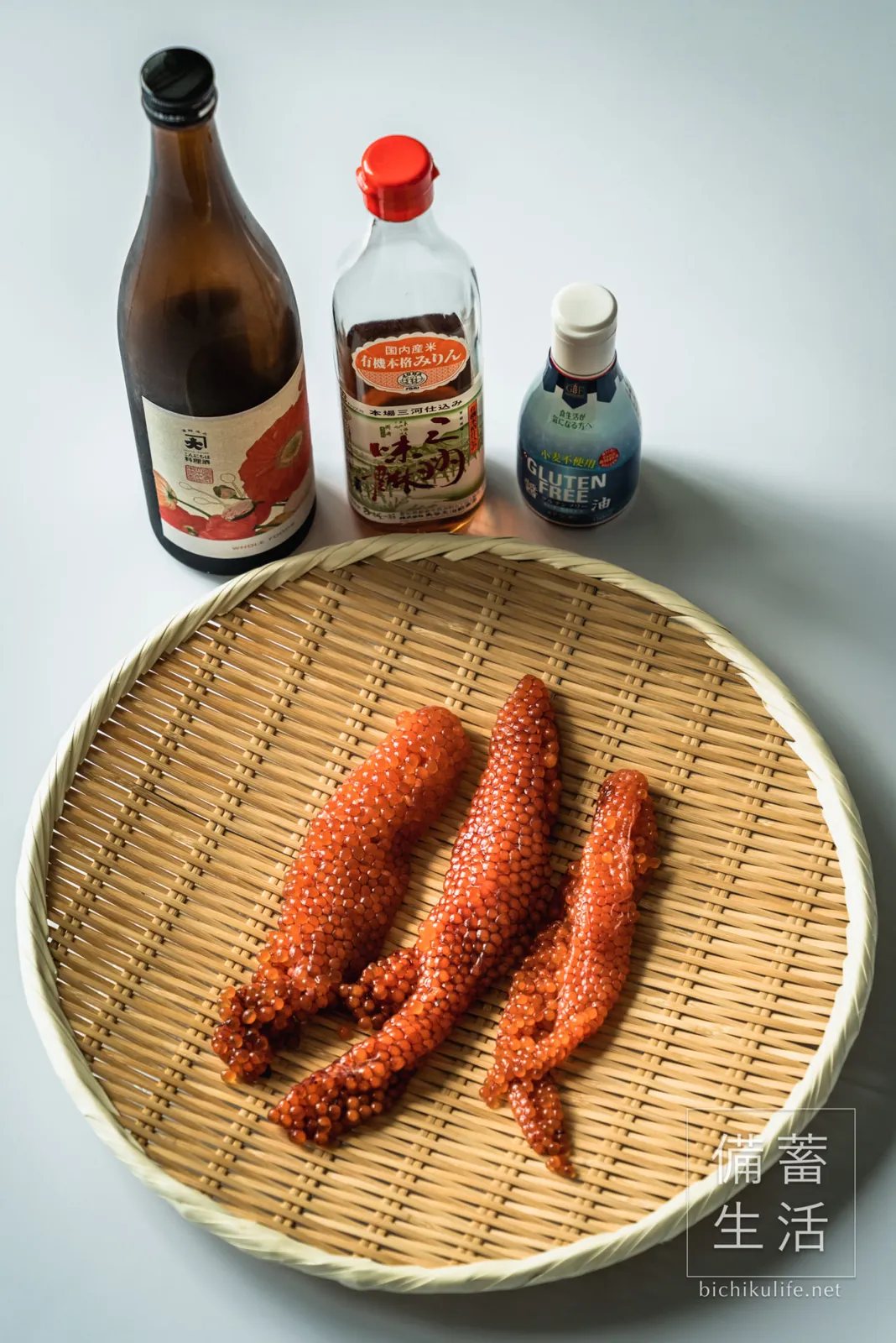
Adjust the amount of marinade to the amount of roe.
- About 300 g (10½ oz) fresh sujiko
- 2 tbsp soy sauce
- 2 tbsp mirin
- 2 tbsp sake (the cooking sake we used has a strong flavor, so we used 1 tbsp)
- A pinch of salt
- A storage container
A caution about parasites
Salmon roe can occasionally carry Anisakis, a parasite that can cause severe stomach pain. The warm water used to separate the eggs does not kill Anisakis. Freezing or cooking does: Japan’s Ministry of Health says freezing at -20°C (-4°F) for 24 hours or more, while the US FDA recommends -20°C (-4°F) or below for 7 days for fish eaten raw. Home freezers may not get cold enough, so if you’re concerned, freeze the finished ikura for a week before eating, or buy roe sold for raw consumption.
How to make it
Make the marinade
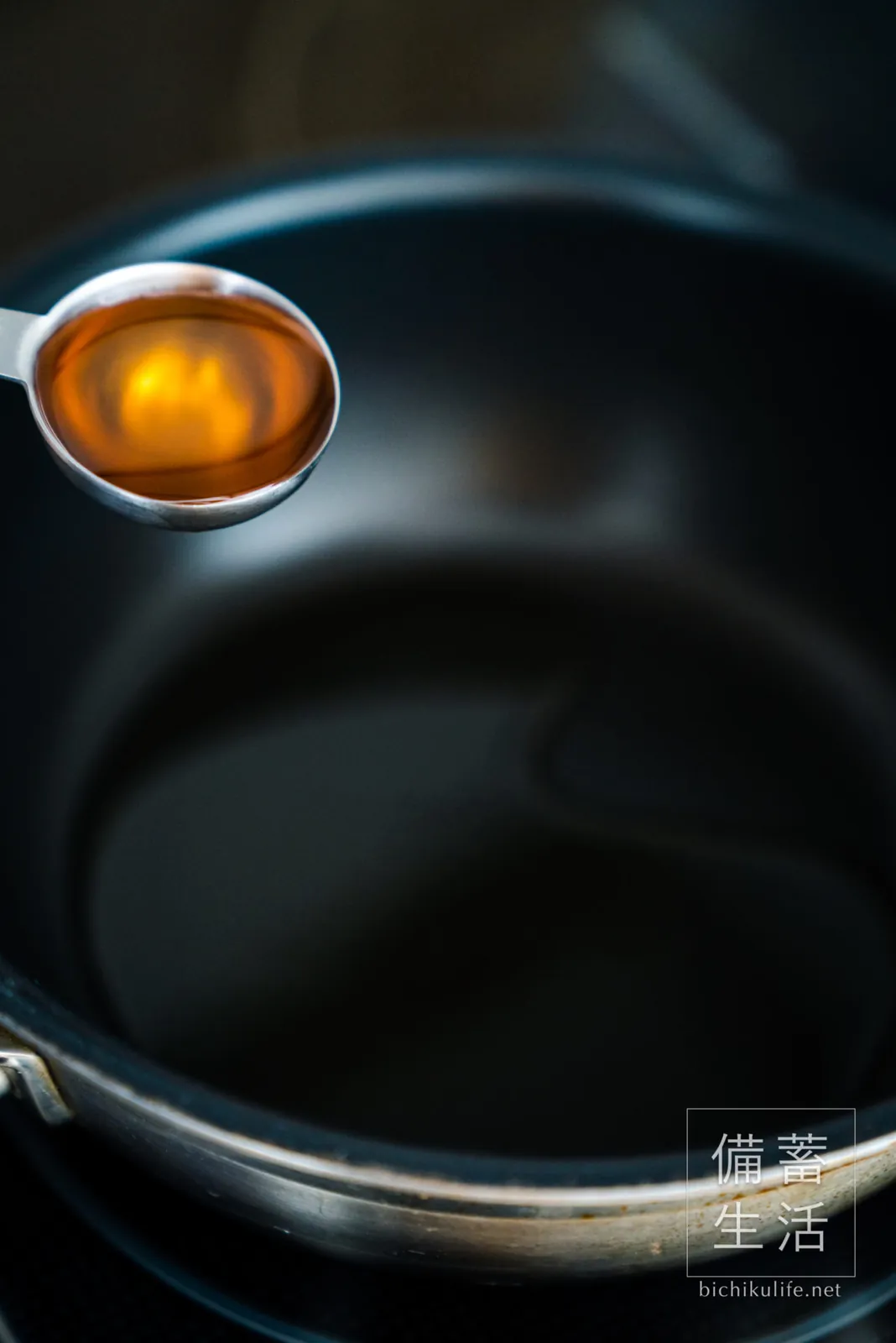
Make the marinade first.
Put the sake and mirin in a pot and bring to a boil to cook off the alcohol. Add the soy sauce and heat over low heat for about 3 minutes.
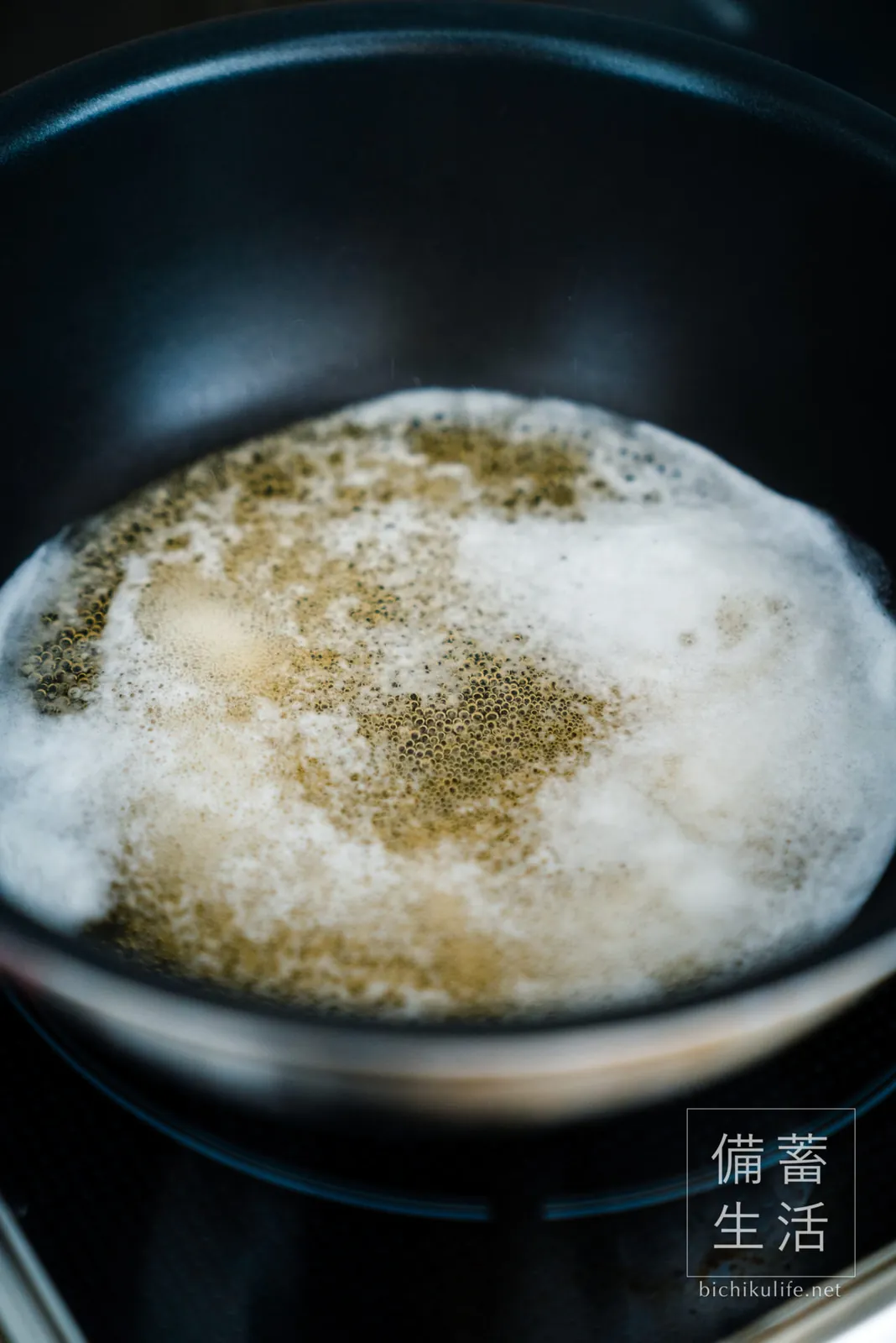
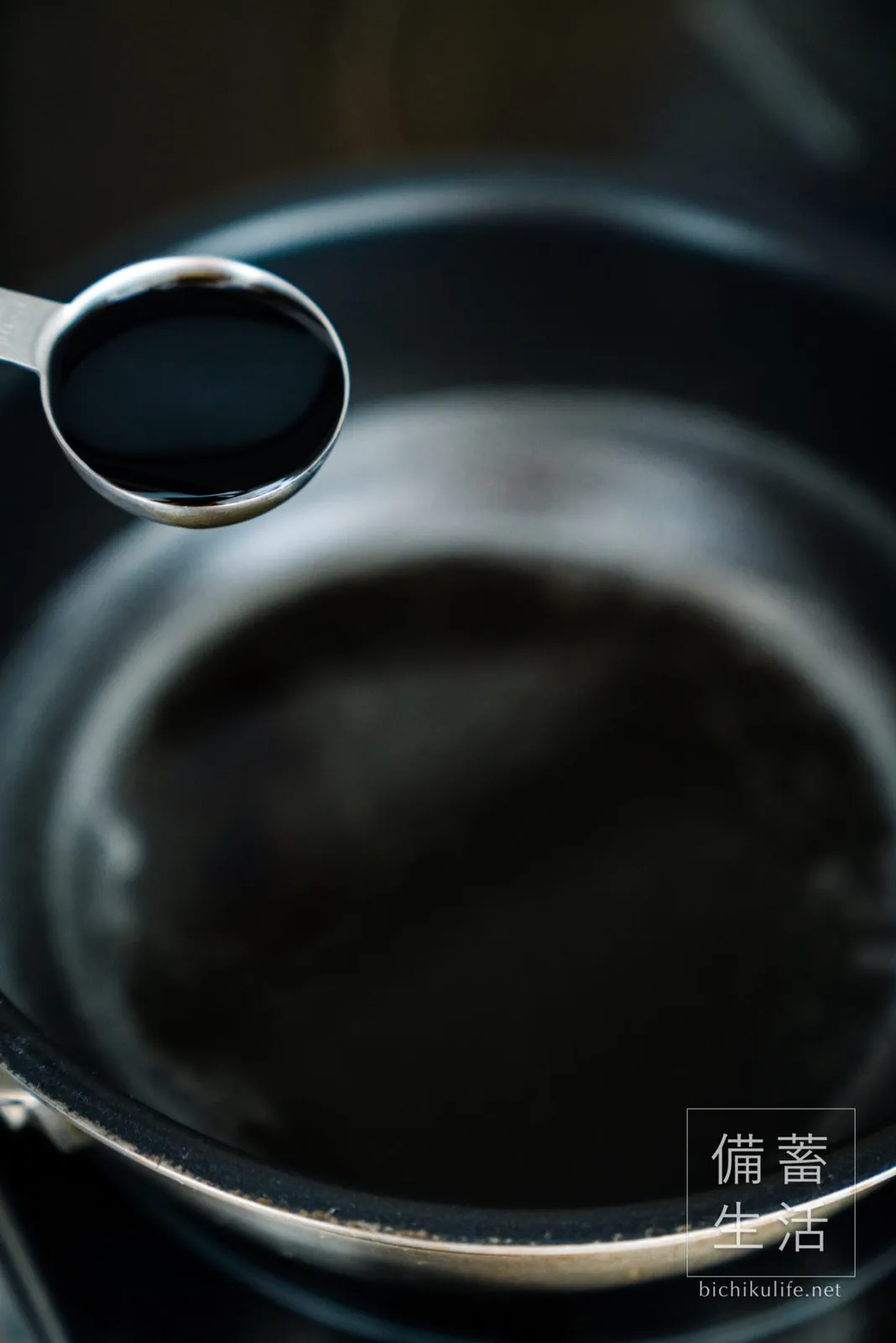
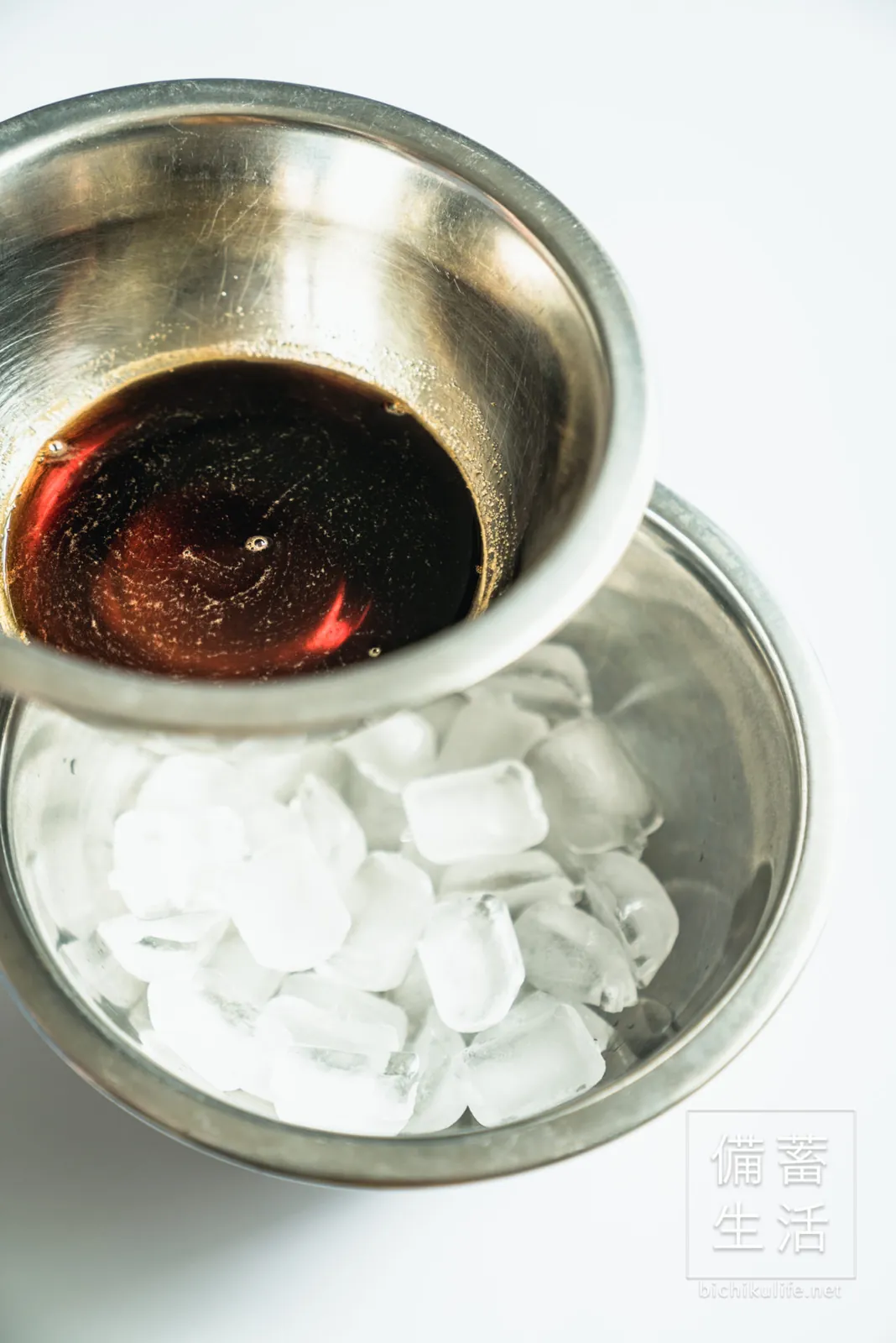
Move it to a bowl and cool it over ice.
Separate the eggs in warm water
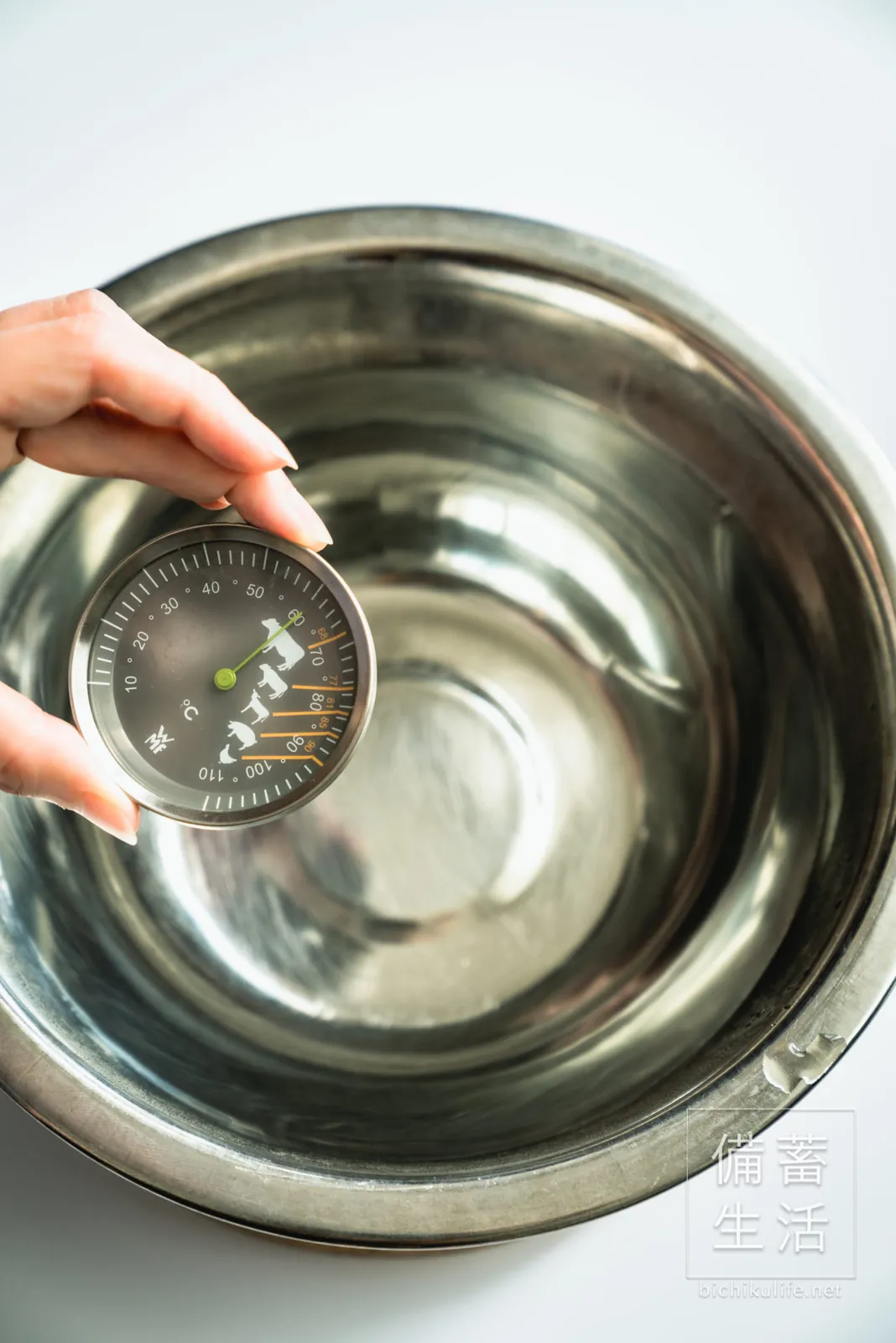
Fill a bowl with warm water at about 40–50°C (105–120°F). Warm water makes the membrane come away from the eggs more easily.
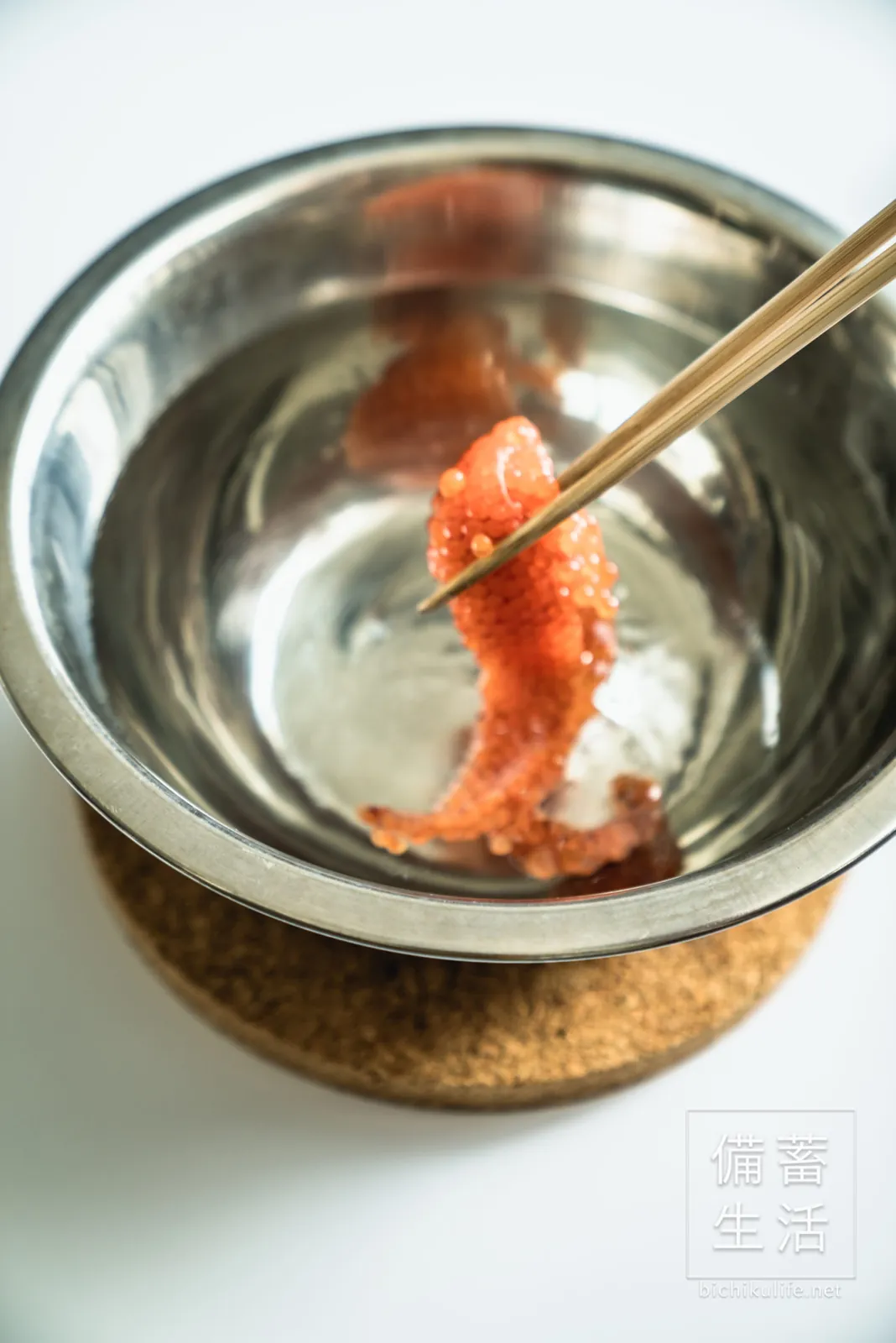
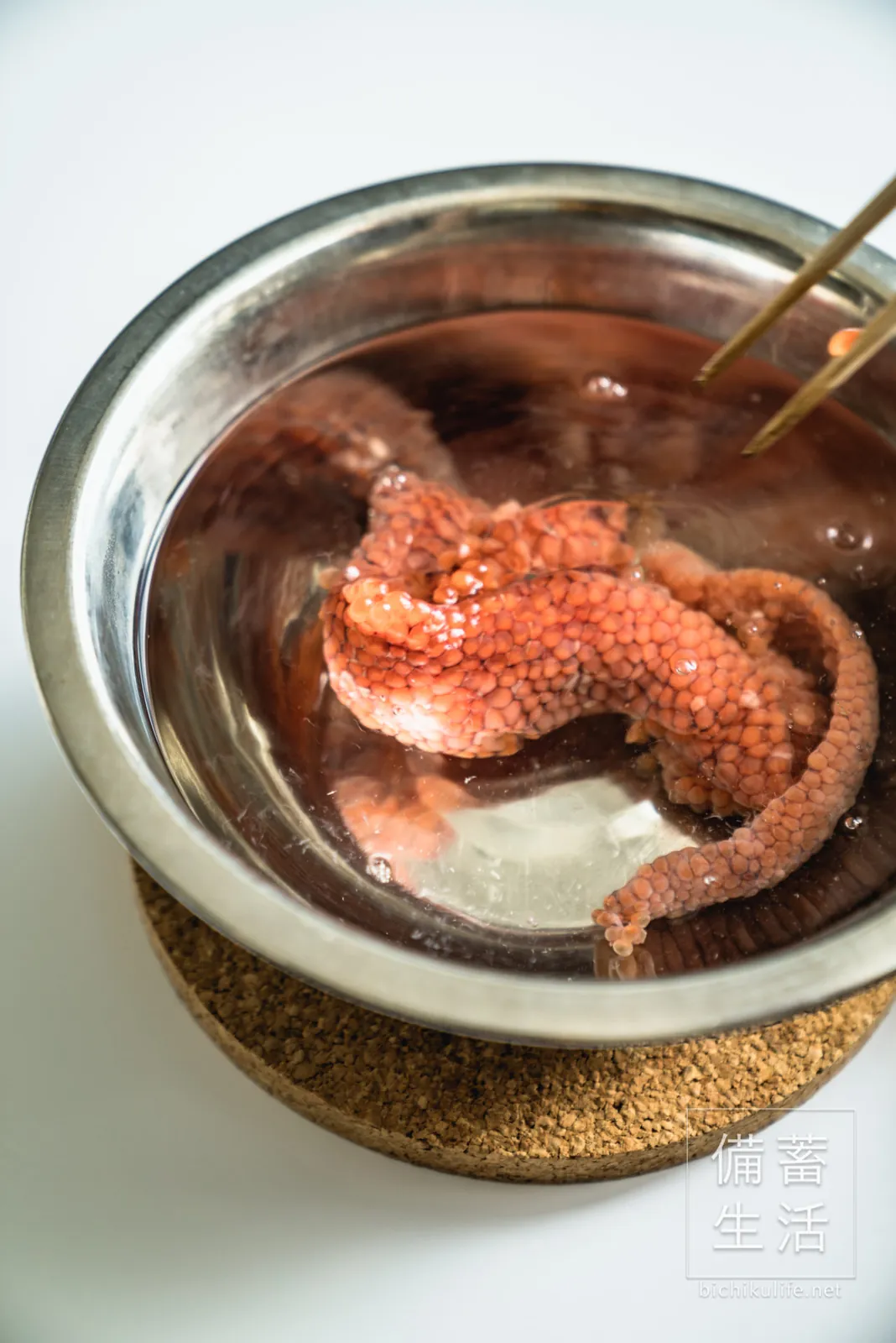
Gently lower the sujiko into the bowl.
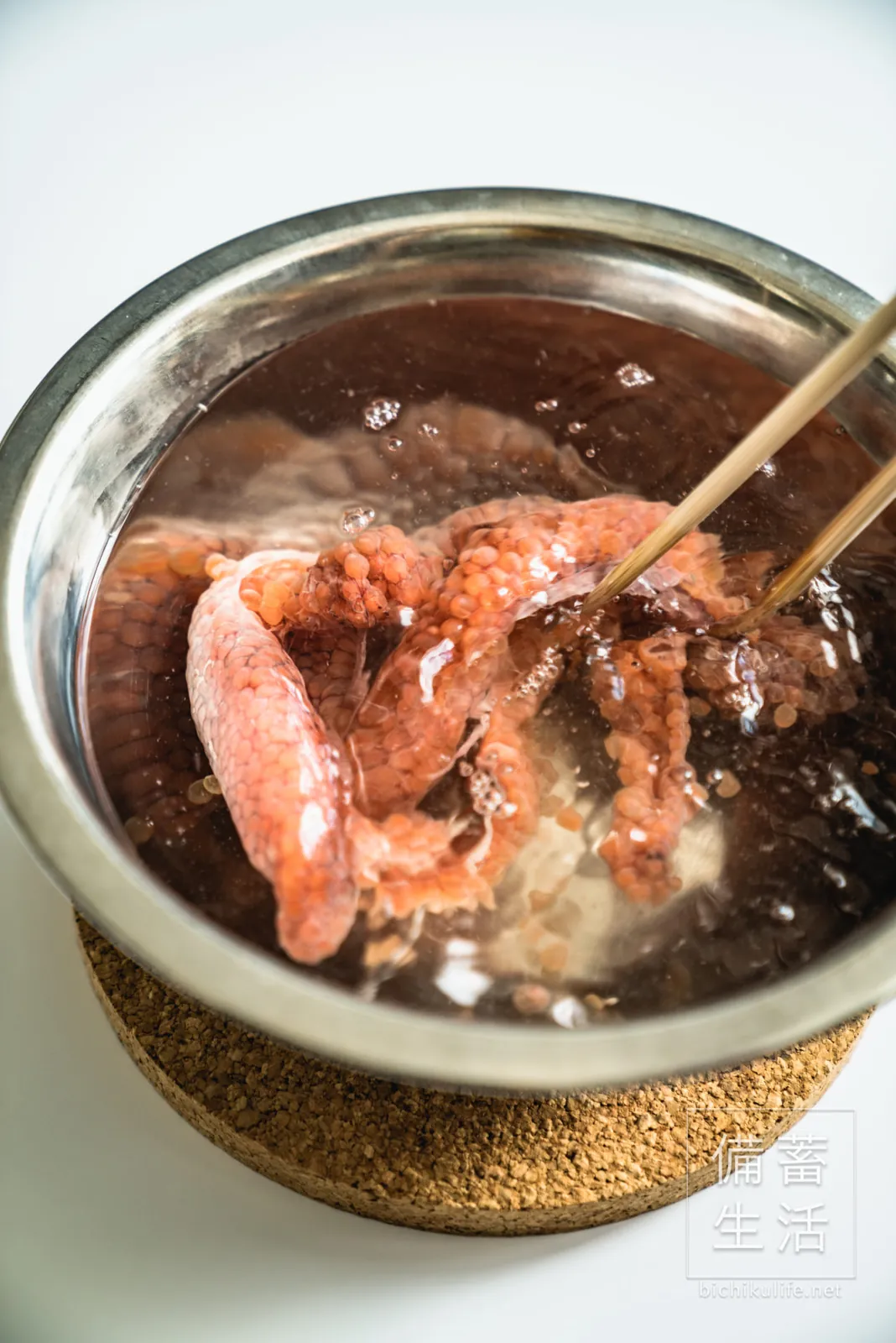
Stir round and round with chopsticks to separate the eggs.
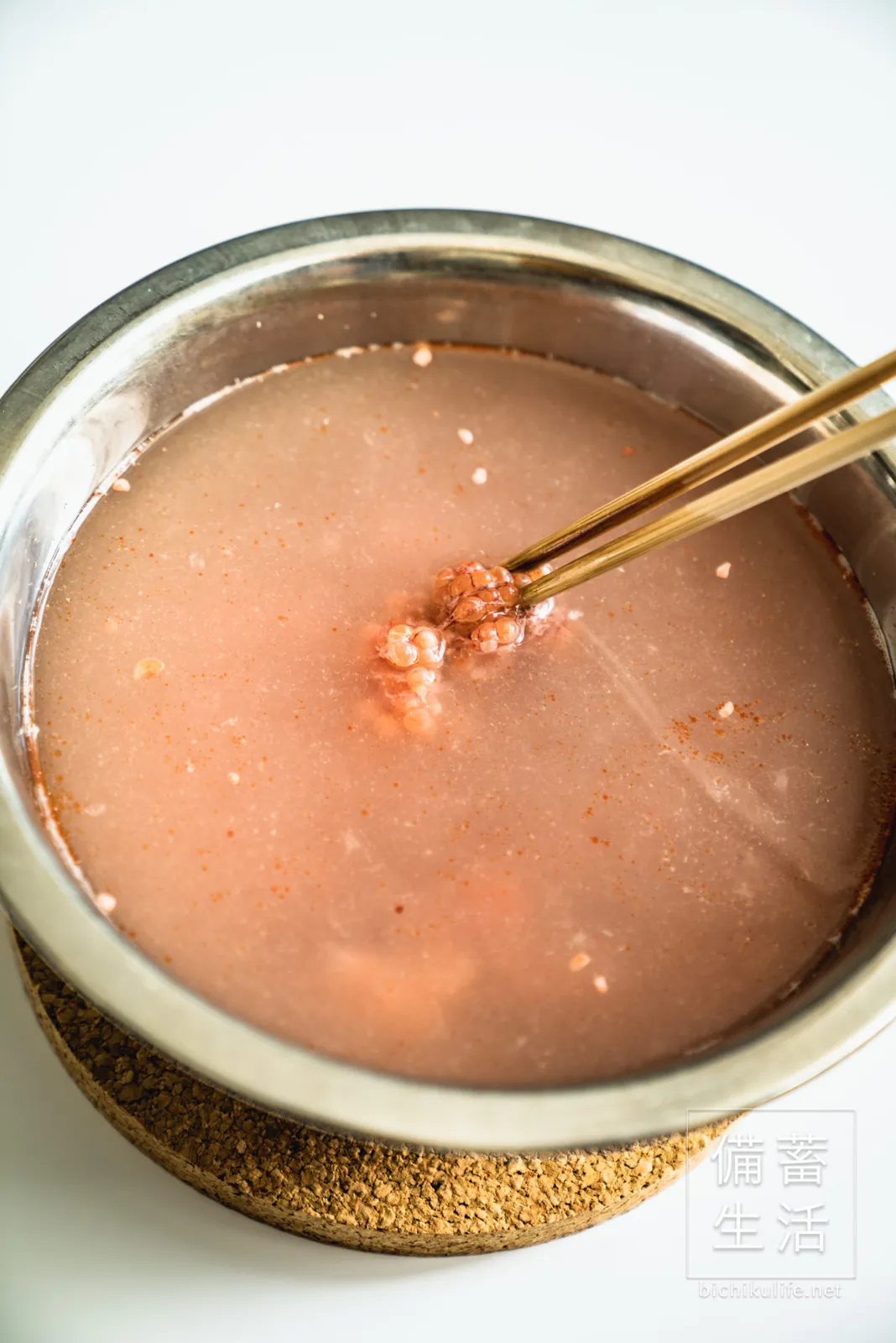
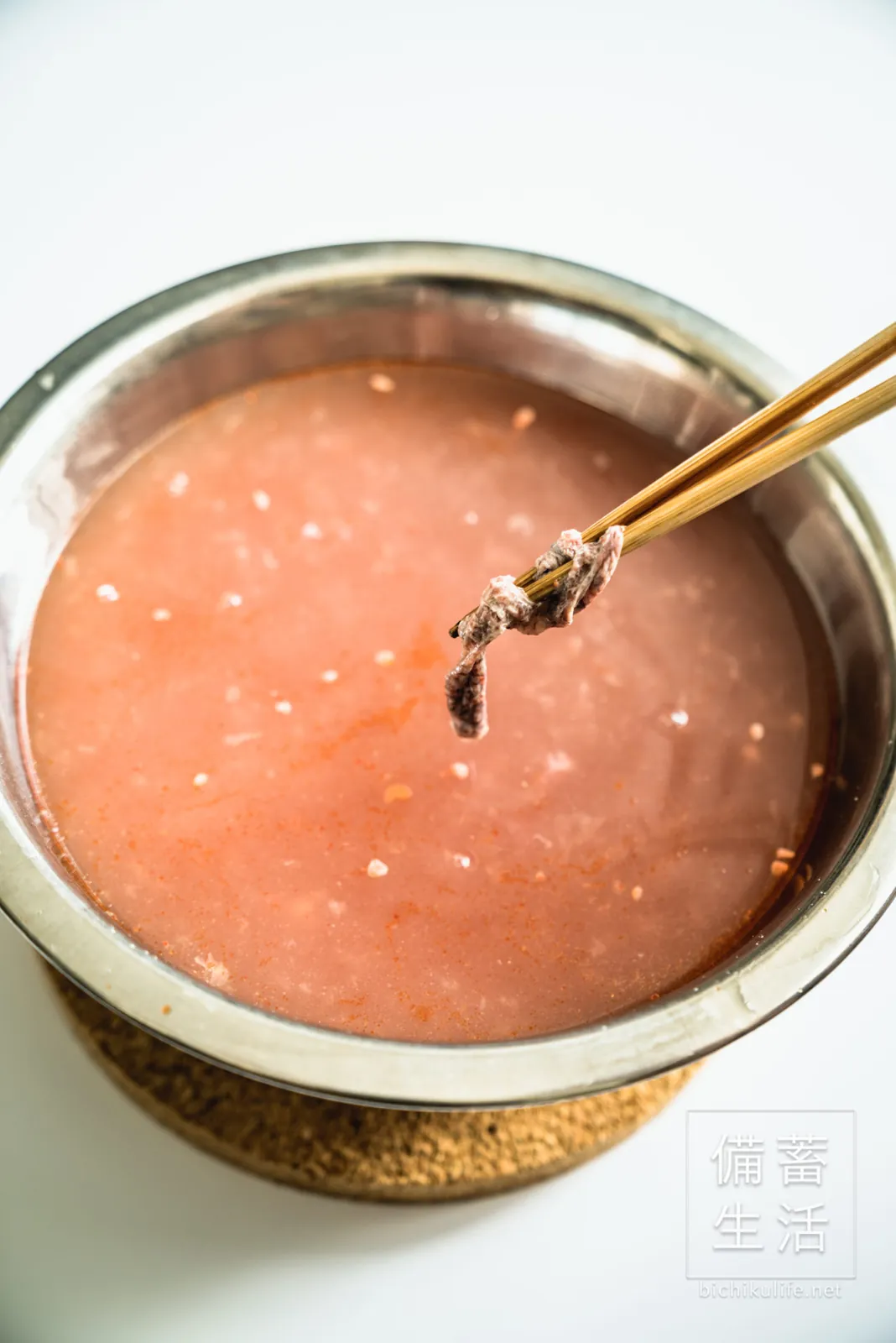
As you stir, the membrane wraps around the chopsticks; remove it carefully. The eggs turn whitish, but don’t worry, the color comes back later.
Rinse the eggs
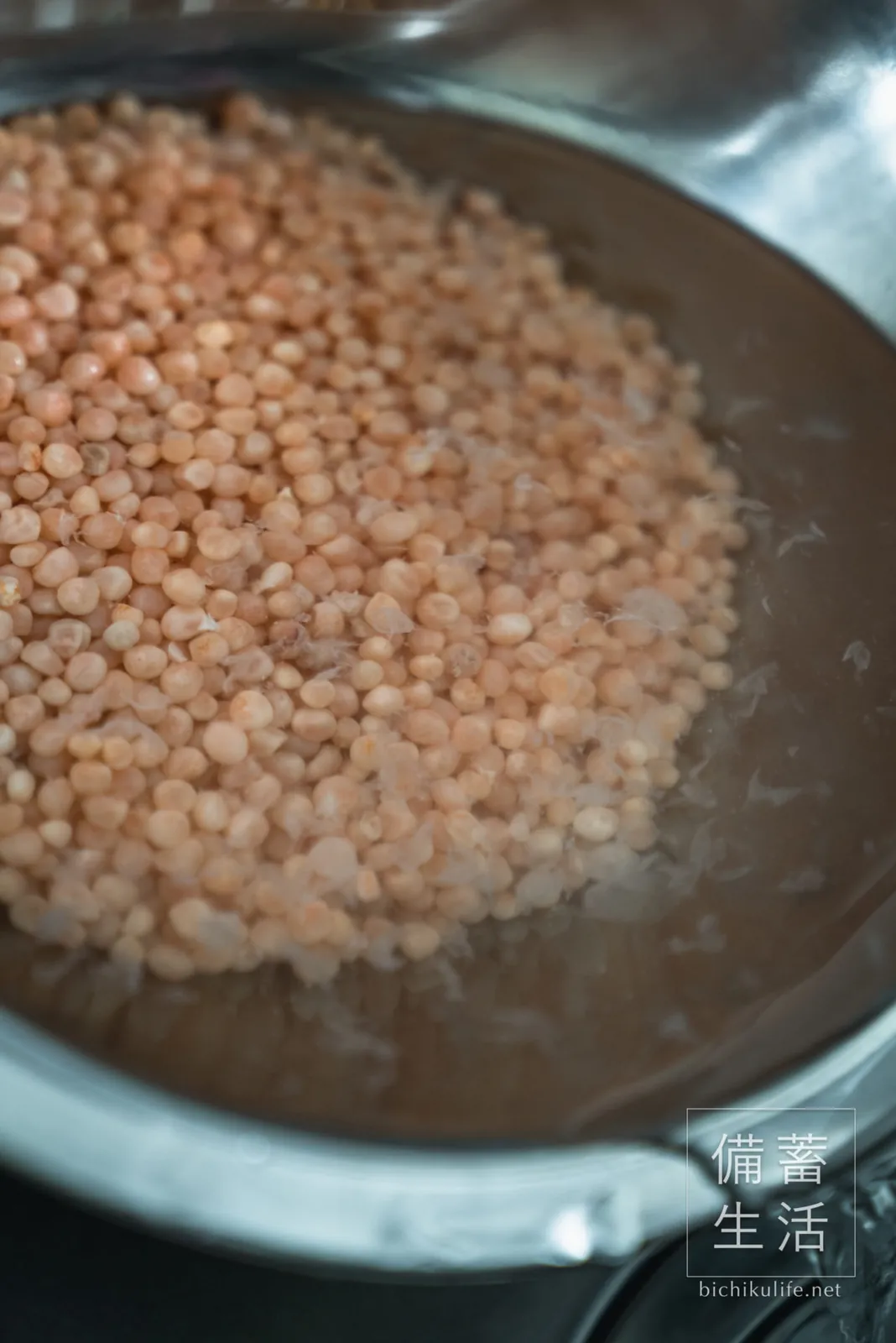
Once the eggs are separated, gently pour off the cloudy water and rinse under running water.
Fine bits of membrane keep floating up, so change the water several times until the eggs are clean.
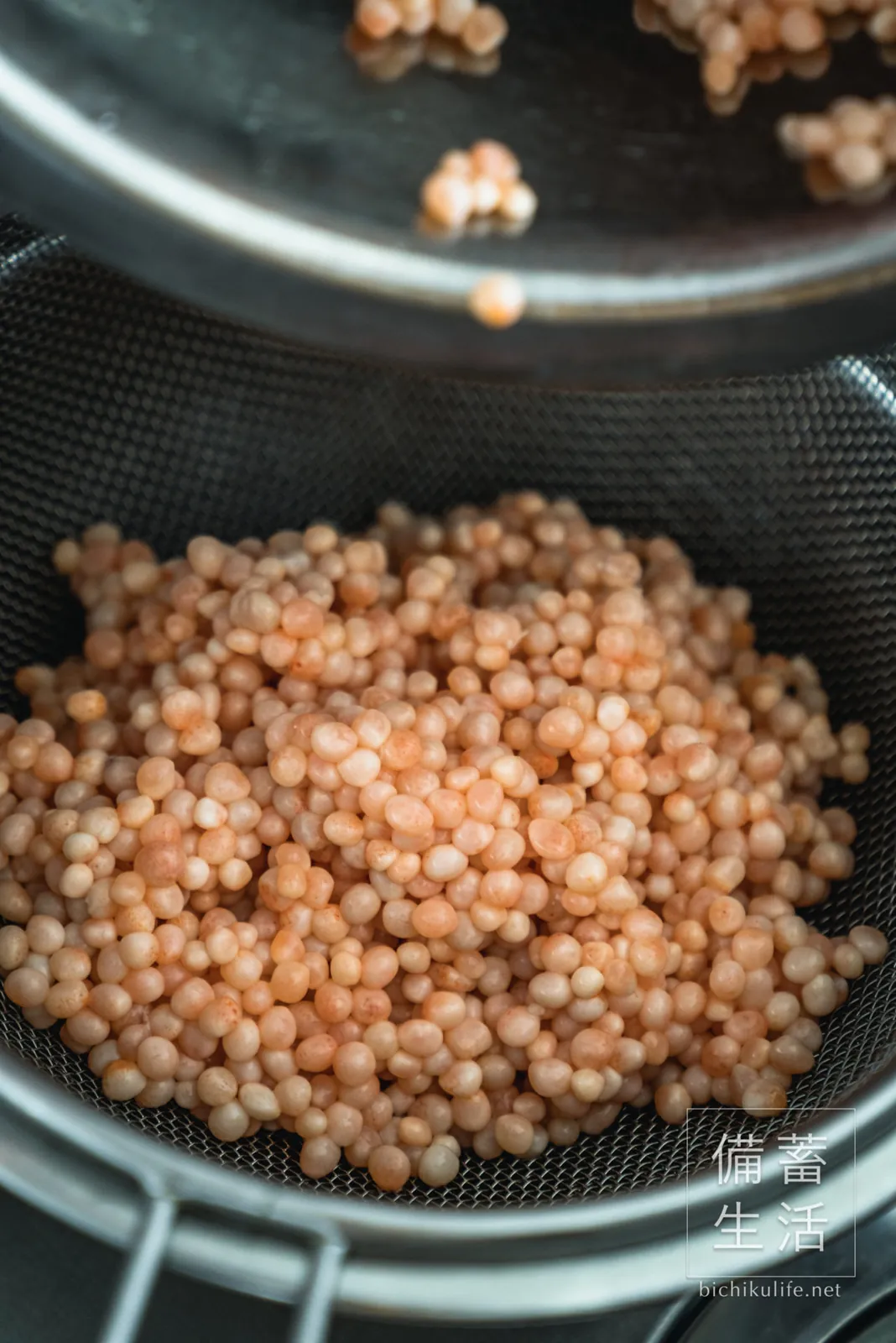
When they’re clean, drain the eggs in a colander.
Salt and rest in the fridge
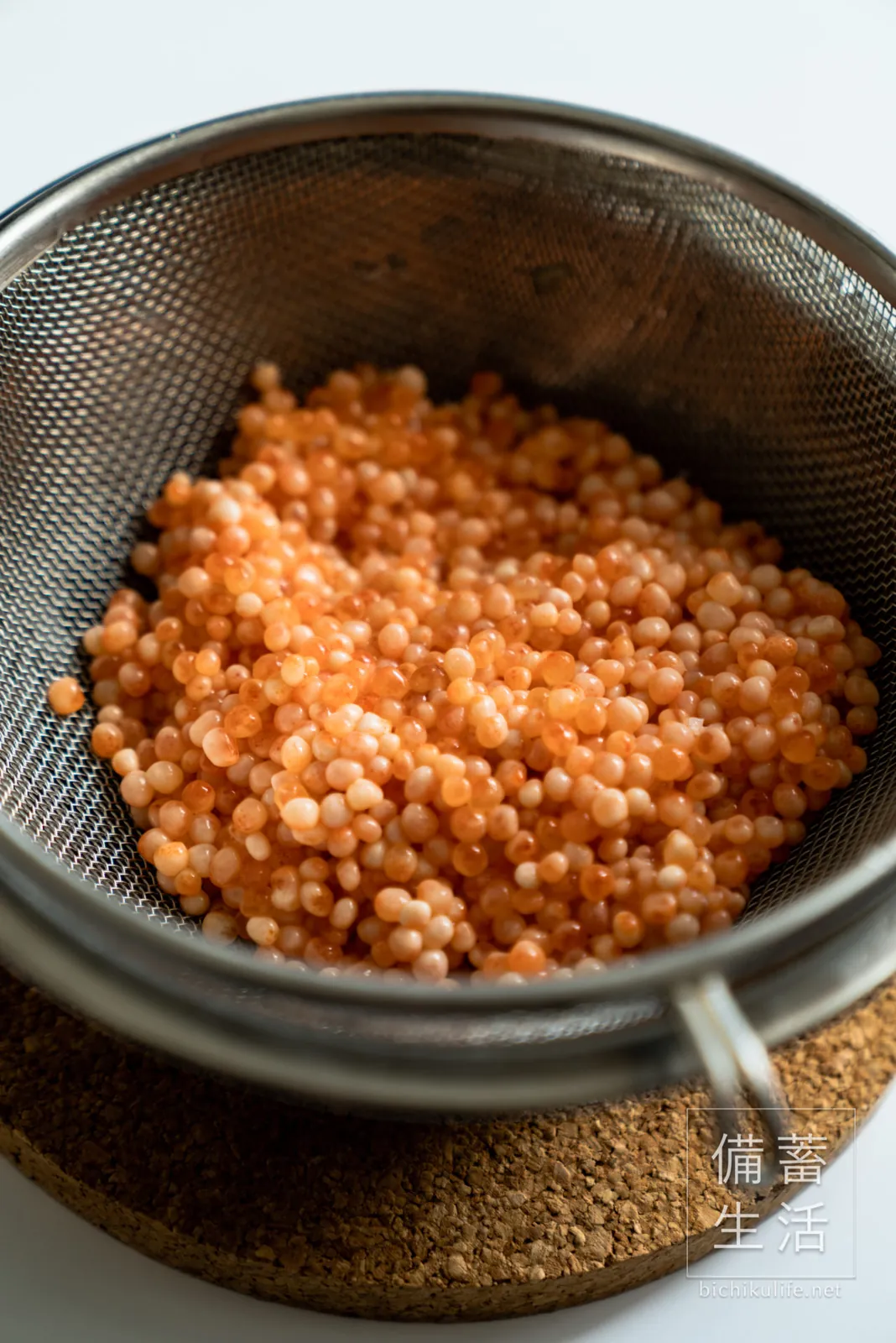
To remove any fishy smell and excess water, sprinkle with salt (about two pinches) and mix gently. It’s fascinating to watch the eggs slowly turn red again.
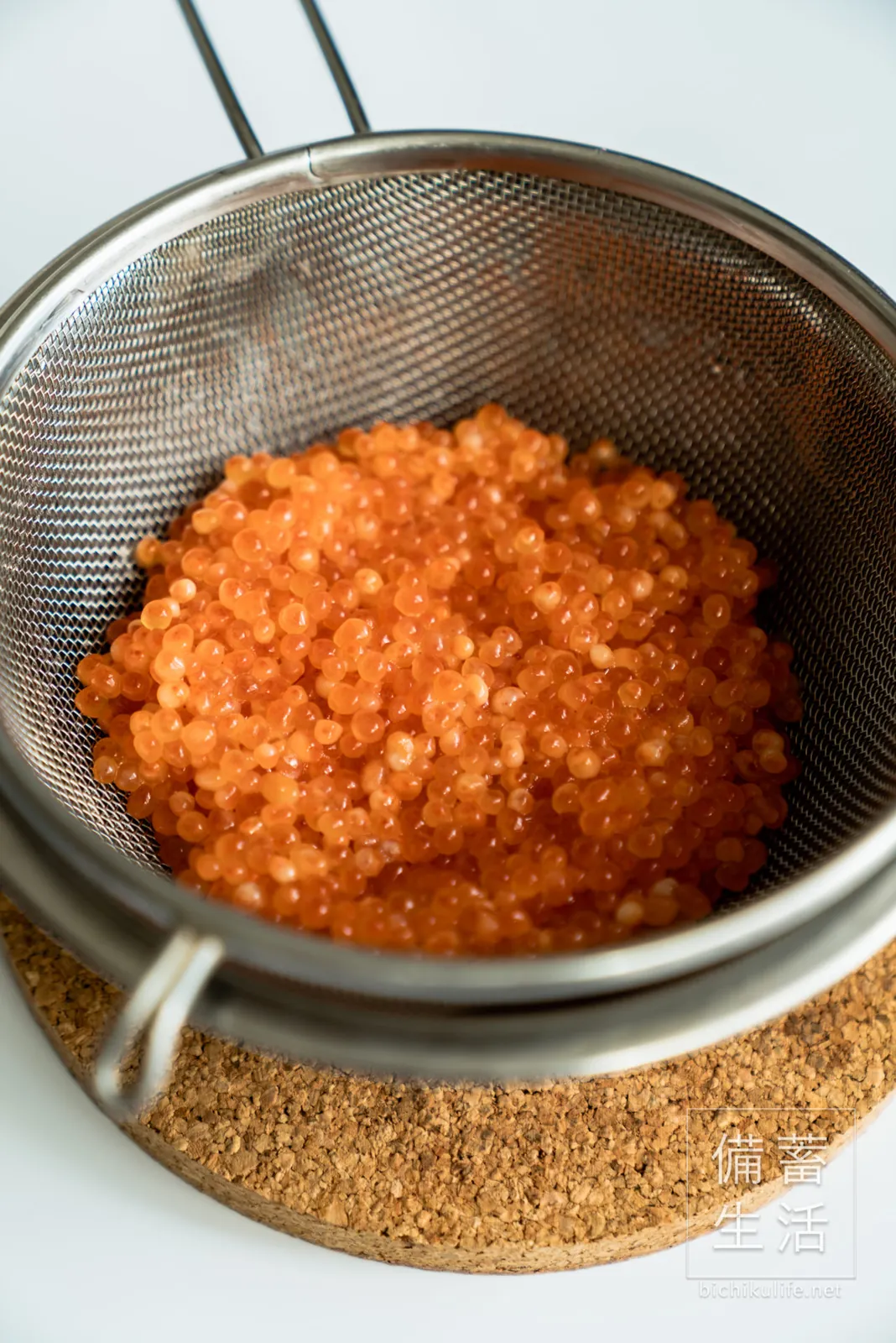
Cover with plastic wrap and rest in the fridge for about an hour.
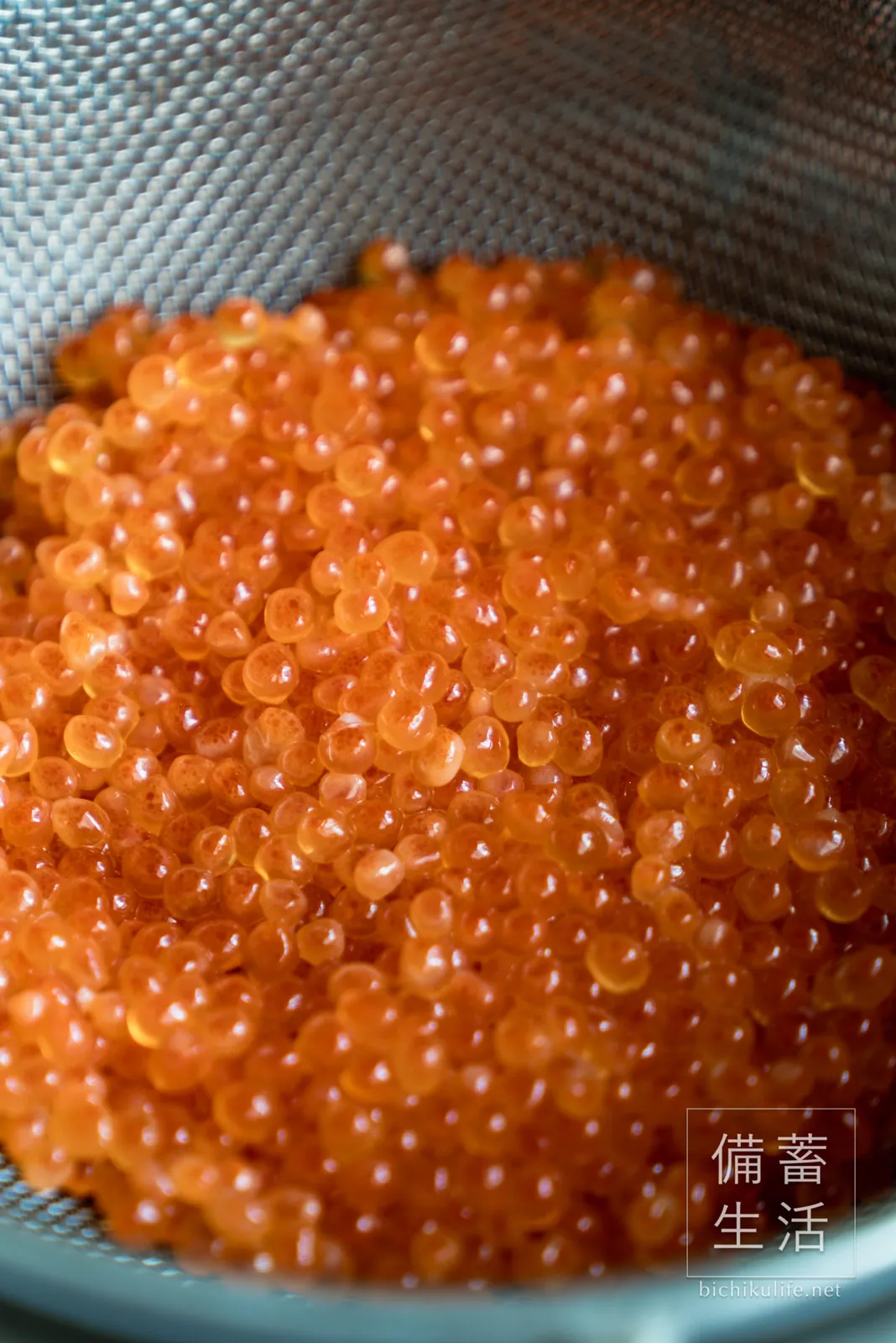
After an hour. The color has completely come back, and the eggs sparkle.
Marinate
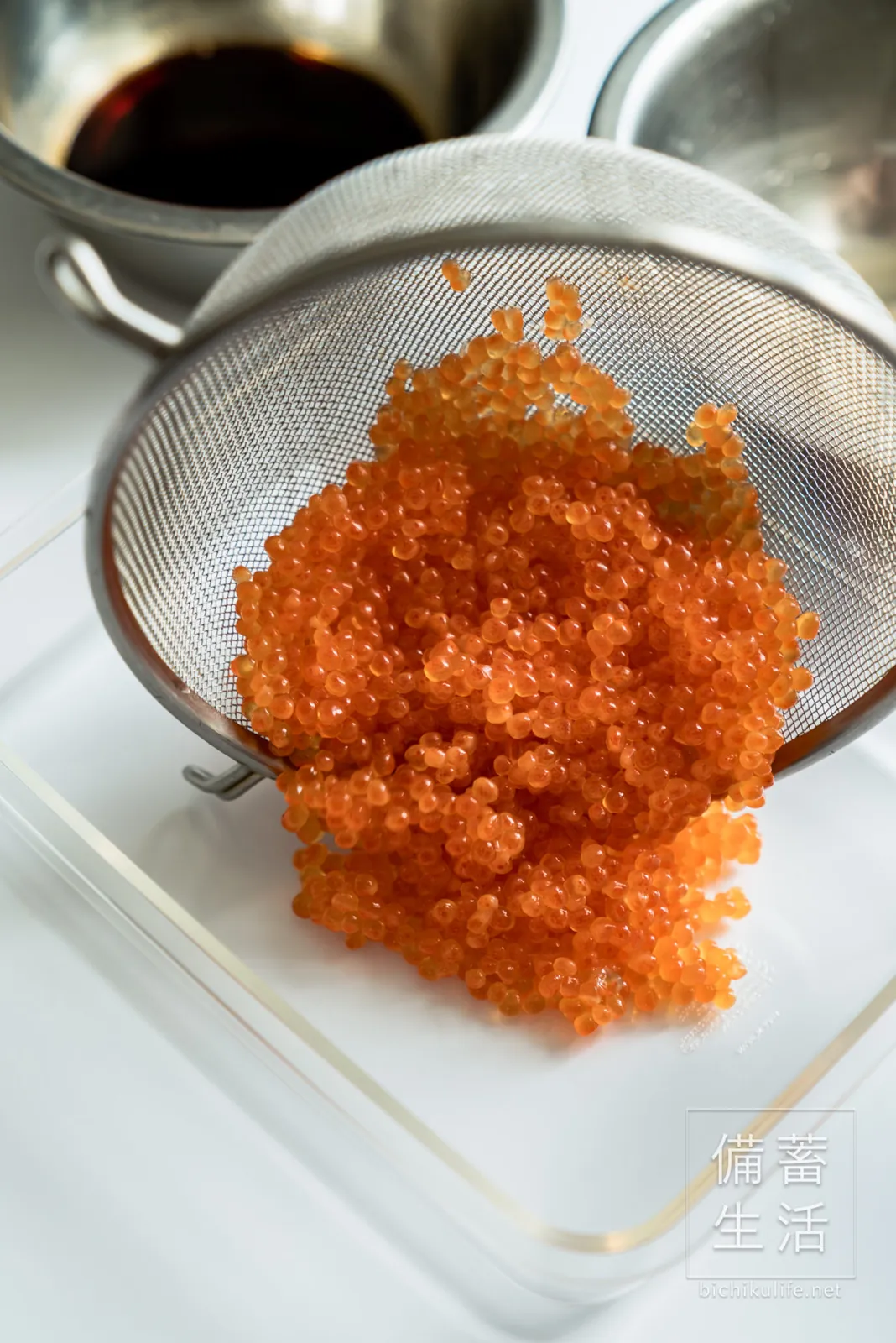
No need to rinse off the salt. Move the eggs to the storage container and add the marinade.
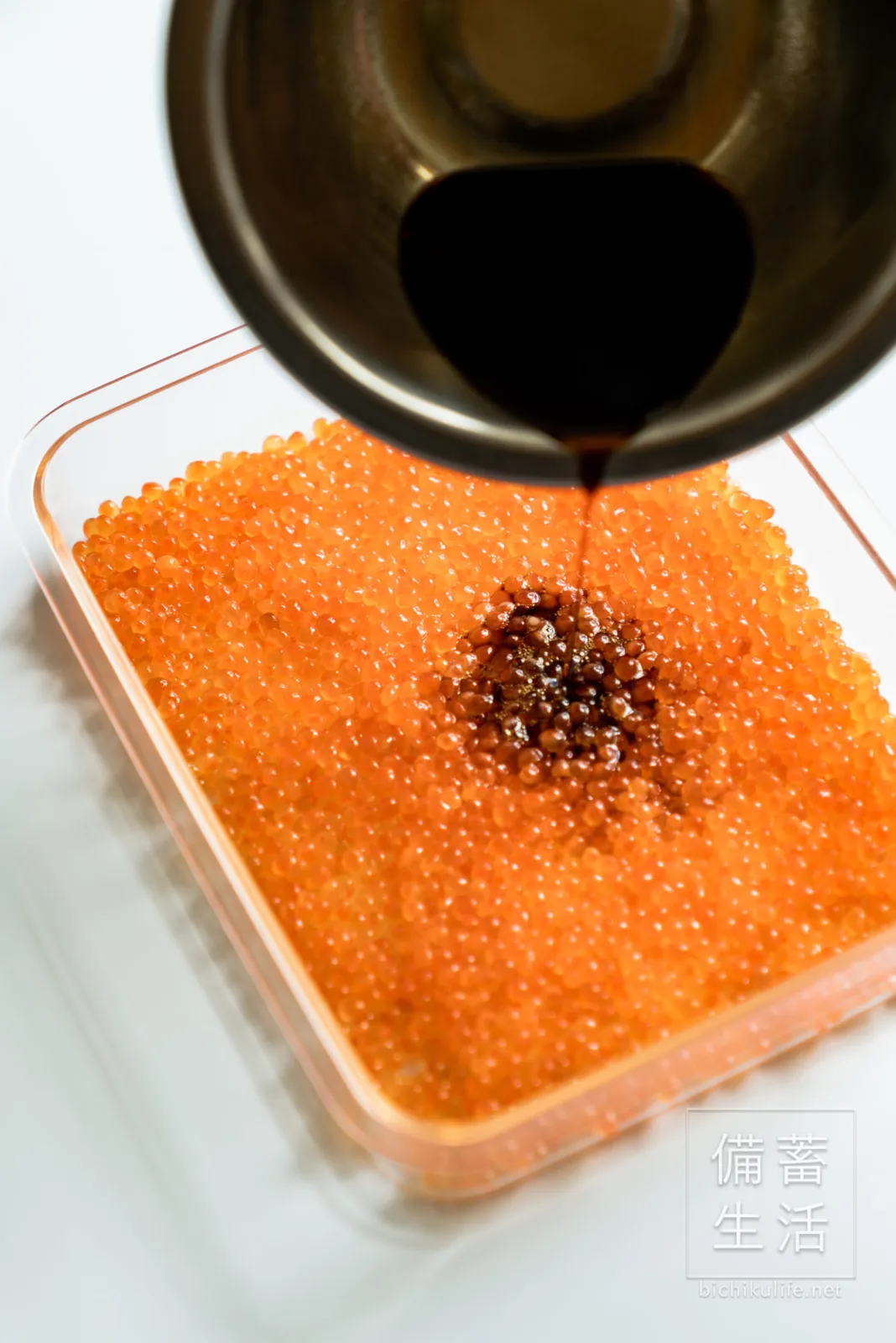
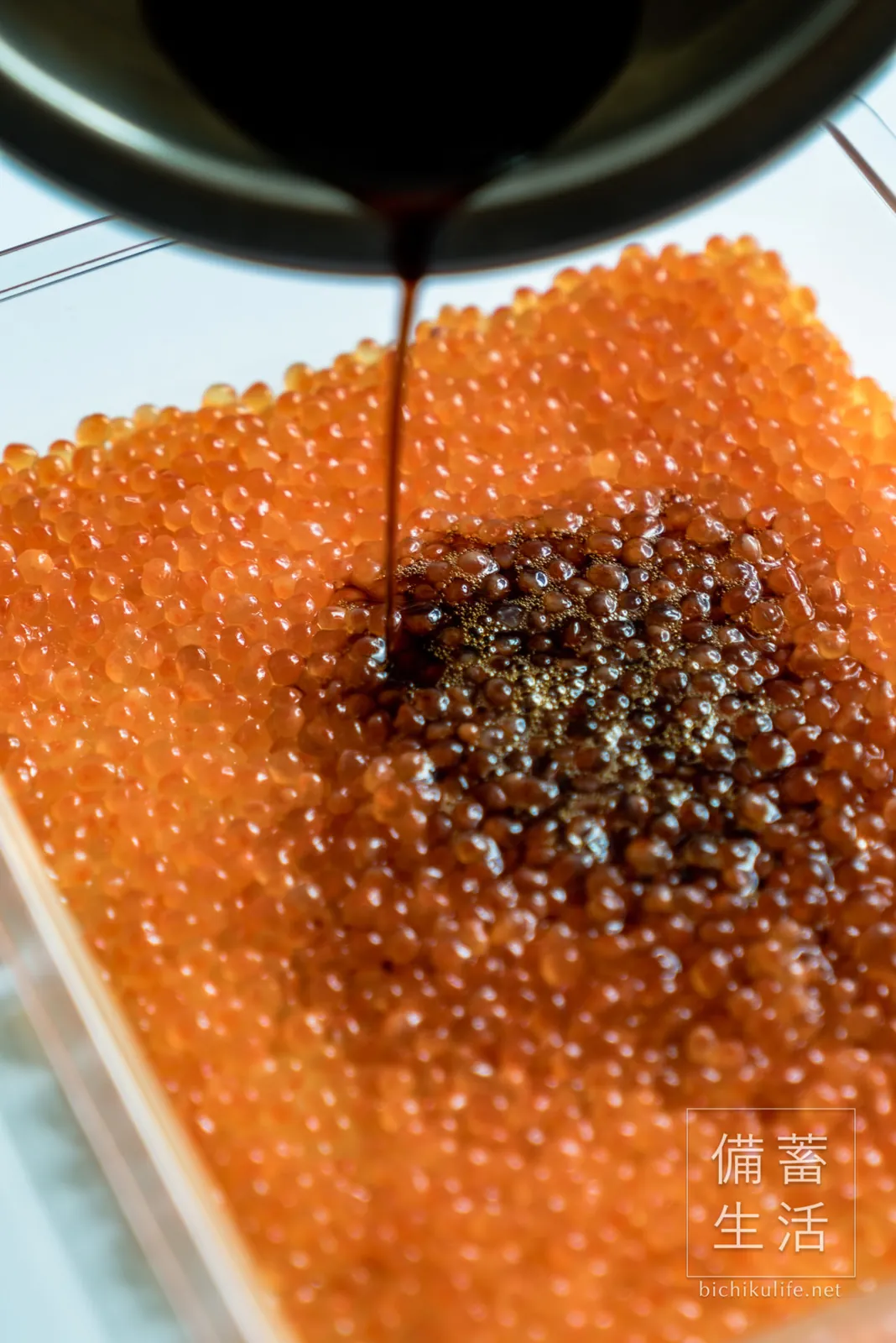
Mix the marinade through gently and leave to marinate.
2–3 hours is enough. Leave it overnight in the fridge if you want the flavor to soak in more.
Done
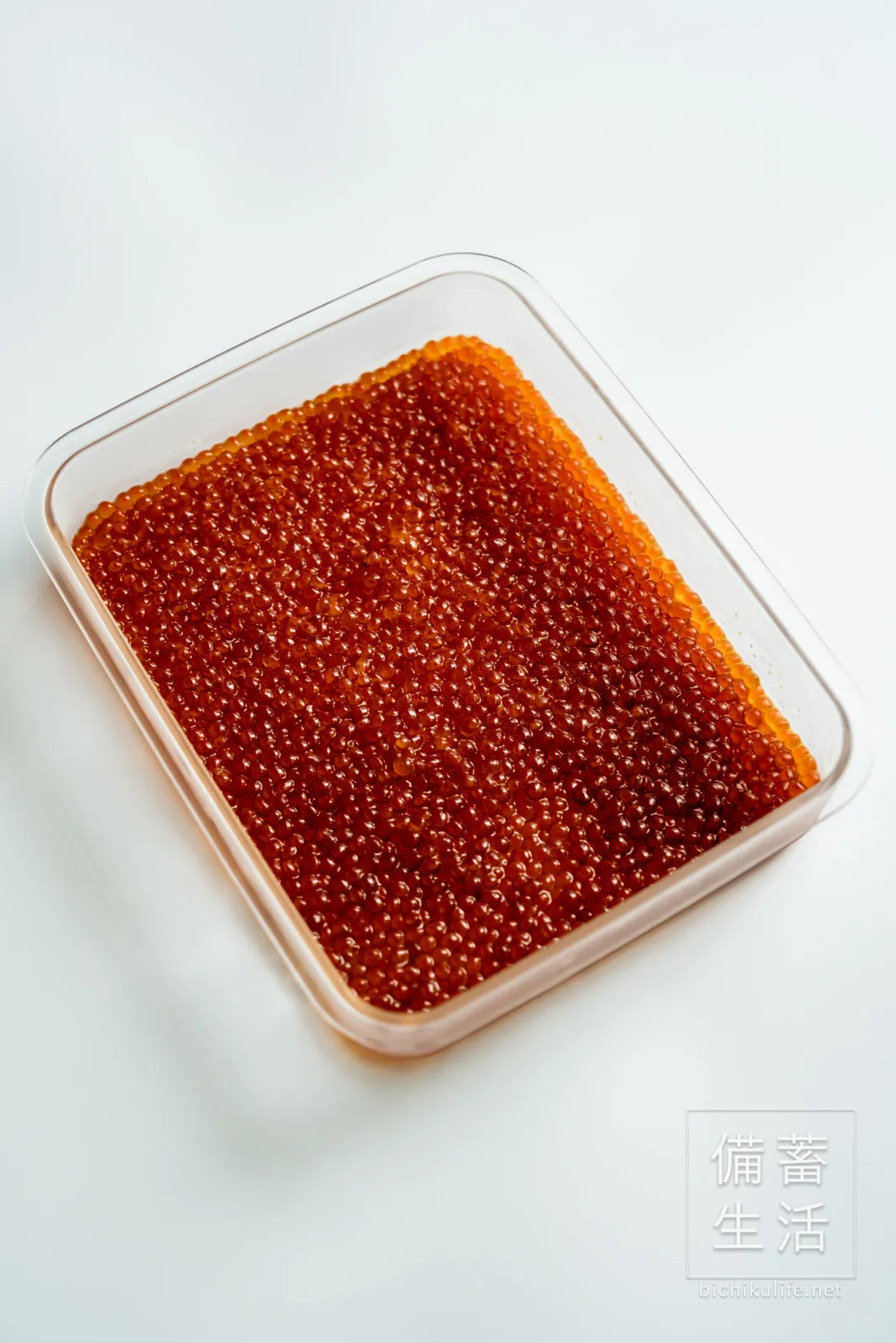
After marinating overnight. You can see the marinade has soaked in well.
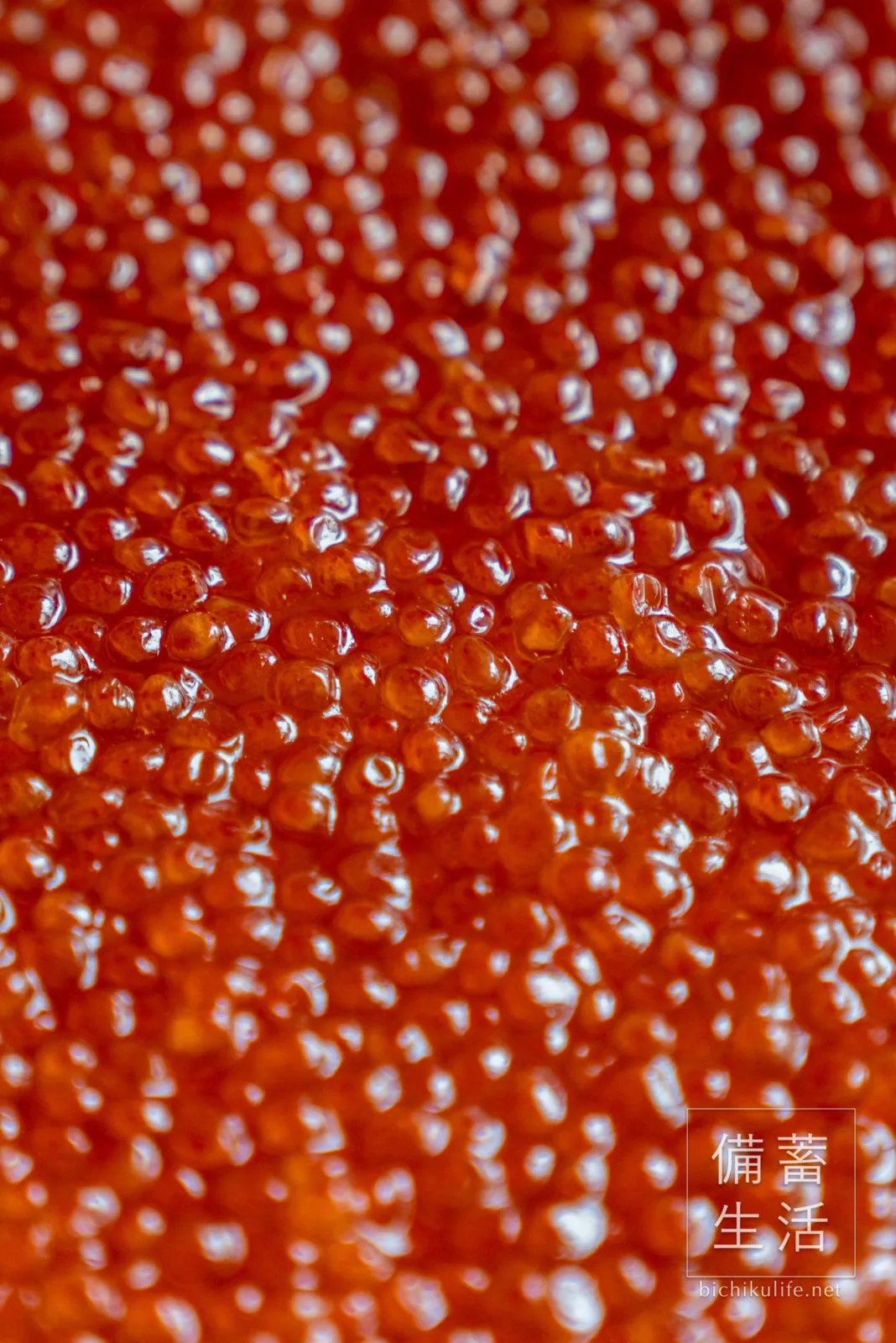
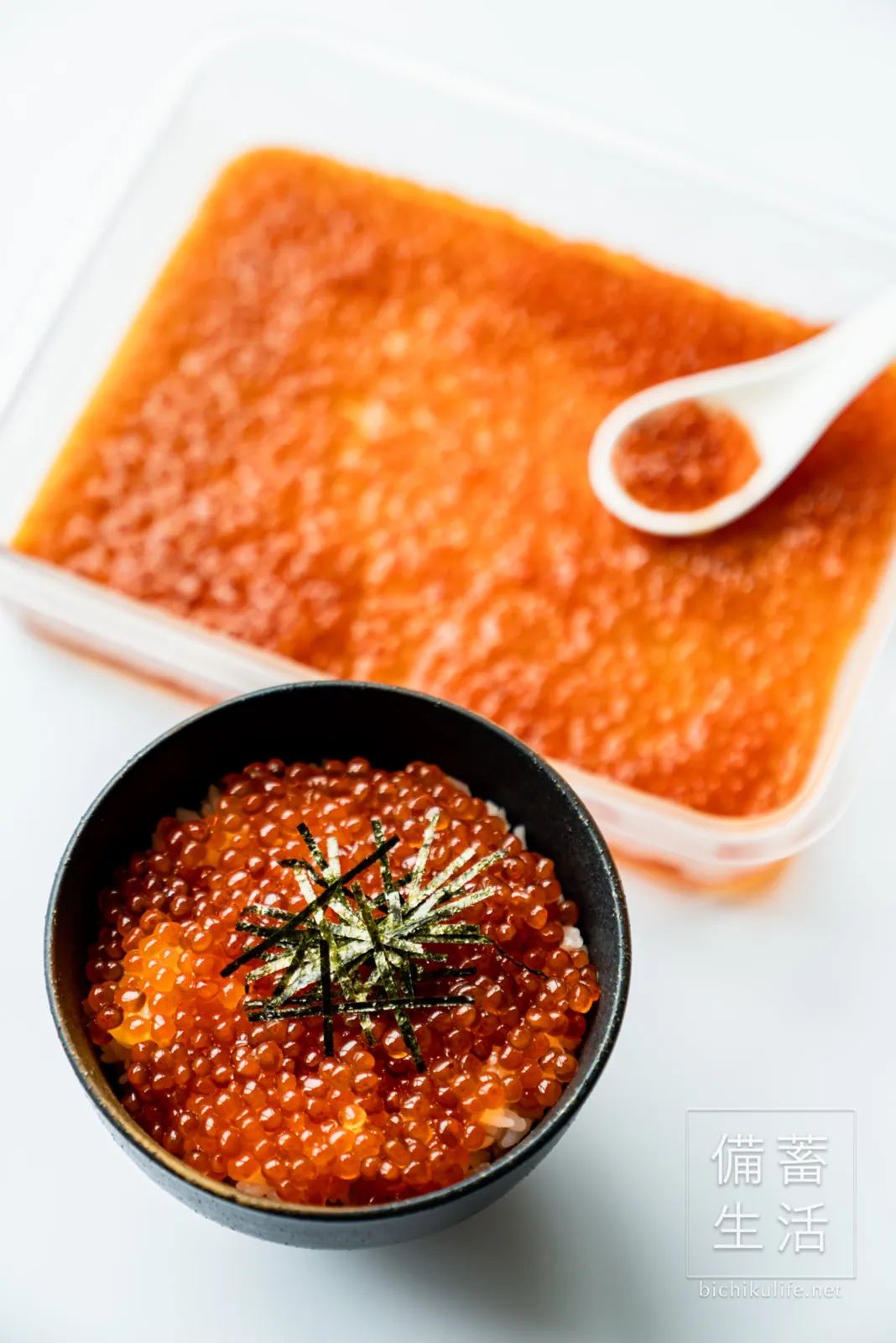
Make an ikura bowl, or gunkan sushi. Enjoy it however you like.
To put it mildly, it’s the best.
Keep the marinated ikura in the fridge and eat within 2–3 days. Freeze what you can’t eat in small portions.