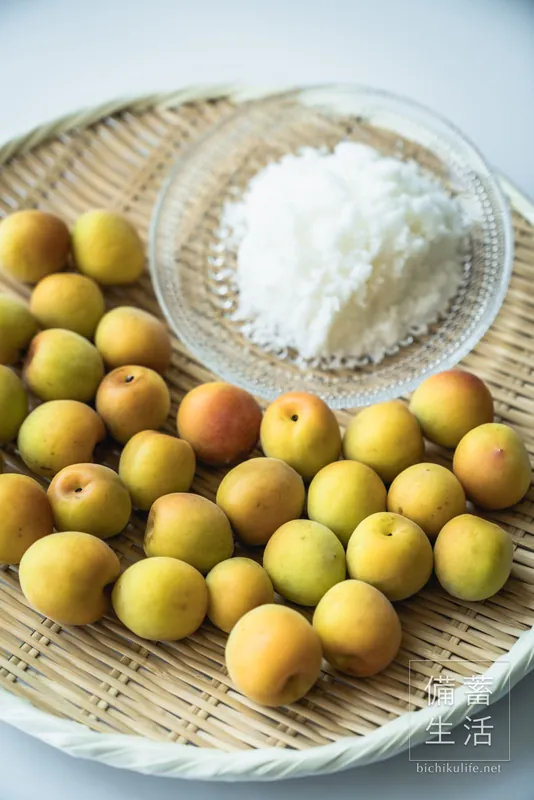
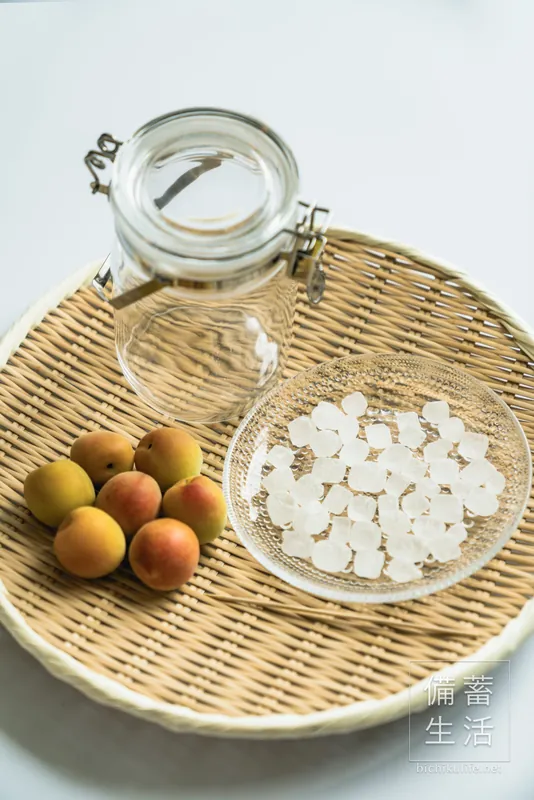
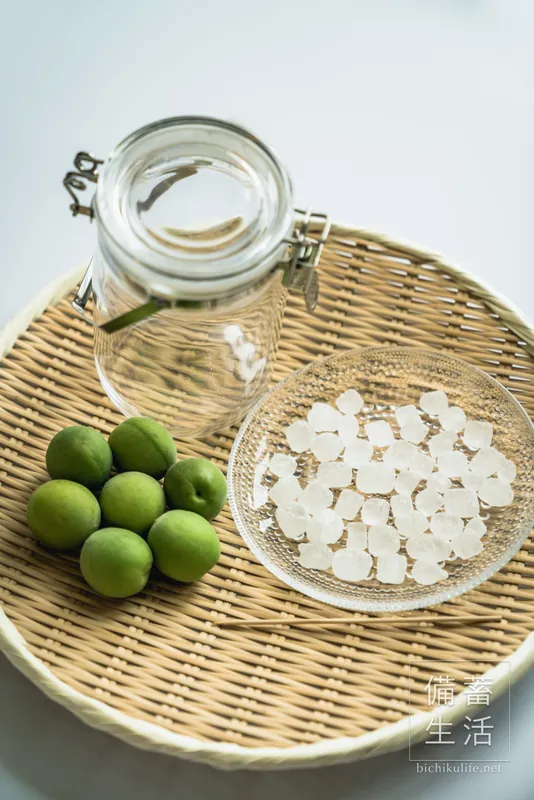
Ume (Japanese plums)
Ume ShigotoUmeboshi, Umeshu, Ume Syrup and Other Preserves Made with Japanese Plums
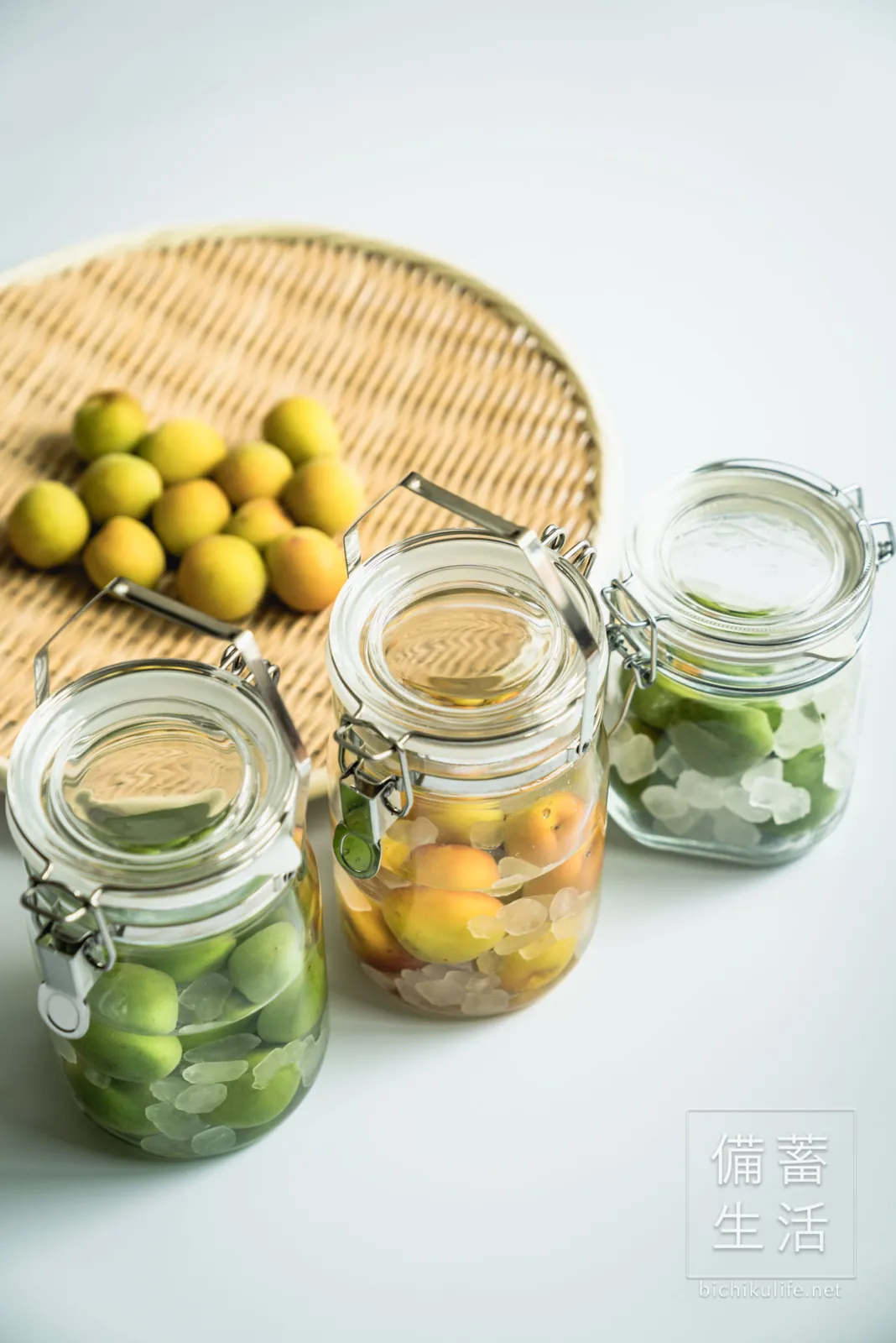
From late May through June, green ume and ripe yellow ume appear in Japanese markets. Making umeboshi, umeshu and ume syrup in this season is called ume shigoto, “ume work”, and it’s a yearly ritual in many Japanese homes.
Ume (Prunus mume) are often called Japanese plums or Japanese apricots. They’re too sour and astringent to eat raw, which is why they’re always preserved.
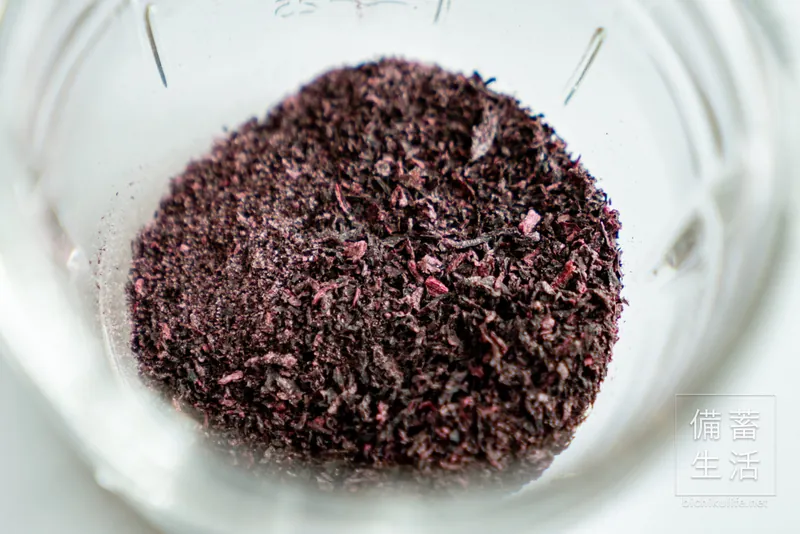
If you plan the order, one batch of ume leads to one preserve after another. The ume left from syrup become jam, the brine from umeboshi becomes a pickling liquid, and the dried red shiso becomes yukari.
| When | What to make |
|---|---|
| Early to mid June (green ume) | Ume syrup, umeshu, ume soy sauce |
| Mid to late June (ripe ume) | Salting umeboshi, umeshu with ripe ume |
| Late June to July (red shiso) | Adding red shiso to umeboshi, red shiso juice |
| July (once the syrup is ready) | Ume jam |
| Late July to August (end of the rainy season) | Sun-drying umeboshi, umezu pickles, yukari |
Finding ume outside Japan
Fresh ume are hard to find outside Japan. In the United States, a few farms in California grow them, and they appear for a few weeks around late May and June at some Japanese grocery stores, farmers’ markets, and farms that ship online. Look for “ume” or “Japanese apricot”, and order early; the season is short.
Some people outside Japan make these preserves with firm, underripe apricots instead. We haven’t tried it ourselves, and the flavor and texture will differ from ume.
Umeboshi
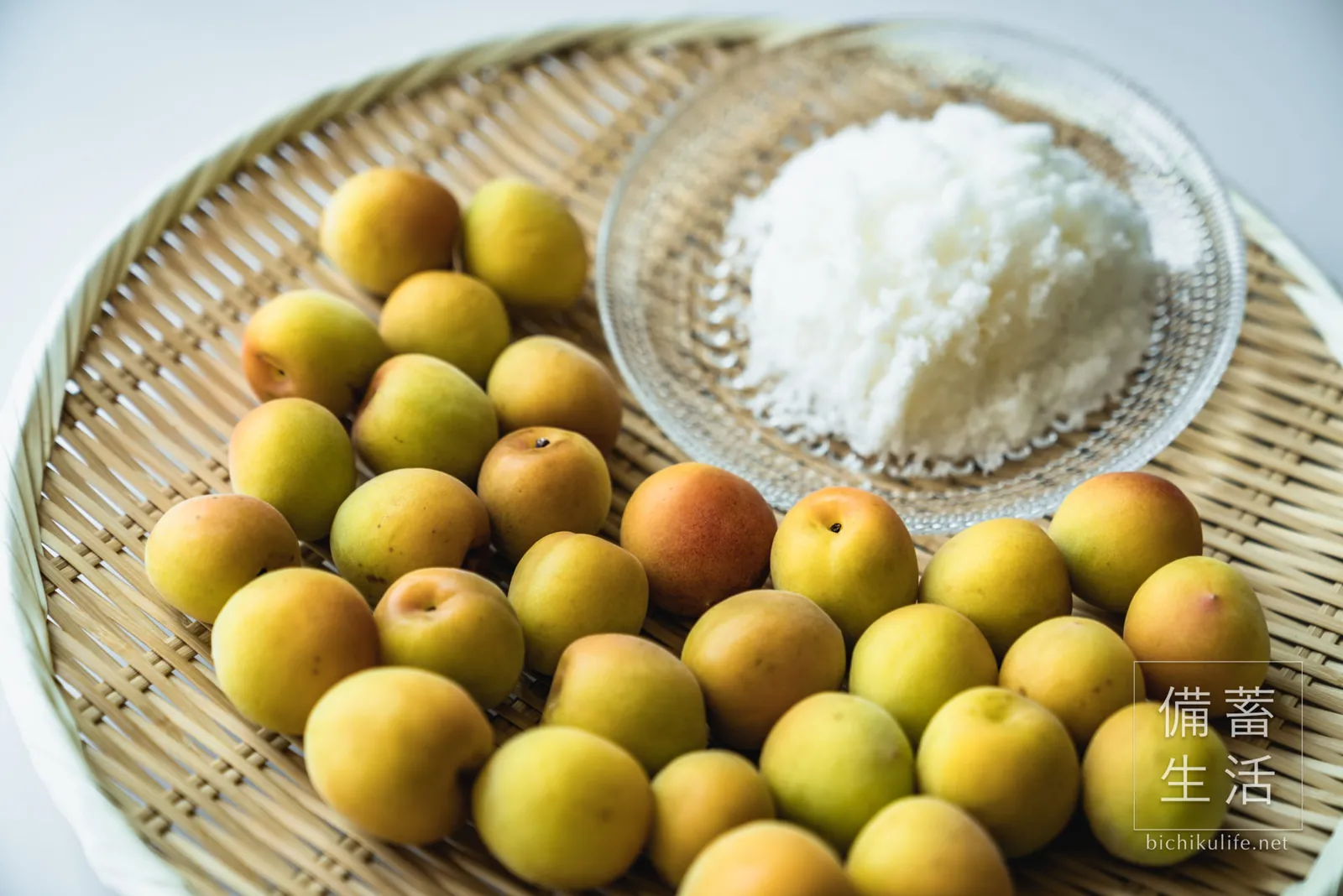
Ripe Nanko ume are salted, pickled with red shiso, then sun-dried after the rainy season ends. We pickle them in a zip-top bag, so you don’t need a big crock or heavy weights.
Umeshu
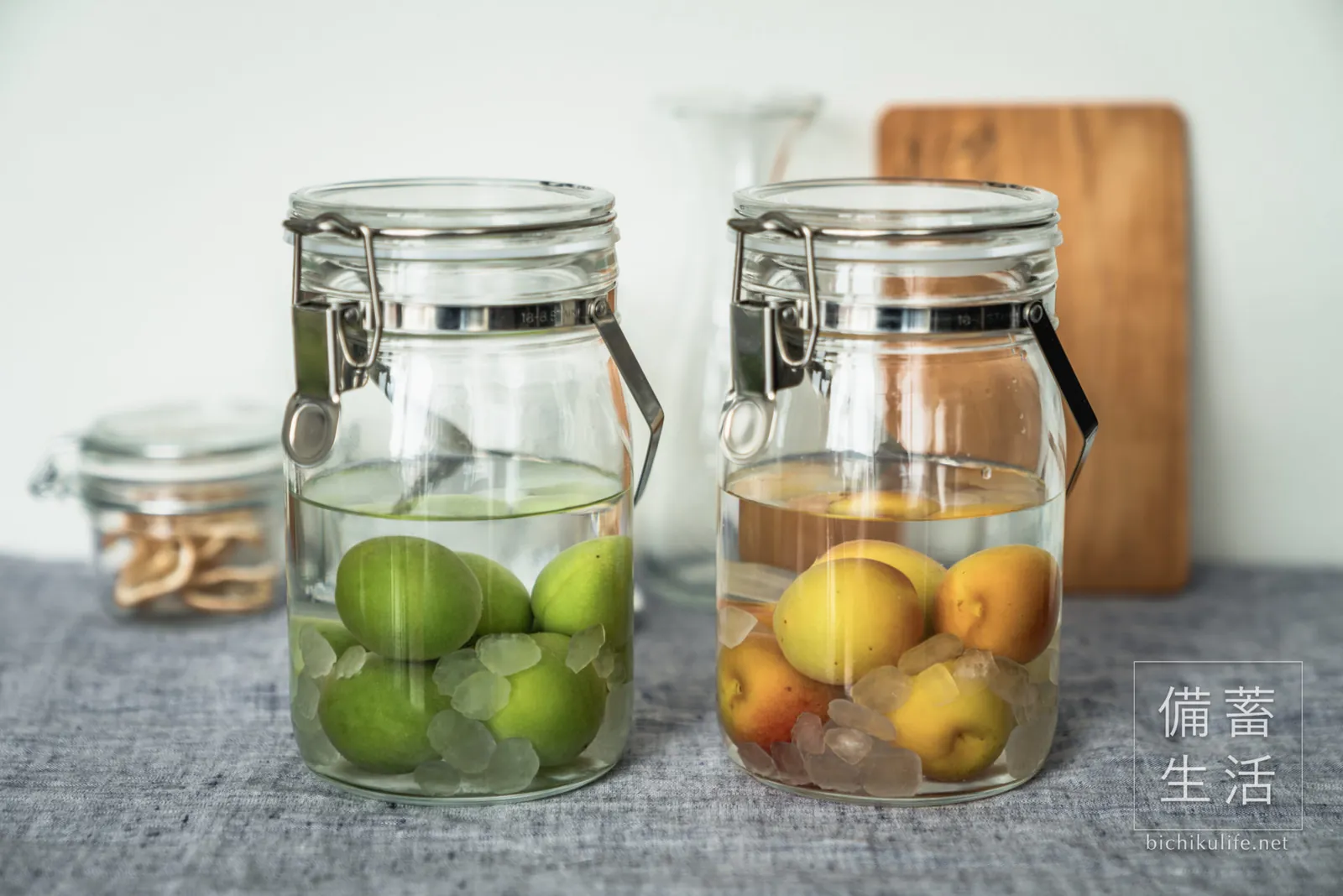
Umeshu (ume liqueur) made in June is ready to drink from autumn, after three months or more. Green ume make it fresh-tasting; ripe ume make it richly fragrant.
Ume syrup
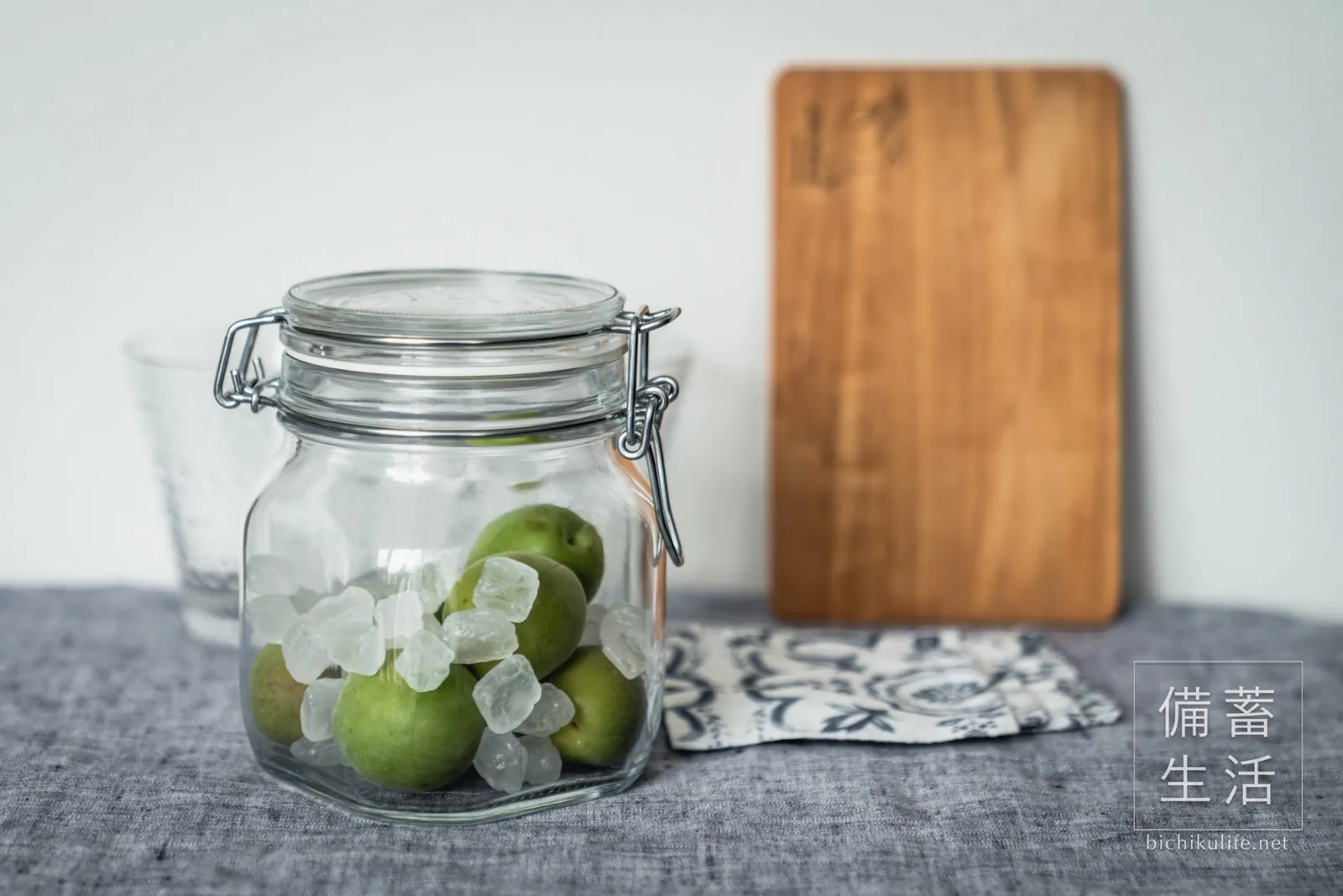
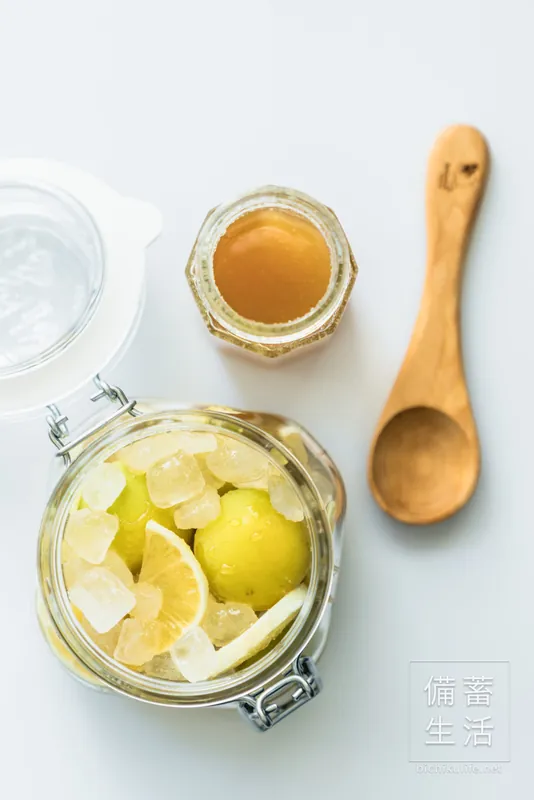
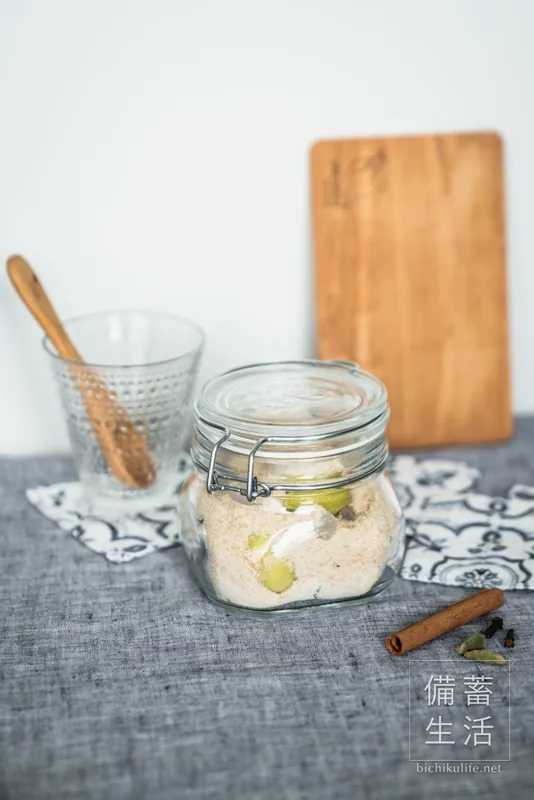
Just pack green ume and rock sugar into a jar. Mix with sparkling water or still water for a refreshing ume drink. We also have versions with honey and lemon, and with spices.
» How to make ume syrup » Ume syrup with honey and lemon » Spiced ume syrup
Ume jam
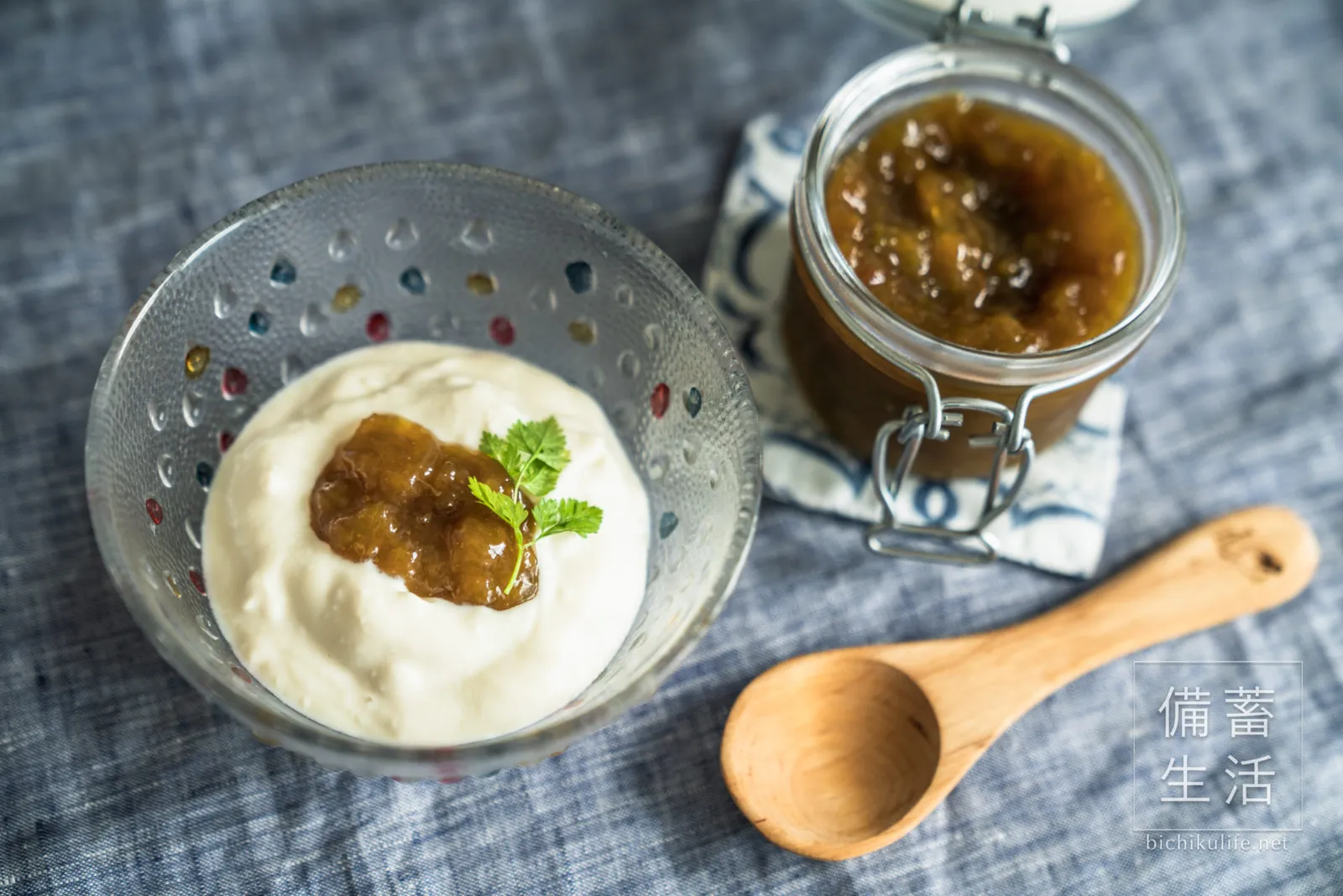
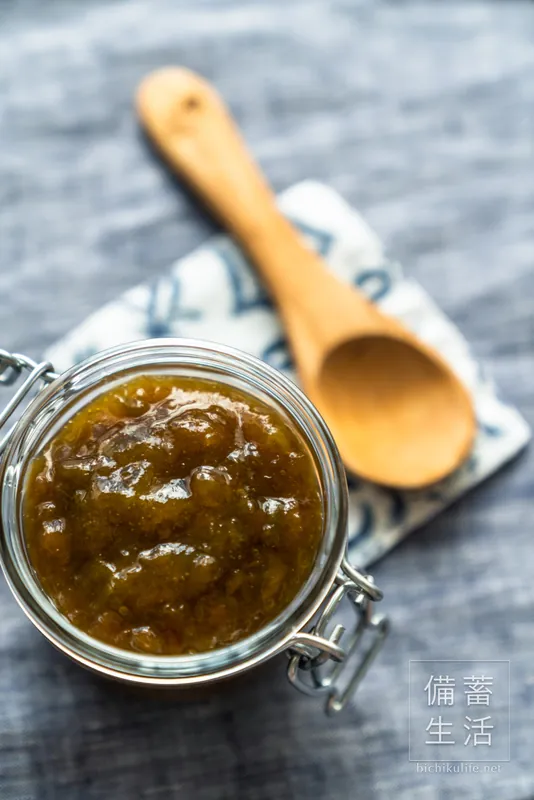
Made from the wrinkled ume left over after making syrup. Good on yogurt or bread.
Ume soy sauce
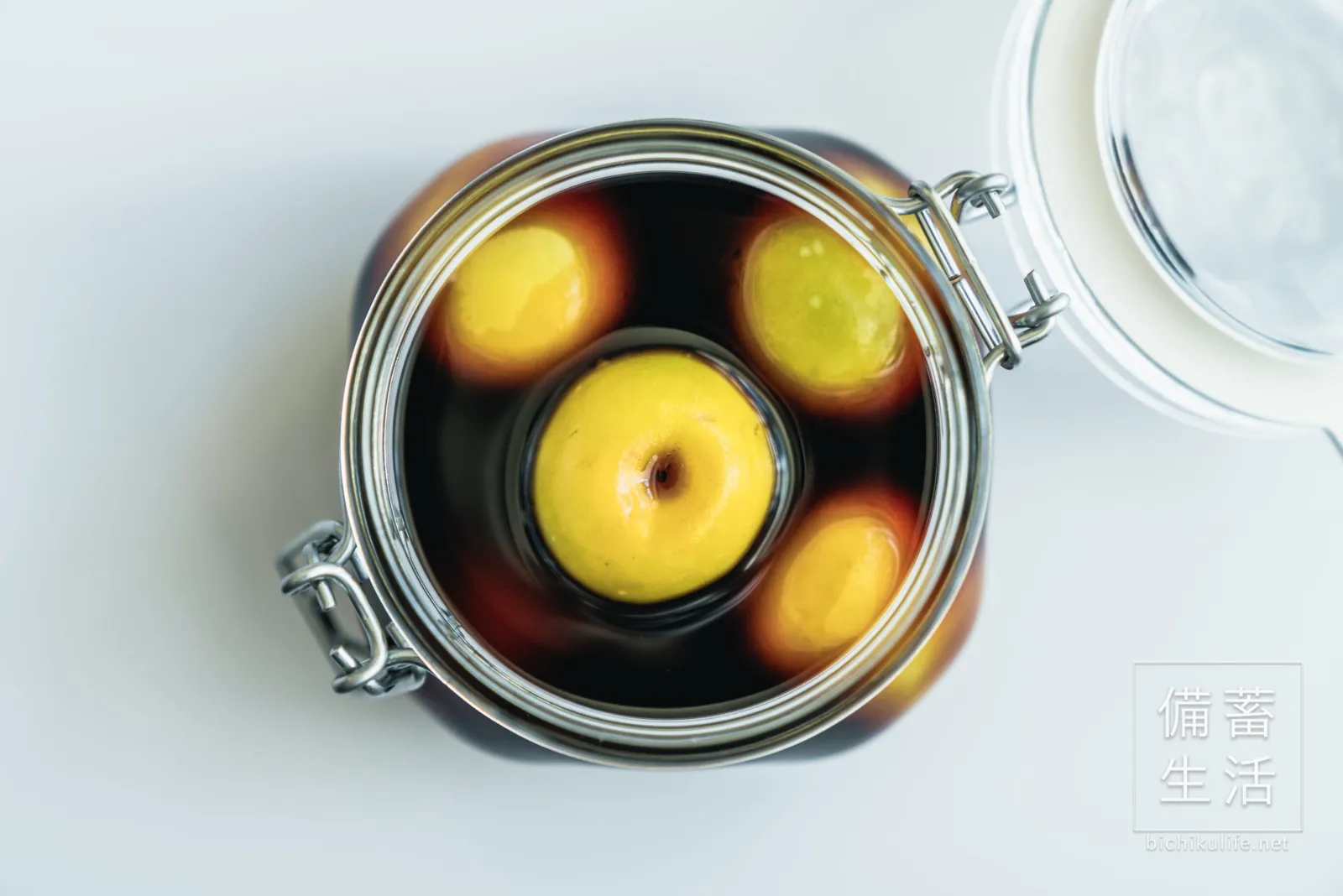
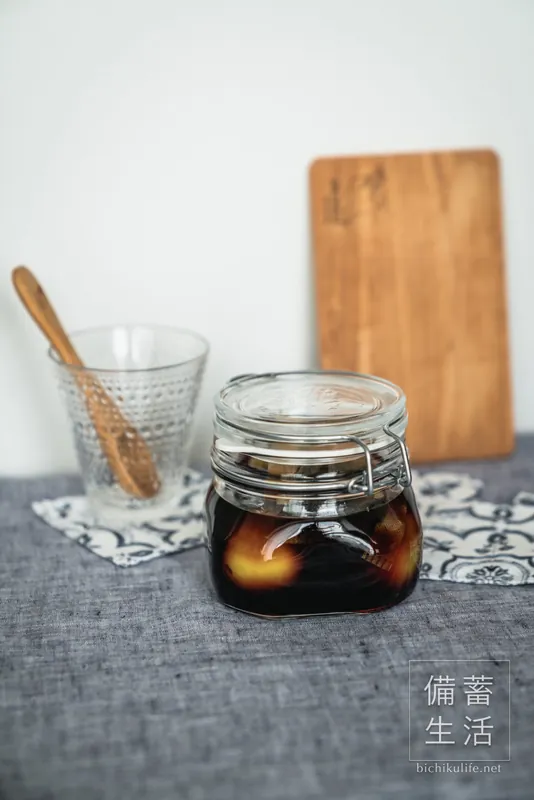
Pickling ume in soy sauce makes ume shoyu, soy sauce infused with the aroma and tartness of ume. Use it with sashimi, chilled tofu, or as a dipping sauce for somen noodles.
Red shiso juice
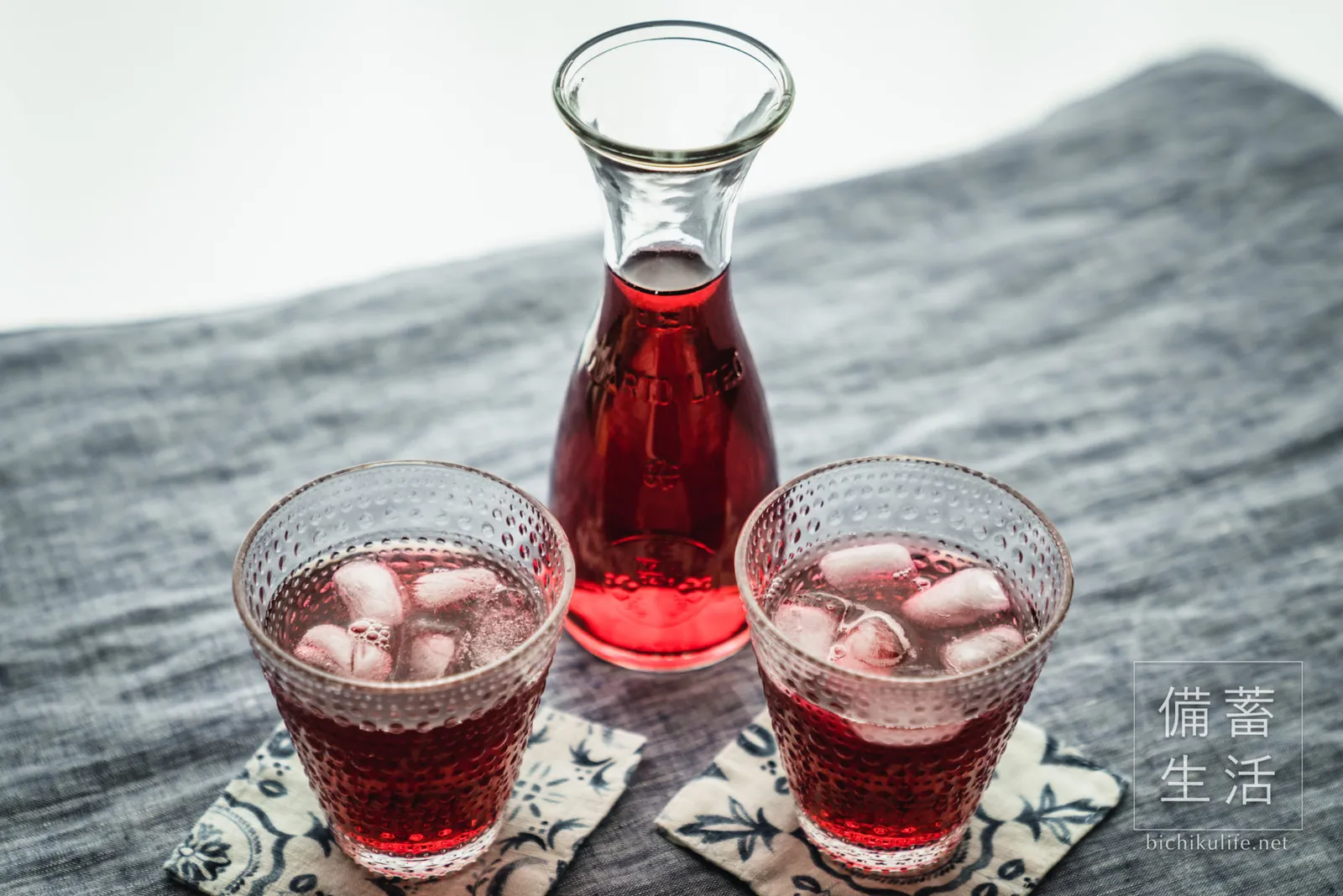
Buy a little extra red shiso for umeboshi and make a sweet-tart red shiso juice. You get to enjoy the aroma of red shiso a little before the umeboshi are ready.
Using what’s left from umeboshi
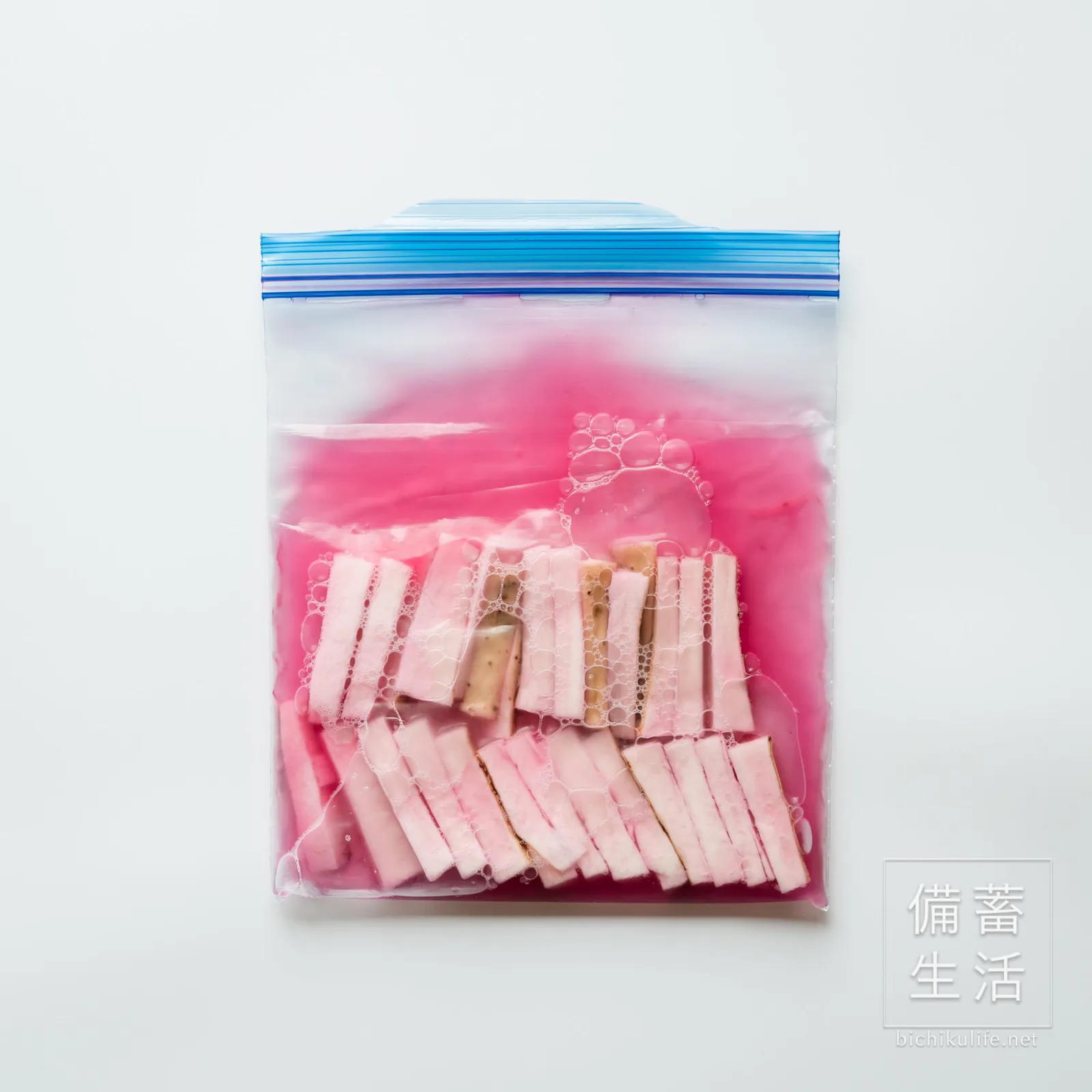
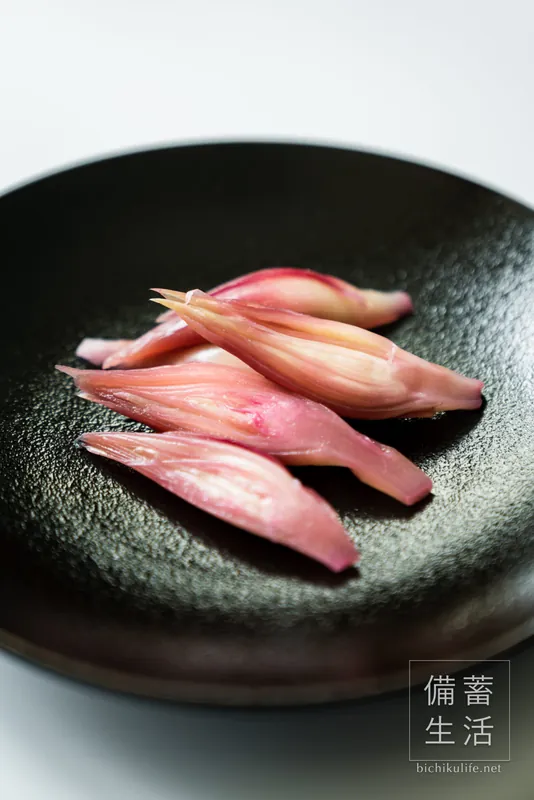
Making umeboshi leaves you with umezu, the brine drawn out of the ume, and the red shiso that was pickled with them. Neither needs to go to waste.
» Umezu pickles (myoga and nagaimo) » Yukari (red shiso rice seasoning)