Fruiting vegetables
Kabocha Squash NukazukeCook It First, Then Pickle
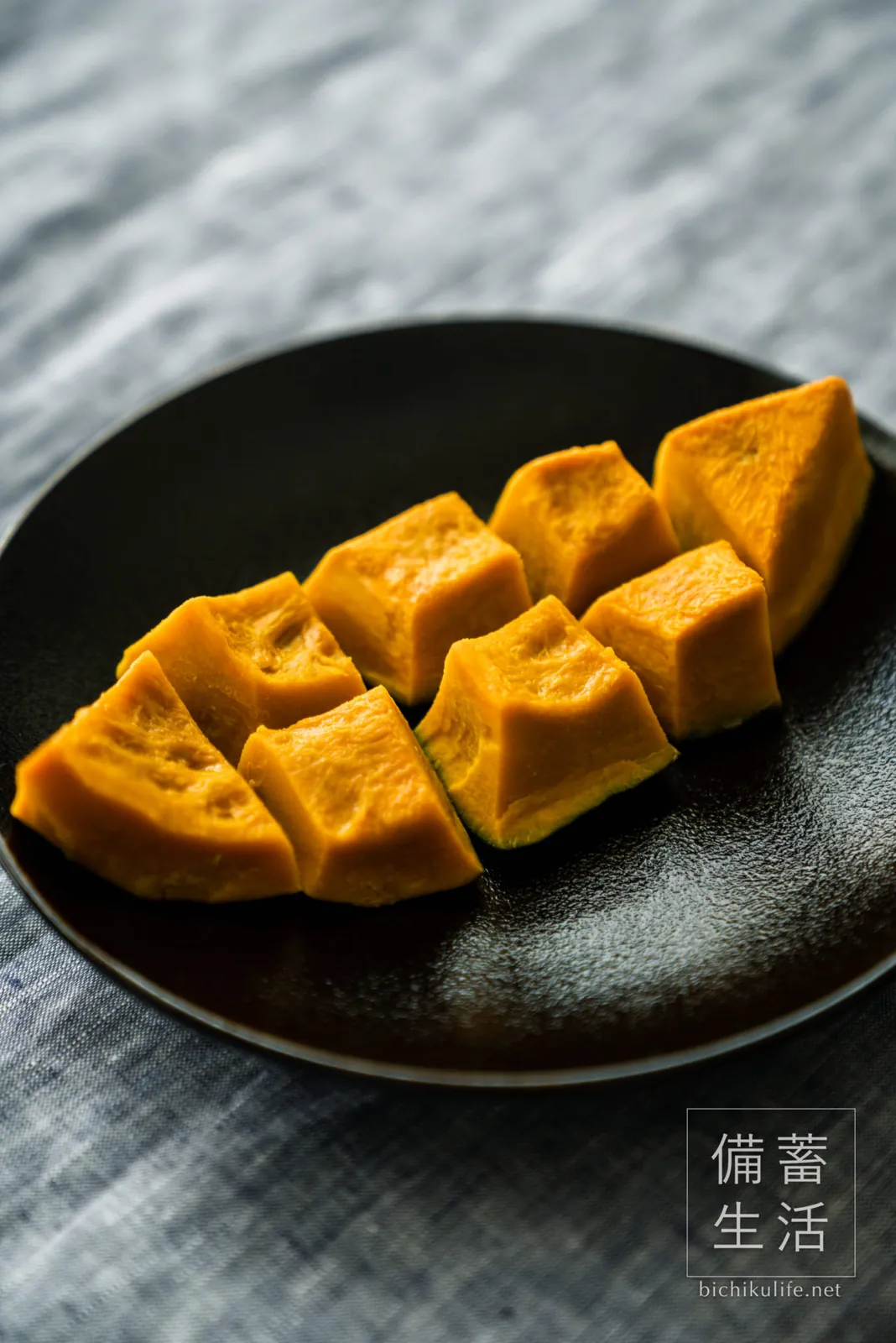
The dense, sweet flesh of kabocha, a Japanese winter squash, goes well with the salty bran. Kabocha is sold in many supermarkets outside Japan; buttercup squash is similar.
You can pickle it raw, but cooking it first is better. Raw kabocha needs to be sliced thinly or it barely pickles, and when we tried it, the sweetness didn’t come through and the grassy taste stood out.
| Prep | Cut into bite-sized pieces, cook until tender and cool |
|---|---|
| Pickling time | 24 hours or more |
| After pickling | Keep in the fridge and eat by the next day |
Pickling times are for a nuka bed kept in the fridge. At room temperature it pickles faster, and faster still in summer. The saltiness of your bed also makes a difference.
How to make kabocha nukazuke
- Wash: Leave the skin on. Scrub it well with a brush.
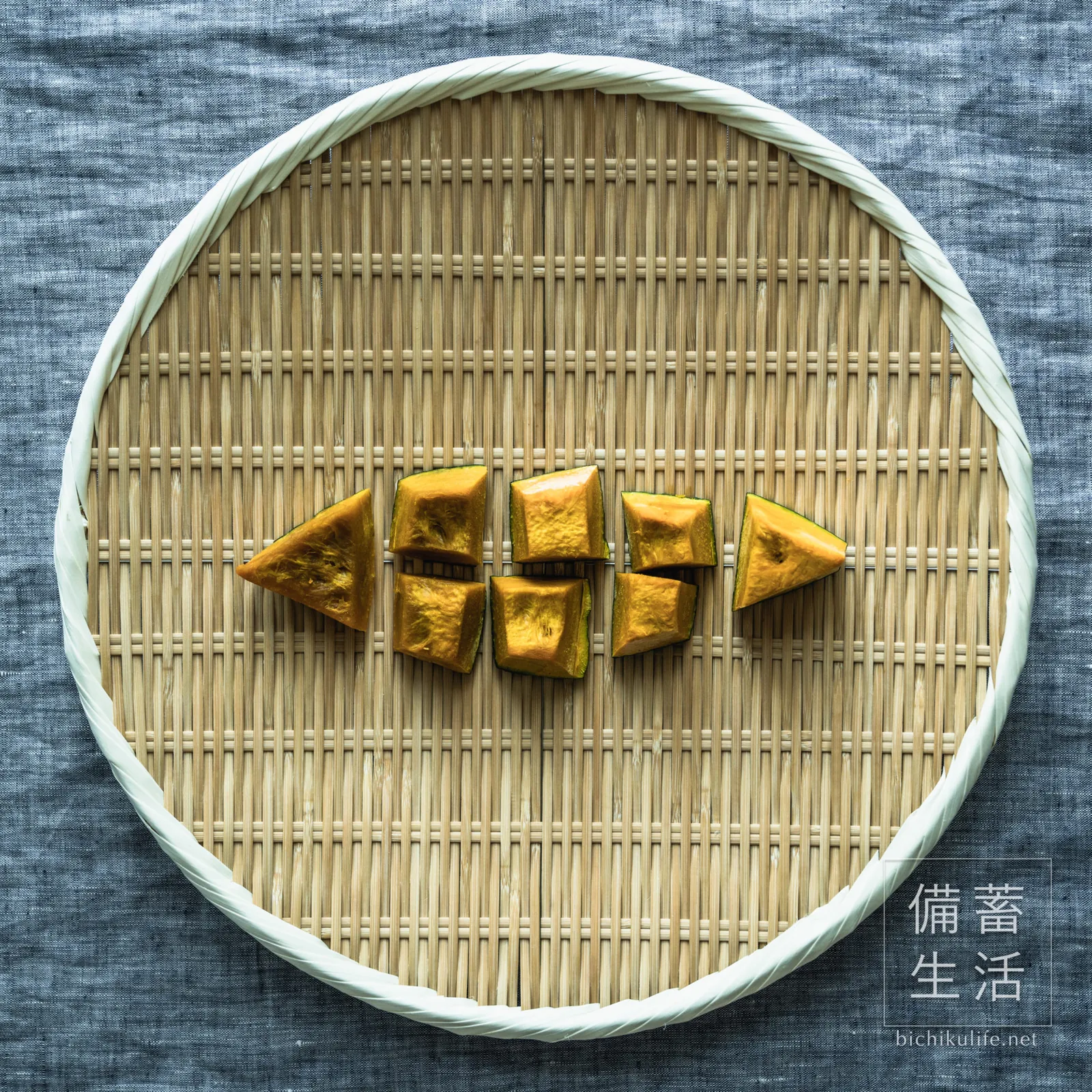
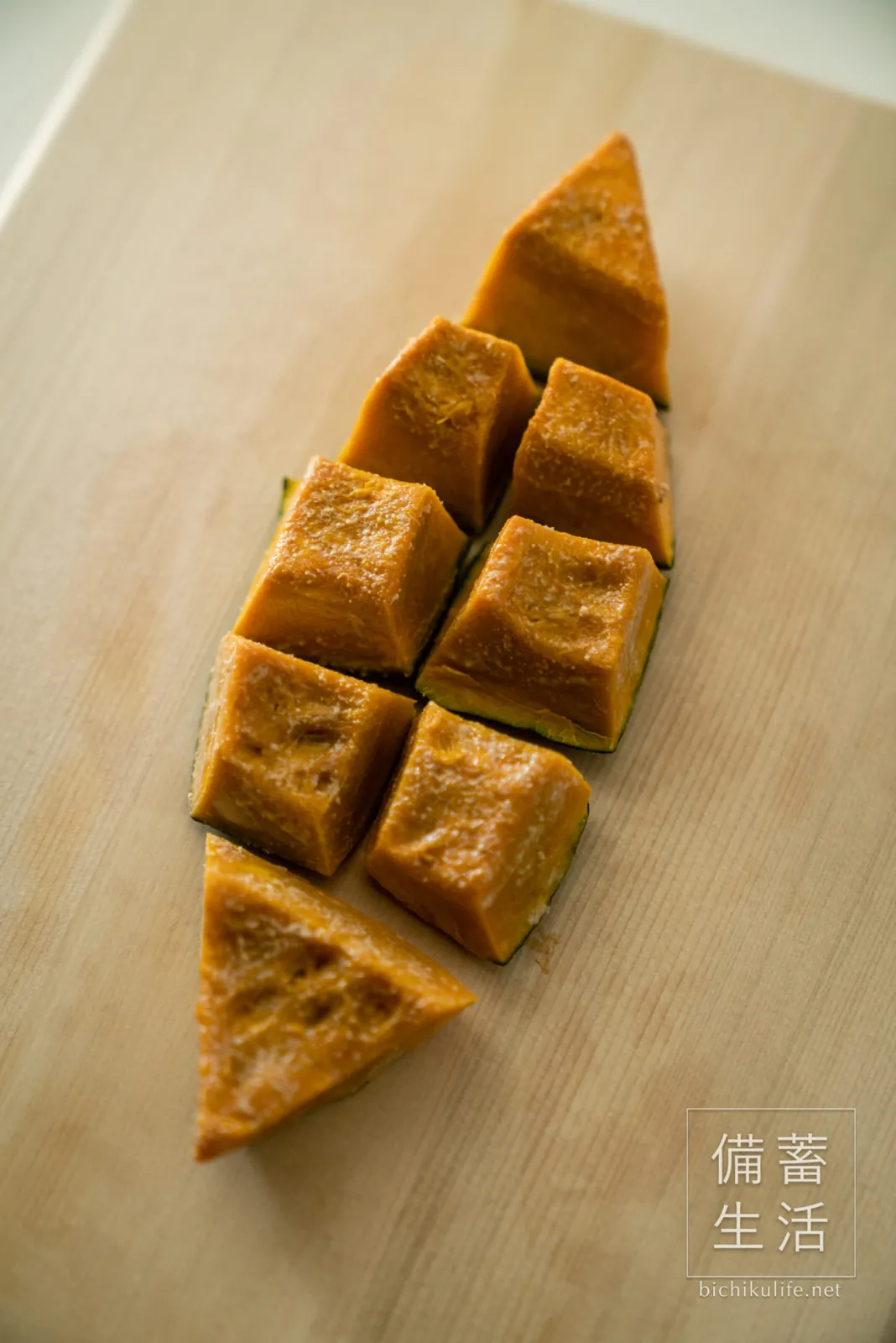
- Cut: Scoop out the seeds and pulp, and cut into bite-sized pieces of 3–4 cm (1¼–1½ in). Kabocha is hard, so be careful with the knife. Microwaving it for 1–2 minutes makes it easier to cut.
- Cook: Boil, steam or microwave until a skewer goes in easily.
- Cool completely: Putting warm food in the bed weakens the lactic acid bacteria. Once it’s completely cool, pat dry.
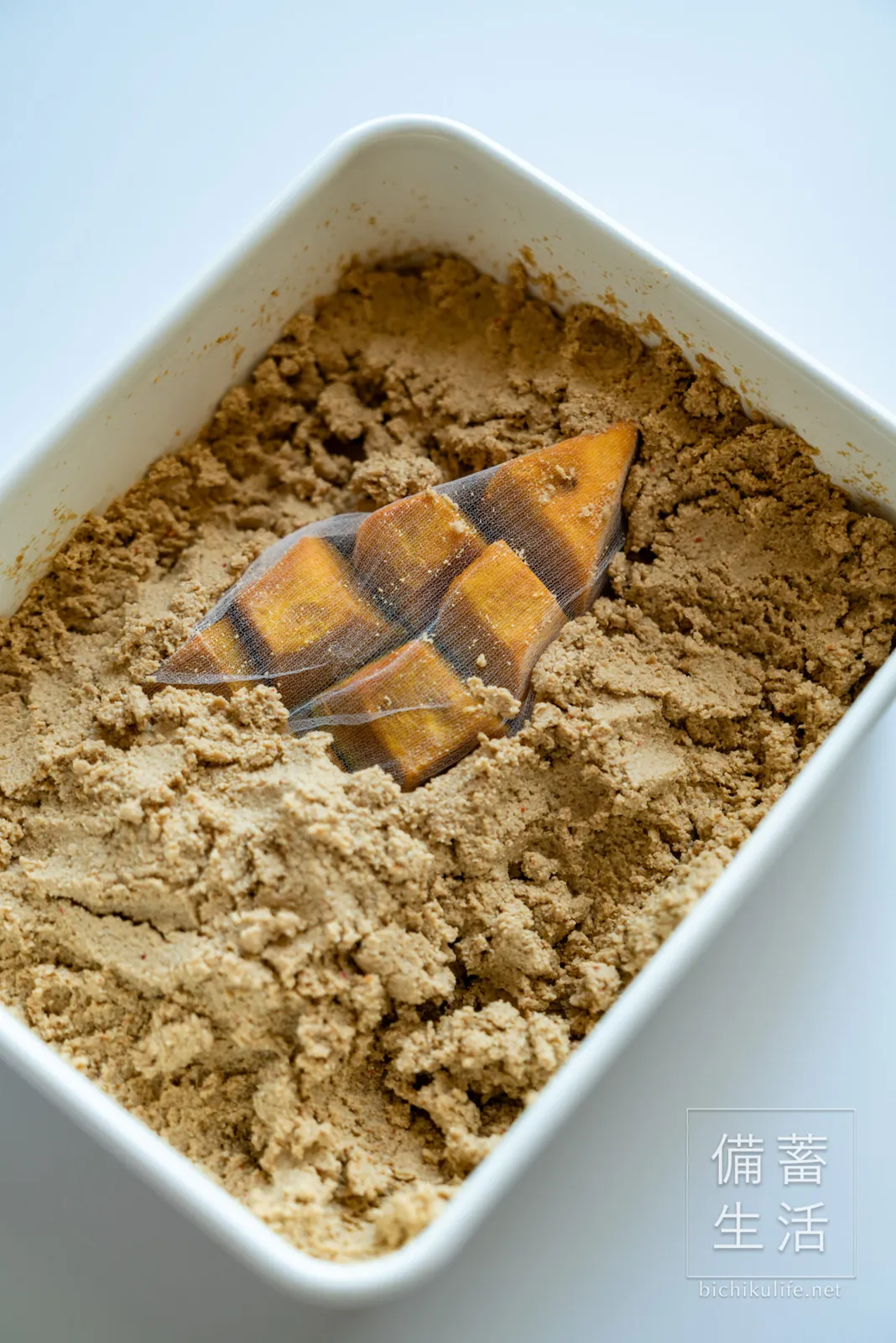
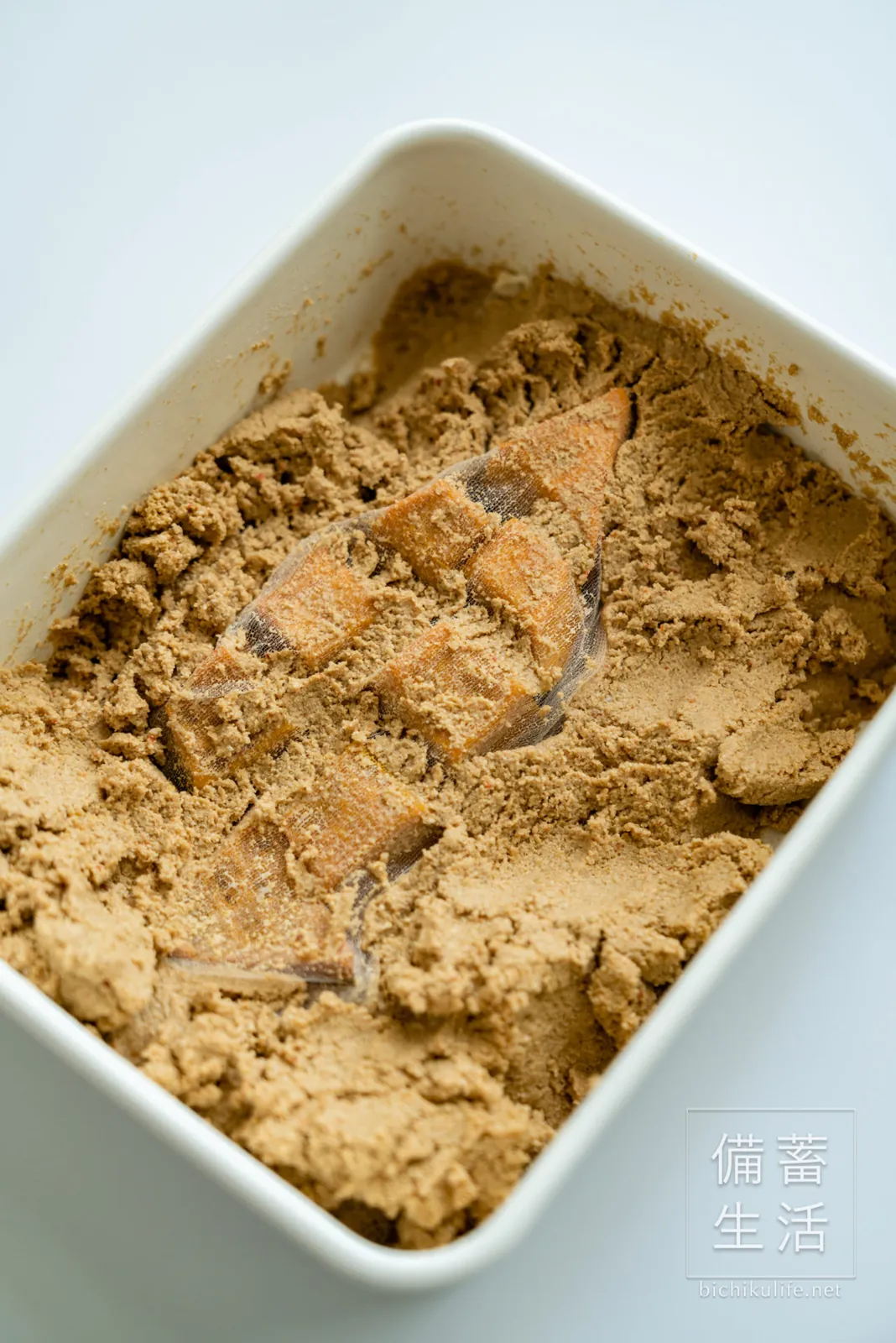
- Pickle: Cooked kabocha falls apart easily, so put it in a mesh bag or cheesecloth to make it easy to take out.
- Take it out: Lift out the bag and wipe off the bran gently. It breaks easily, so rinse it quickly.
From bed to plate
How to eat it
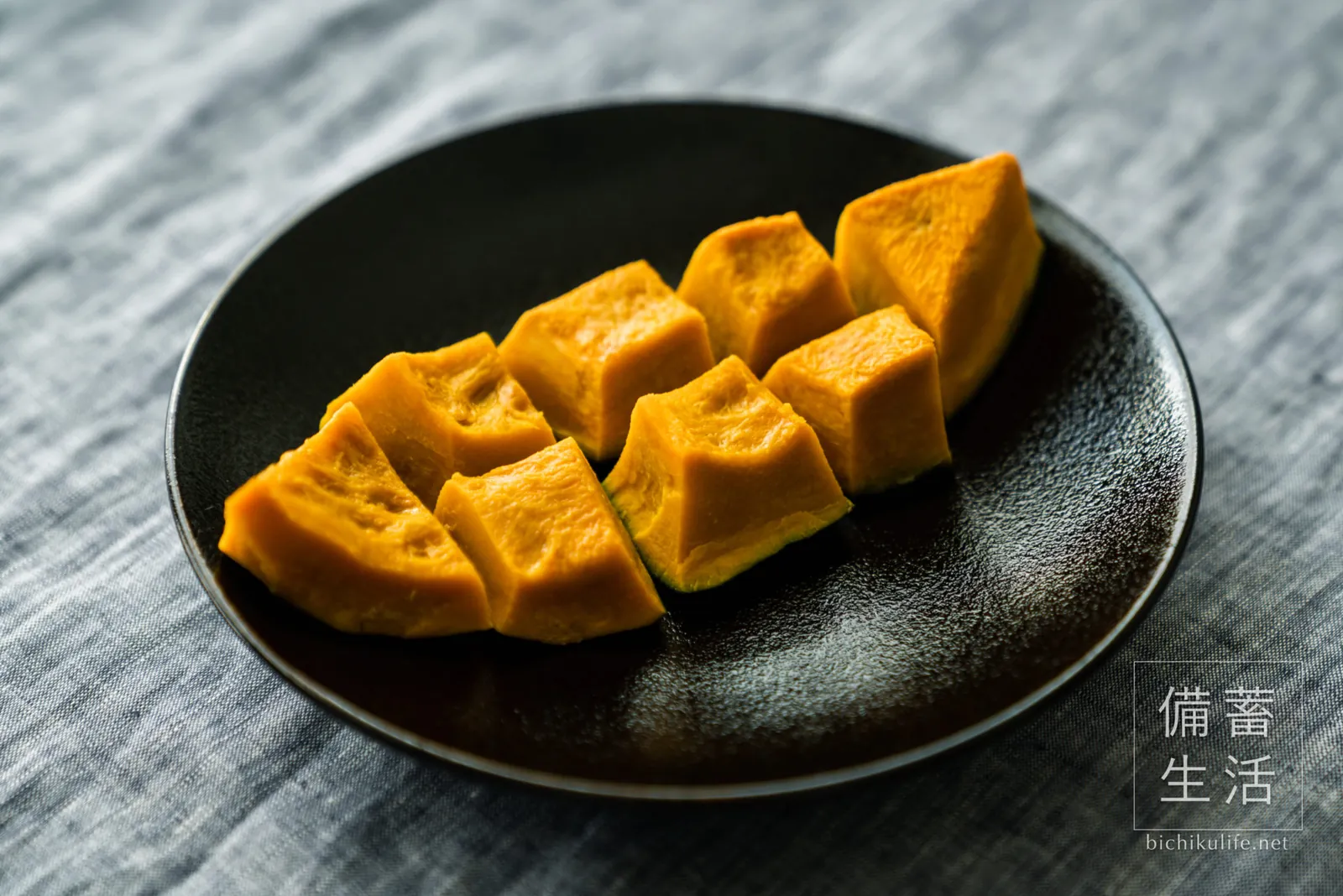
- As is: Sweet and salty, good as a snack with tea.
- As a salad: Mash and mix with mayonnaise for a kabocha salad with a hint of bran.
Care for your bed is covered in Caring for a Nuka Bed. To dry it instead, see dried kabocha.