Caring for a Nuka BedStirring, and Fixing a Watery, Sour or Moldy Bed, Strange Smells and Going Away
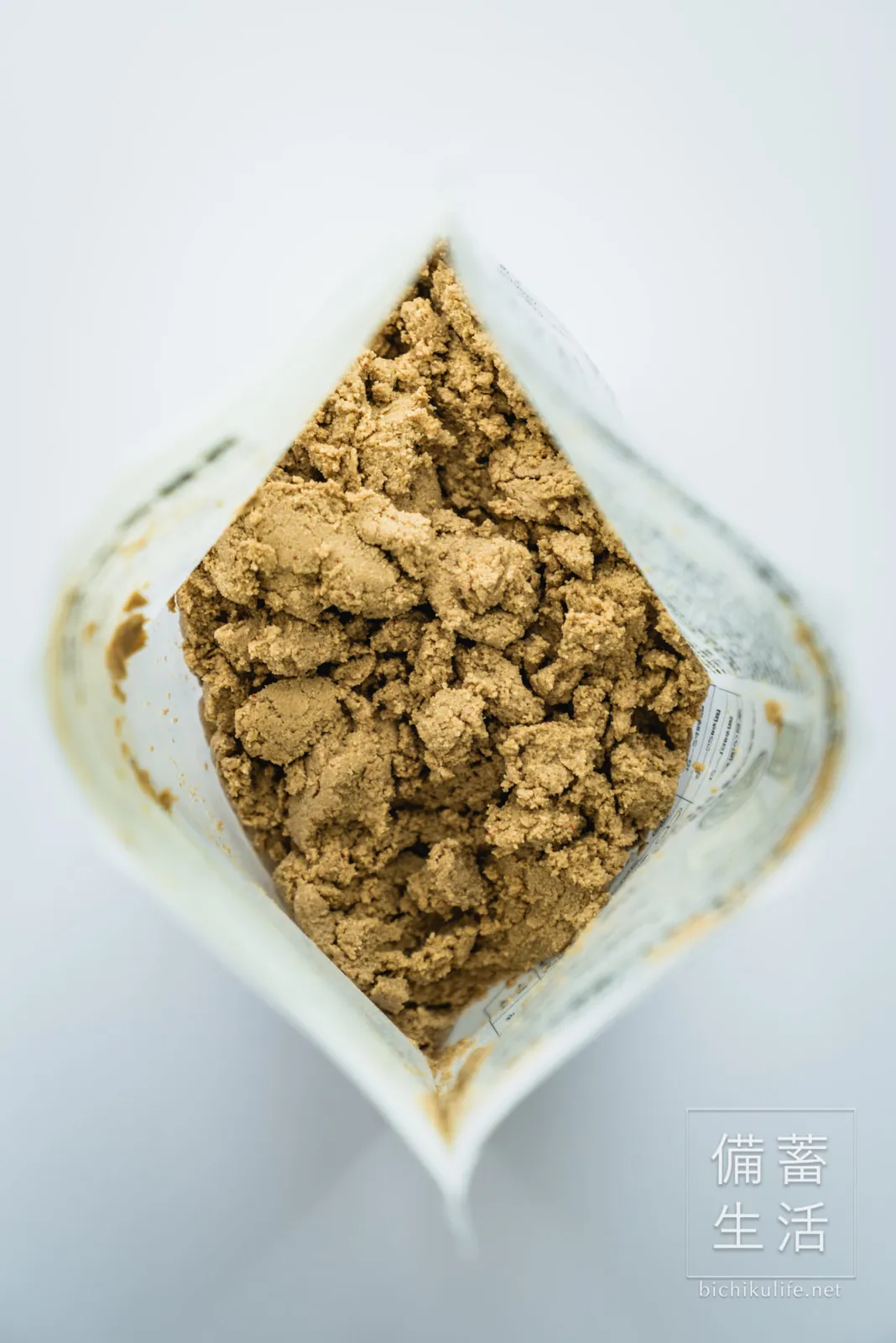
People in Japan often say a nuka bed is alive. Its taste and smell change with the balance of microbes such as lactic acid bacteria and yeasts. Care comes down to two things: stirring well, and keeping the moisture and salt in balance.
This page covers daily care and how to fix common problems. If you are about to make a bed, see How to Make a Nuka Bed.
Daily care
Stirring
| Where you keep it | How often to stir |
|---|---|
| Room temperature (20–25°C / 68–77°F) | Once or twice a day (twice in summer) |
| Fridge | Every 2–3 days |
| Ready-made fermented bed (in the fridge) | About once a week (follow the package) |
Stir from the bottom up, turning the top and bottom over. A nuka bed holds lactic acid bacteria that dislike air together with yeasts that like it. Stirring changes how much air gets in, which keeps any one of them from taking over.
After stirring, press down with your hands to push out the air and smooth the surface. Wipe off bran stuck to the sides of the container with a paper towel; it can grow mold.
Clean hands
Wash your hands well before stirring. Leftover hand cream or soap can make the bed smell.
Stir even when nothing is in it
Keep stirring on days when you are not pickling anything.
Common problems and how to fix them
The bed is watery
When water from the vegetables builds up, the bed becomes loose and the pickles taste weak.
- Soak it up with paper towels: If water pools on top, blot it with paper towels.
- Make a hollow: Press a dip into the middle of the bed. Water collects there, and you can scoop it out with a spoon.
- Add more bran: Mix 6–10 g of salt into 100 g (3.5 oz) of bran, and add it to firm the bed back up.
- Add dried shiitake or kombu: They soak up water and add umami.
The pickles are too sour
If the lactic acid bacteria grow too much, the pickles turn sour. This tends to happen in hot weather or when you stir less often.
- Add more bran: Add fresh bran and salt to dilute the sourness.
- Stir well: Letting air in slows down the lactic acid bacteria.
- Move it somewhere cooler: In summer, moving it to the fridge slows fermentation.
- Mix in a little mustard powder: An old Japanese trick that slows fermentation.
Too salty, or too weak
- Too salty: Pickle for a shorter time, or add plain bran (no salt) to dilute the salt.
- Weak, or the vegetables don’t pickle: The bed is short on salt or too watery. Add a little salt and remove water.
A white film on top
A thin white film on the surface is usually a kind of yeast called kahm yeast (sanmaku kobo), not mold. It shows up when the bed isn’t stirred often and the surface stays in contact with air.
- Skim it off thinly, or stir it in. A little is fine to mix in.
- If it grows a lot, the smell and taste suffer, so stir more often.
Mold
Fuzzy, cotton-like growth that is blue, green, black or pink is mold.
- Spoon out the moldy part along with plenty of the bran around it.
- Sprinkle a little salt on the surface and mix well.
- If the mold has spread widely or the bran is discolored deep inside, don’t try to save it. Make a new bed.
Strange smells
- Like paint thinner or nail polish remover: A sign of too much kahm yeast. Stir well from the bottom, burying the surface bran deep inside.
- Musty, like old socks: A sign that bacteria that dislike air (butyric acid bacteria) have grown. Stir more often to let air in.
- A strong, rotten smell: If stirring doesn’t help, it is safer to start over.
When you go away
How to look after the bed when you can’t stir it for a few days or longer.
- A few days: put it in the fridge. Even a bed kept at room temperature is fine for a few days in the fridge without stirring.
- 1–2 weeks: cap it with salt. Take out all the vegetables, smooth the surface, cover it with a layer of salt about 1 cm (½ in) thick, and put it in the fridge. When you come back, remove the salt layer and stir.
- Longer: freeze it. A nuka bed can be frozen. Divide it into freezer bags and freeze. To use it again, thaw it slowly in the fridge and stir well.
When the bed gets smaller
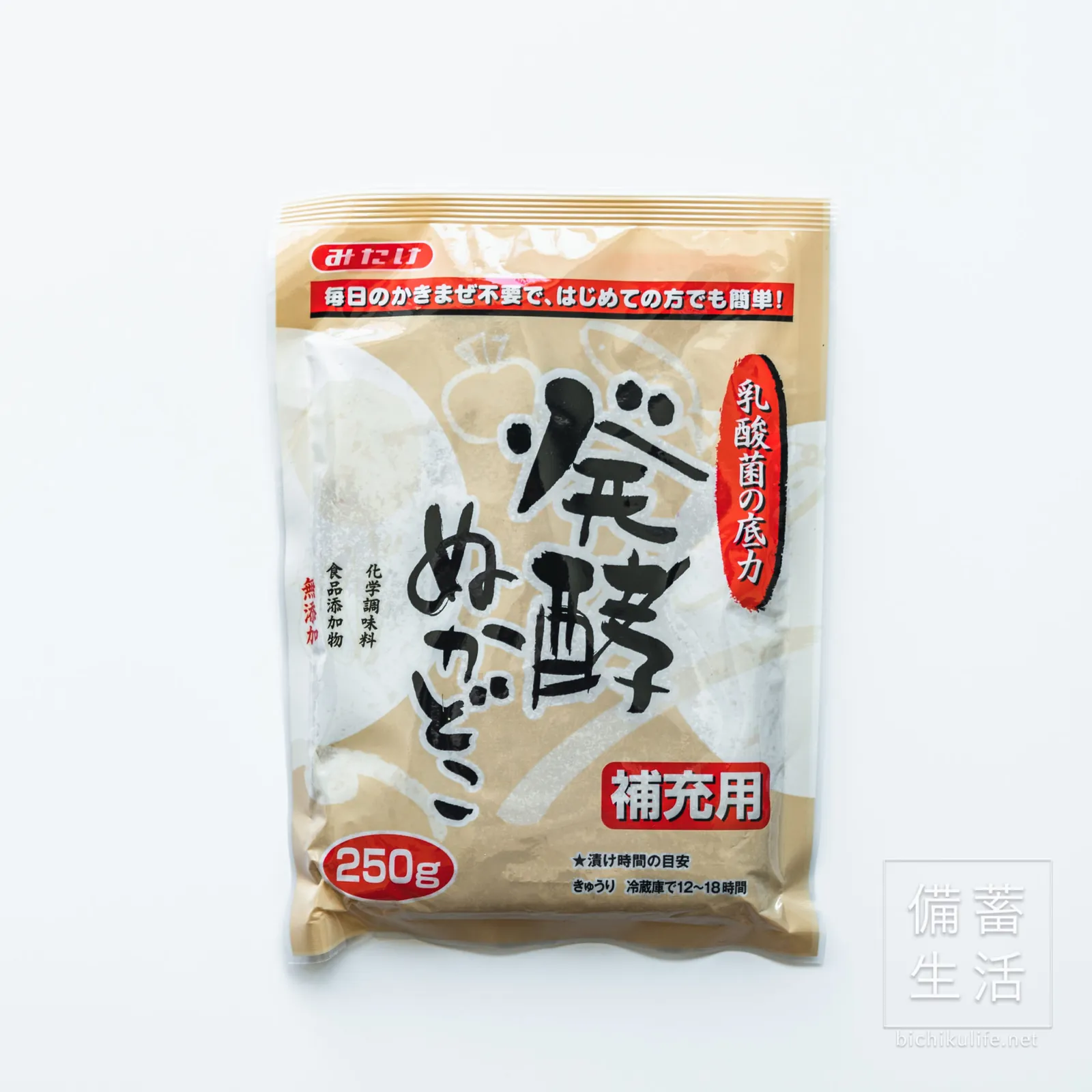
A little bran comes out on every vegetable you pickle, and the bed also gets wetter over time. When it shrinks, add more bran.
- Mix 6–10 g of salt into 100 g (3.5 oz) of fresh or toasted bran, and add it to the bed.
- Ready-made nuka beds often sell refill bran.
Pickling meat, fish, eggs and cheese
When you pickle meat, fish, eggs or cheese, take out a little bran and pickle in plastic wrap or a zip-top bag, so the main bed doesn’t spoil. Throw away the bran you used. See all foods for how to pickle each one.