How to Make a Nuka Bed (Nukadoko)Ingredients, Starter Pickling, Where to Keep It, and Ready-Made Options
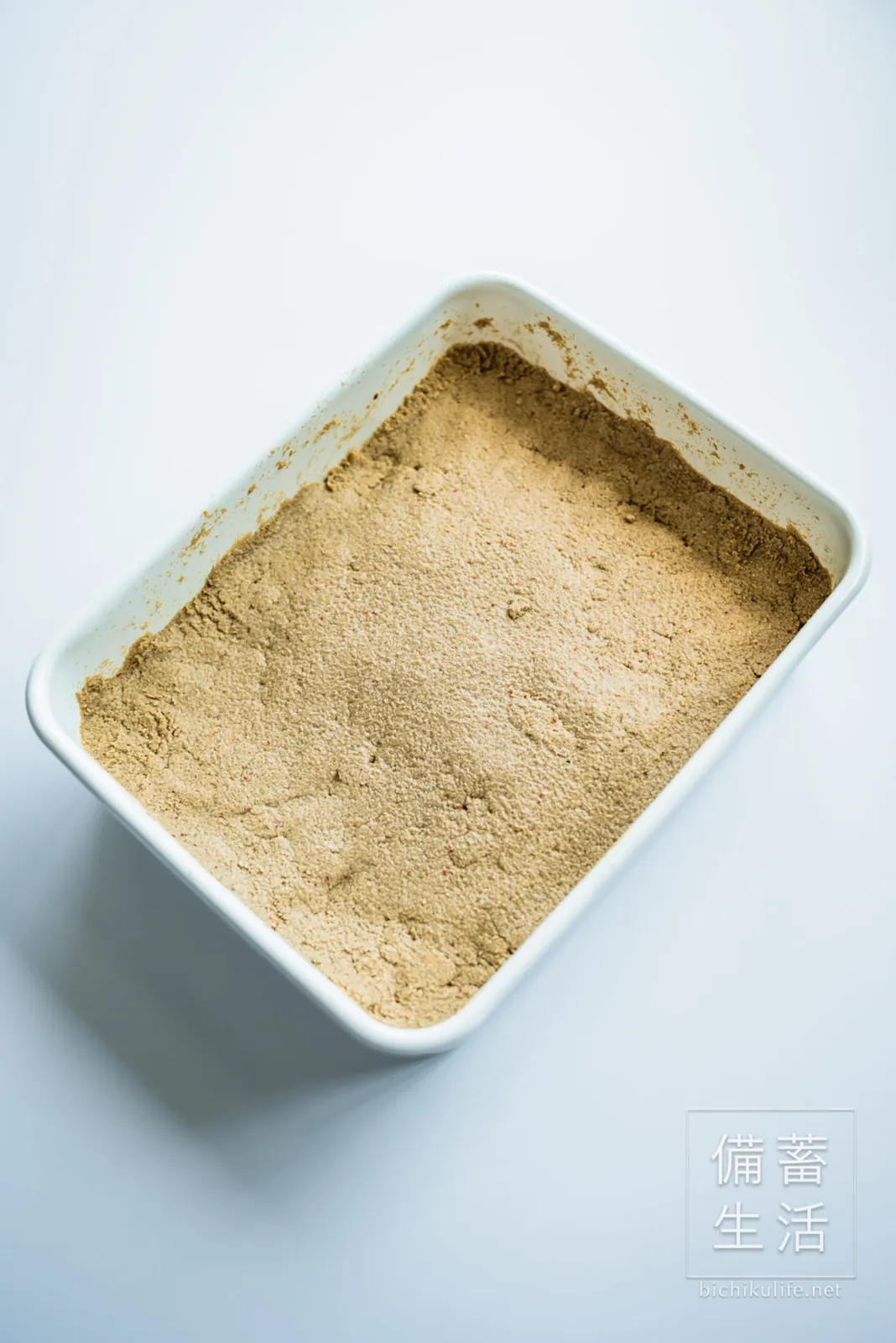
A nuka bed (nukadoko) is rice bran mixed with salt and water, in which lactic acid bacteria and other microbes are grown. A homemade bed takes 2 to 3 weeks to mature, but you get to raise it to the flavor you like.
If you want to start pickling today, a ready-made, pre-fermented nuka bed lets you pickle from the day you buy it (see the end of this page).
Ingredients
| Ingredient | Amount | What it does |
|---|---|---|
| Rice bran (fresh) | 1 kg (2.2 lb) | Food for the lactic acid bacteria |
| Salt | 120–130 g (about 4.2–4.6 oz), 12–13% of the bran | Keeps unwanted microbes out and seasons the pickles |
| Water | About 1 liter (about 4 cups) | Adjust until it feels like miso paste |
| Kombu (dried kelp) | 1–2 pieces, about 10 cm (4 in) square | Adds umami |
| Dried red chili peppers | 2–3 | Adds flavor and helps keep bugs away |
If you like, add dried shiitake mushrooms, ginger peel, yuzu or lemon peel, sansho peppercorns or bonito flakes for extra flavor.
Use plain salt. Sea salt or kosher salt without additives works well.
Fresh rice bran and toasted rice bran
- Fresh rice bran (nama-nuka): Bran straight from polishing rice. It is full of microbes and ferments quickly, but it spoils easily, so use it soon after buying. In Japan it is sold at rice shops and rice-polishing machines.
- Toasted rice bran (iri-nuka): Bran that has been toasted and dried. It keeps well and does not attract bugs, but it takes a little longer to start fermenting. This is the type you are most likely to find outside Japan.
Outside Japan, look for rice bran at Japanese or Asian grocery stores, or online. Make sure it is sold as food. Rice bran sold as animal feed or for gardening is not meant to be eaten.
Choosing a container
- Choose something that stands up to salt and acid, such as enamel, ceramic, glass or thick plastic. Avoid metal, which rusts in salt.
- A container that the bed fills about halfway to 70% is the easiest to stir.
- If you will keep it in the fridge, pick a size that fits, with a tight lid so the smell doesn’t spread.
How to make the nuka bed
- Make salt water: Put the water and salt in a pot and heat until the salt dissolves. Bring it to a boil once, then let it cool completely.
- Mix with the bran: Put the bran in a large bowl or the container. Add the salt water a little at a time, mixing well with your hands. When it feels about as firm as miso paste, you have the right amount of water.
- Add the kombu and chili: Bury the kombu and chili peppers in the bran.
- Smooth the top: Press down with your hands to push out the air and level the surface. Wipe off any bran stuck to the sides of the container.
Starter pickling (growing the bed)
A brand-new bed doesn’t have enough lactic acid bacteria yet. You grow them by pickling vegetable scraps, called sutezuke (throwaway pickling).
- Bury vegetable scraps: Use outer cabbage leaves, daikon or carrot peels, stems and so on. The lactic acid bacteria on the vegetables move into the bed and get the fermentation going.
- Stir every day: Once or twice a day, mix from the bottom up.
- Swap the scraps every 2–3 days: Take out the scraps (throw them away instead of eating them) and put in fresh ones. Squeezing the liquid from the old scraps back into the bed speeds up fermentation.
- Keep going for 1–2 weeks: The bed is ready when it smells pleasantly sweet and sour, like lactic fermentation. Taste one of the scraps; if it is slightly sour, you can start pickling for real.
At room temperature (20–25°C / 68–77°F) this takes 1–2 weeks. It takes longer in cool weather or in the fridge.
Where to keep it
- At room temperature: A cool spot out of direct sunlight, around 20–25°C (68–77°F), such as a pantry or a room on the shady side of the house. Fermentation is faster and the pickles taste deeper, but you need to stir every day.
- In the fridge: Fermentation is slow, so stirring every 2–3 days is enough. Pickling takes longer than at room temperature. This is the easiest choice in summer or if daily care is hard. All the pickling times on this site are for pickling in the fridge.
In summer, a bed at room temperature can over-ferment and turn sour, so moving it to the fridge just for the summer is a good option.
Once you start pickling
- Wash the vegetables and pat them dry before pickling.
- Bury them completely in the bran and smooth the surface.
- For care and troubles such as smells and mold, see Caring for a Nuka Bed.
- See all foods for how to pickle each one. Cucumber and cabbage, which pickle quickly, are good to start with.
Starting with a ready-made nuka bed
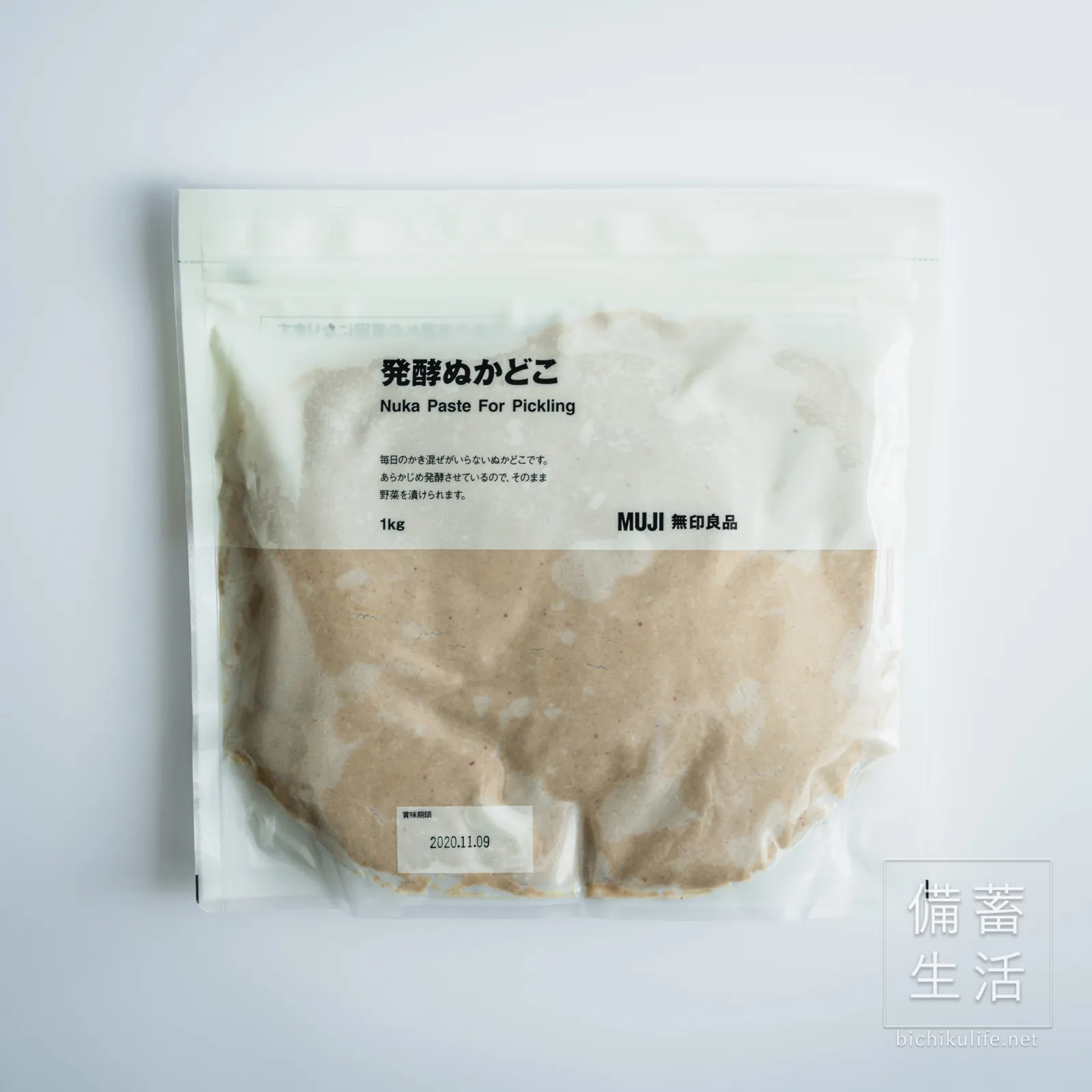
Making a nuka bed takes time and work. If you just want to try nukazuke, a ready-made bed that has already been fermented is handy.
- You can pickle from the day you buy it
- Many can be used in the bag, in the fridge
- Some need stirring only about once a week
On this site we pickle with Muji’s fermented nuka bed (hakko nukadoko). How to use it, and what our pickles were like, is in Muji’s Fermented Nuka Bed.