Jars and bags
Jars and Bags for Preserved FoodsMUJI Soda Glass Jars, WECK and Ziploc
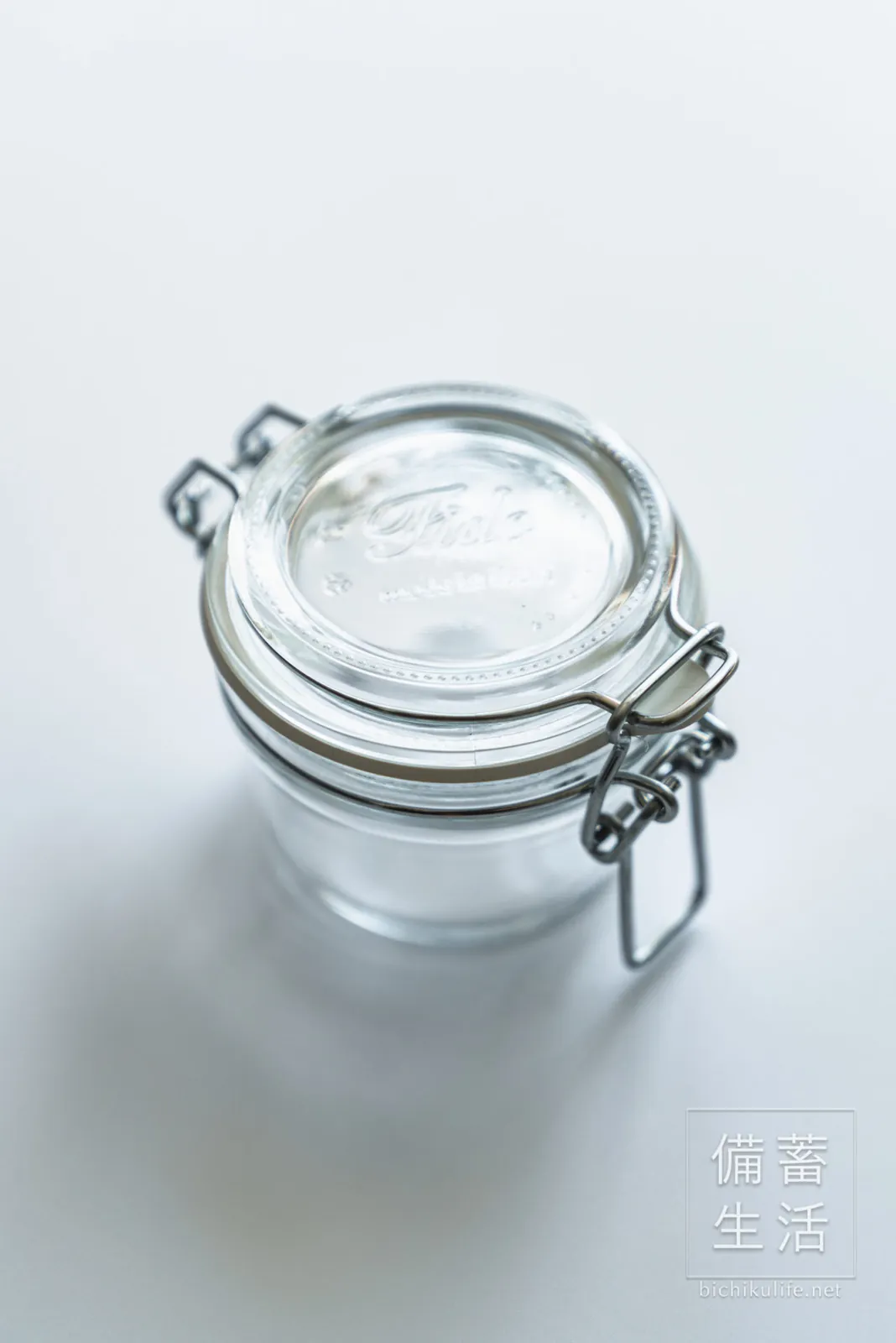
Ume syrup and fruit liqueurs, pickles and rakkyo, dried vegetables. Here are the jars and bags we keep our preserved foods in.
| Container | What we keep in it |
|---|---|
| MUJI soda glass storage jar (soda glass, 5 sizes from 170 to 1,000 ml) | Ume syrup, fruit liqueurs, pickles, rakkyo, dried vegetables |
| WECK jar (glass, many shapes and sizes) | Rakkyo, basil paste, roasted brown rice |
| Ziploc bag (polyethylene, S, M and L) | Umeboshi while salting, sauerkraut, dried vegetables, small batches in the nukadoko |
MUJI soda glass storage jar
MUJI’s soda glass storage jar is the Fido jar made by the Italian glassware maker Bormioli Rocco, sold under the MUJI name. Outside Japan, the same style of jar is easy to find as the Bormioli Rocco Fido.
- Made in Italy
- Body: soda glass. Clamp: metal wire. Gasket: synthetic rubber
Five sizes
| Capacity | Weight | Outside dimensions |
|---|---|---|
| 170 ml (5.7 fl oz) | about 400 g (14 oz) | about 8 cm across × 7 cm tall (3⅛ × 2¾ in) |
| 225 ml (7.6 fl oz) | about 500 g (1.1 lb) | about 8 × 8 cm (3⅛ × 3⅛ in) |
| 500 ml (17 fl oz) | about 600 g (1.3 lb) | about 10.5 × 10 cm (4⅛ × 4 in) |
| 750 ml (25 fl oz) | about 710 g (1.6 lb) | about 10.5 × 13.5 cm (4⅛ × 5¼ in) |
| 1,000 ml (34 fl oz) | about 950 g (2.1 lb) | about 10.5 × 16 cm (4⅛ × 6¼ in) |
The large 750 ml and 1,000 ml jars are just right for ume syrup and fruit liqueurs.
Sterilizing and handling
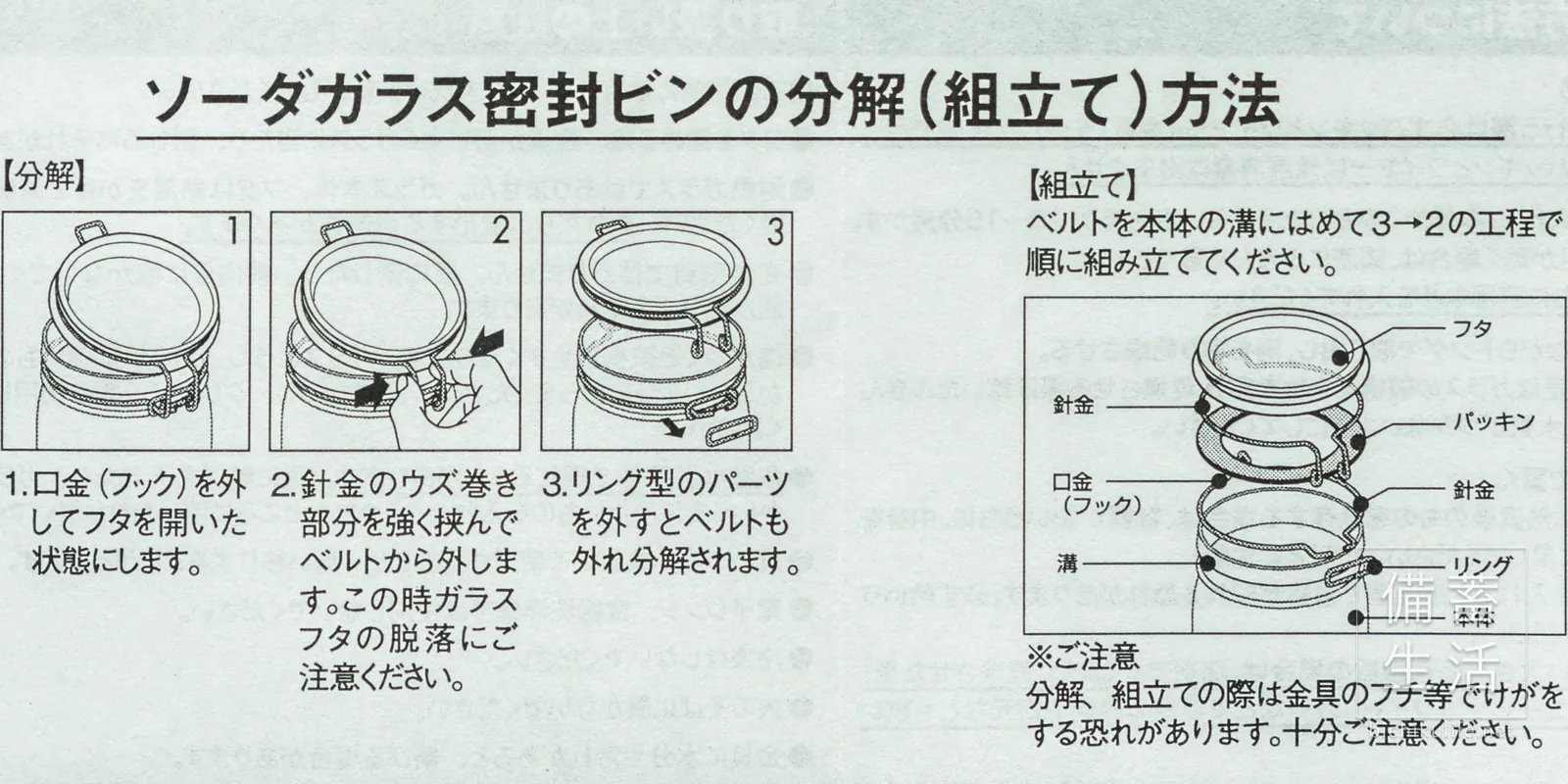
The wire clamp and the gasket come off the lid. The instructions that came with our jars described boiling to sterilize them like this:
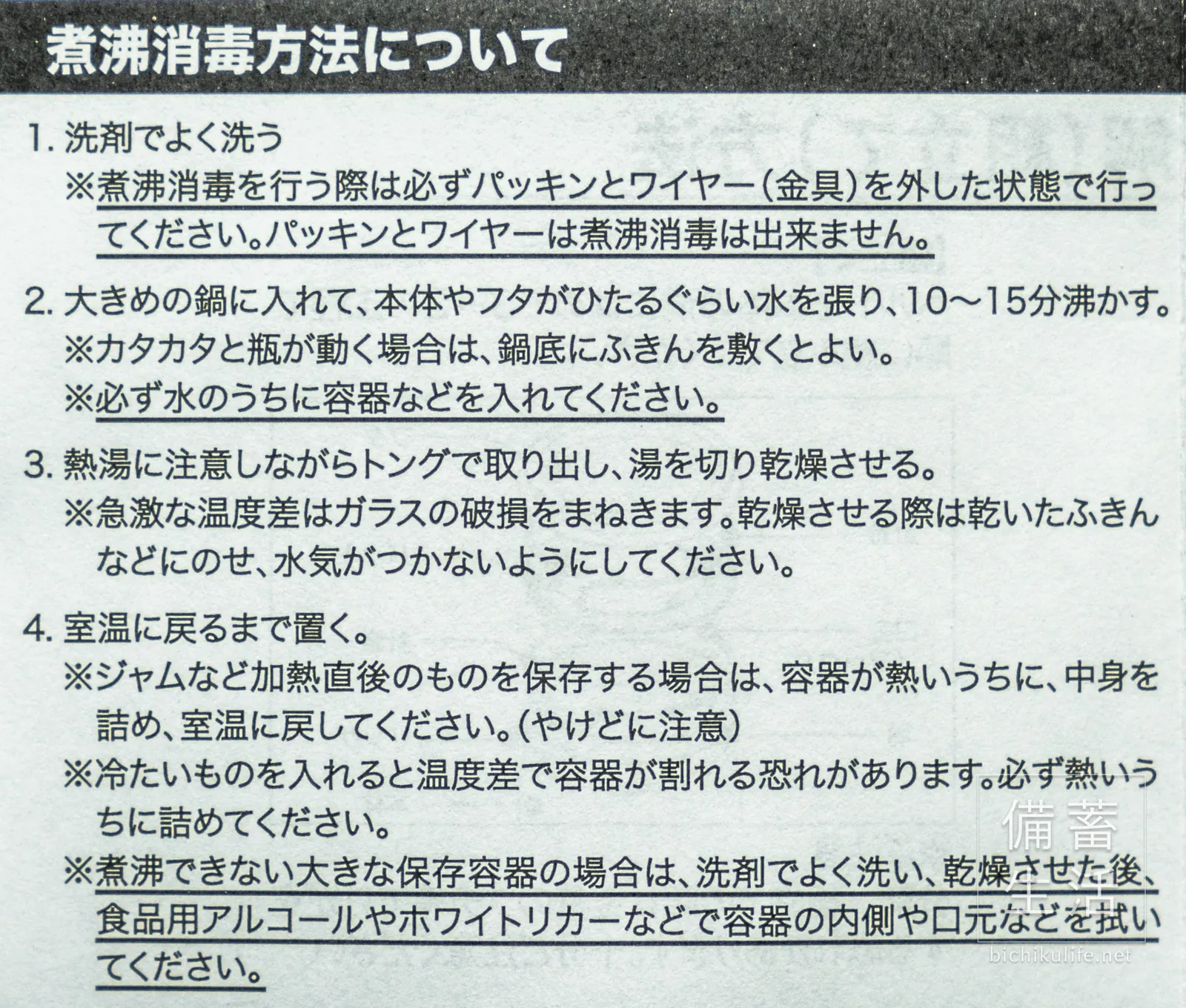
- Wash well with detergent. Remove the gasket and the wire clamp before boiling; they cannot be boiled.
- Put the jar and lid in a large pot with enough water to cover them, and boil for 10–15 minutes. Always put the jar in while the water is still cold. If the jar rattles, lay a cloth on the bottom of the pot.
- Lift it out with tongs, taking care with the hot water, drain and let it dry. A sudden change in temperature can crack the glass, so set it on a dry cloth.
- Leave it until it returns to room temperature. For something just cooked, like jam, fill the jar while it is still hot (putting something cold in a hot jar can crack it).
For containers too big to boil, the instructions say to wash them well with detergent, dry them, then wipe the inside and rim with food-grade alcohol or white liquor (a neutral spirit).
From the same sheet, the handling notes that matter for preserving:
- It is not heat-resistant glass. Do not sterilize the glass body or lid by pouring boiling water over them; they may crack or warp.
- It is not completely airtight. Do not lay it on its side, or liquid may leak.
- It can crack with sudden changes in temperature. Do not pour boiling water into it suddenly, put cold food in while the glass is warm, or set it down on a wet surface.
- Strong-smelling foods may leave their smell in it.
- Do not use it in a microwave or dishwasher, and do not freeze it.
Products change, so check the instructions that come with your own jars too.
For dried vegetables and fruit
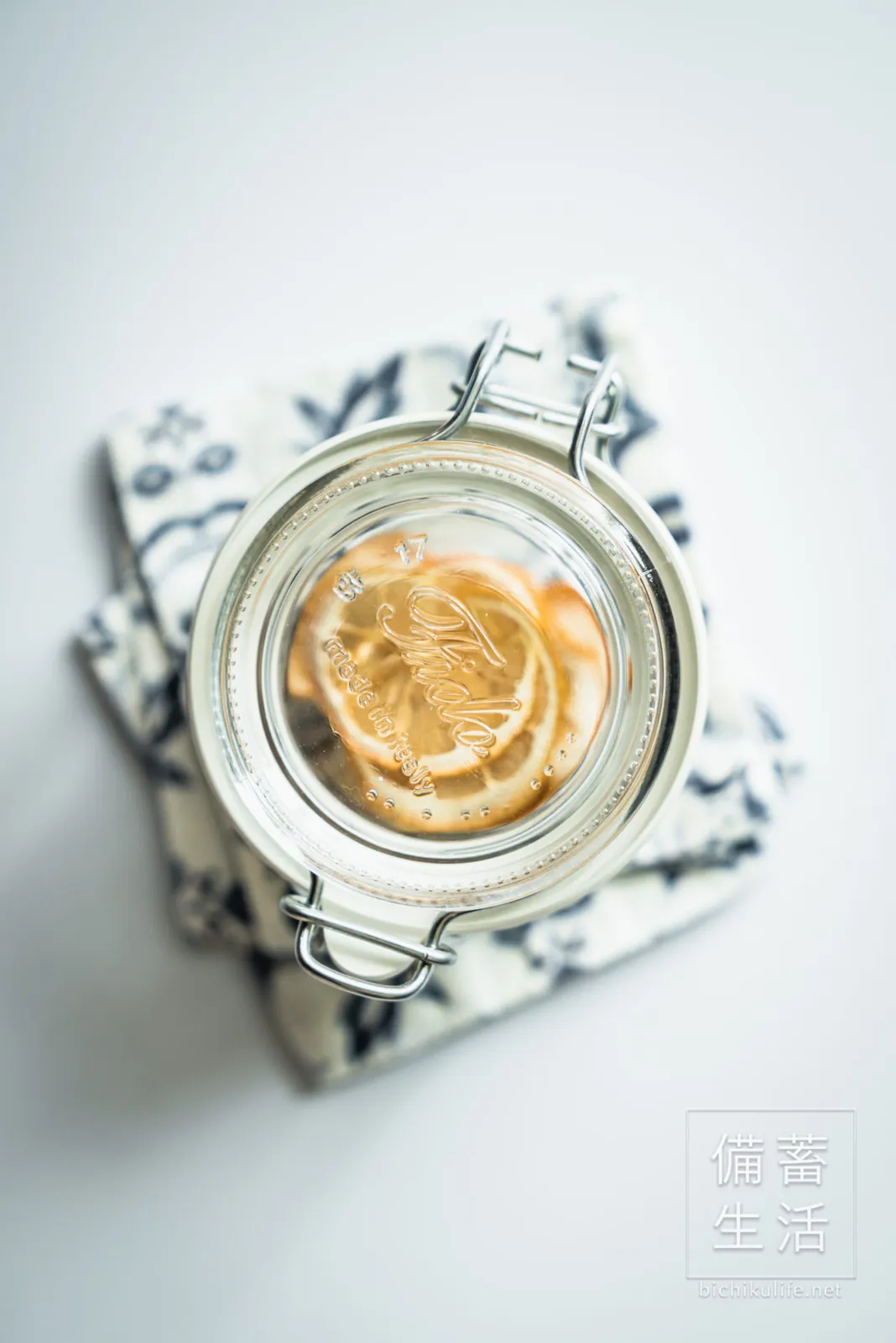
Once vegetables and fruit are fully sun-dried, we keep them in containers. A zip-top bag is fine if all you want is to store them, but pretty things like dried lemon and herbs look lovely in a glass jar.
For how to dry them, see Dried Vegetables.
For ume syrup and fruit liqueurs
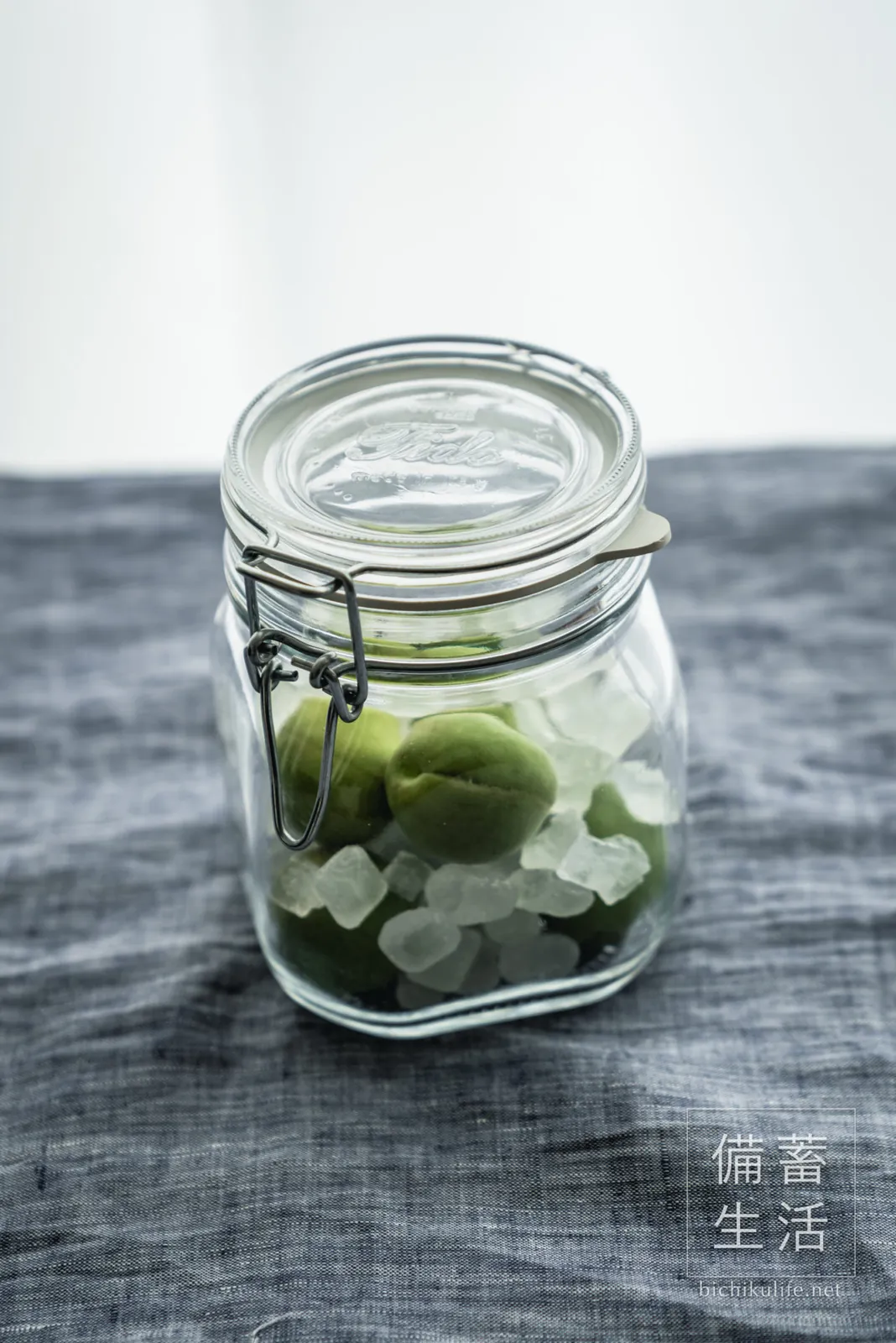
The photo shows ume syrup in a 750 ml jar.
For pickles, rakkyo and other strong-smelling preserves
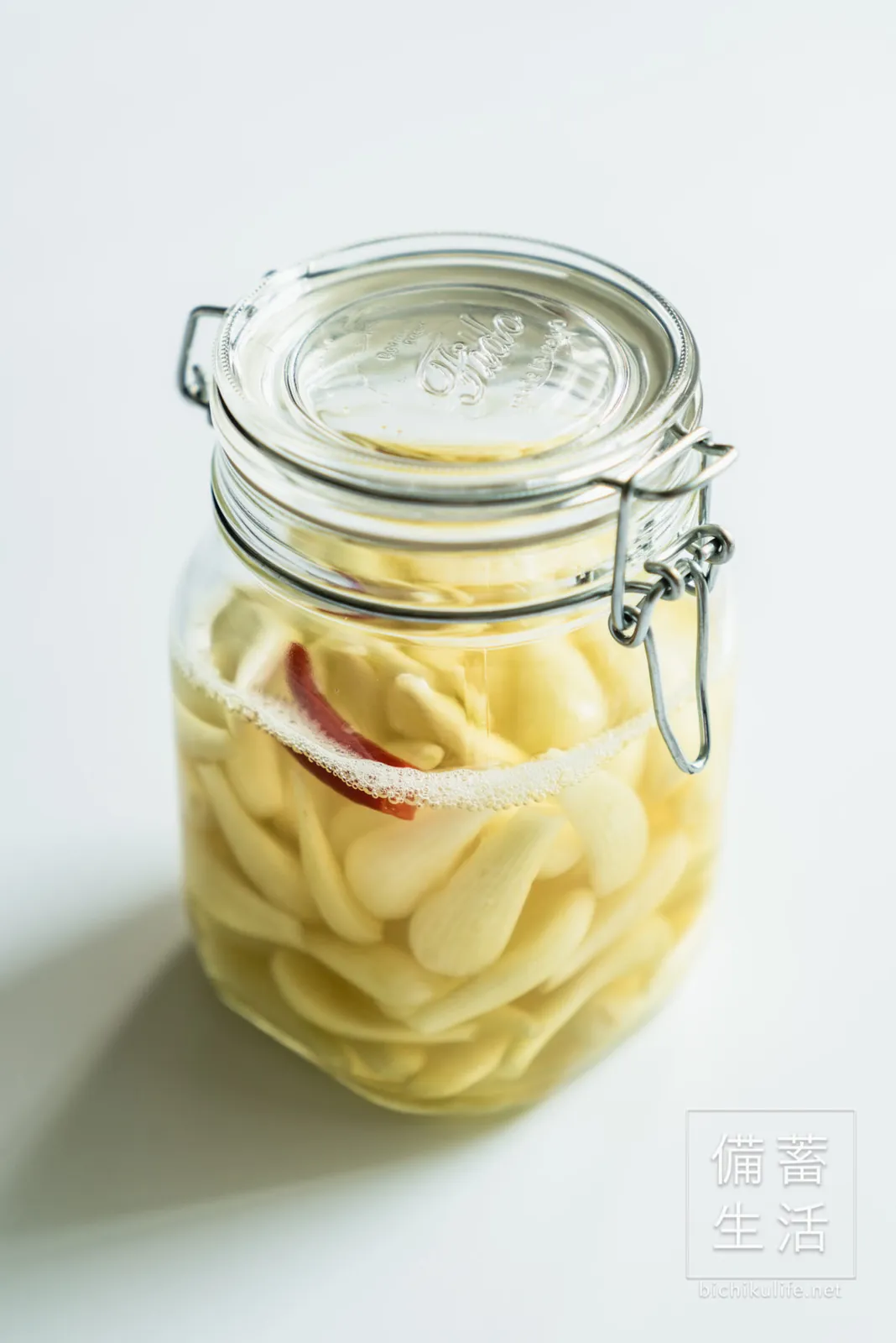
Besides colorful pickles, we use them for preserves with a strong smell, such as salted rakkyo and garlic in soy sauce.
WECK jars
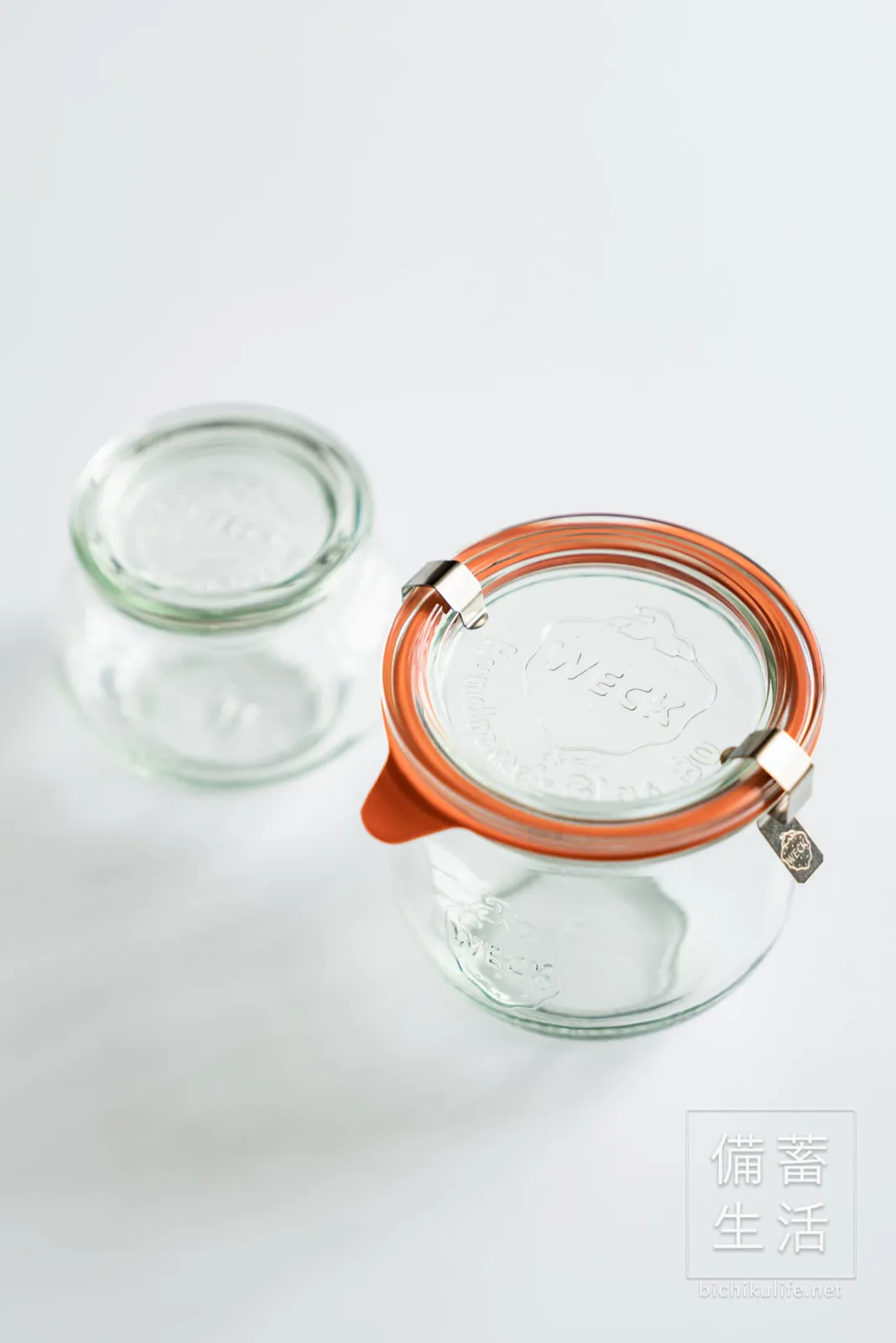
WECK is a German maker of glass preserving jars. Their jars, with the strawberry logo, have been made since the company was founded in 1900. They come in many sizes, so you can choose one for almost any use.
Jar shapes
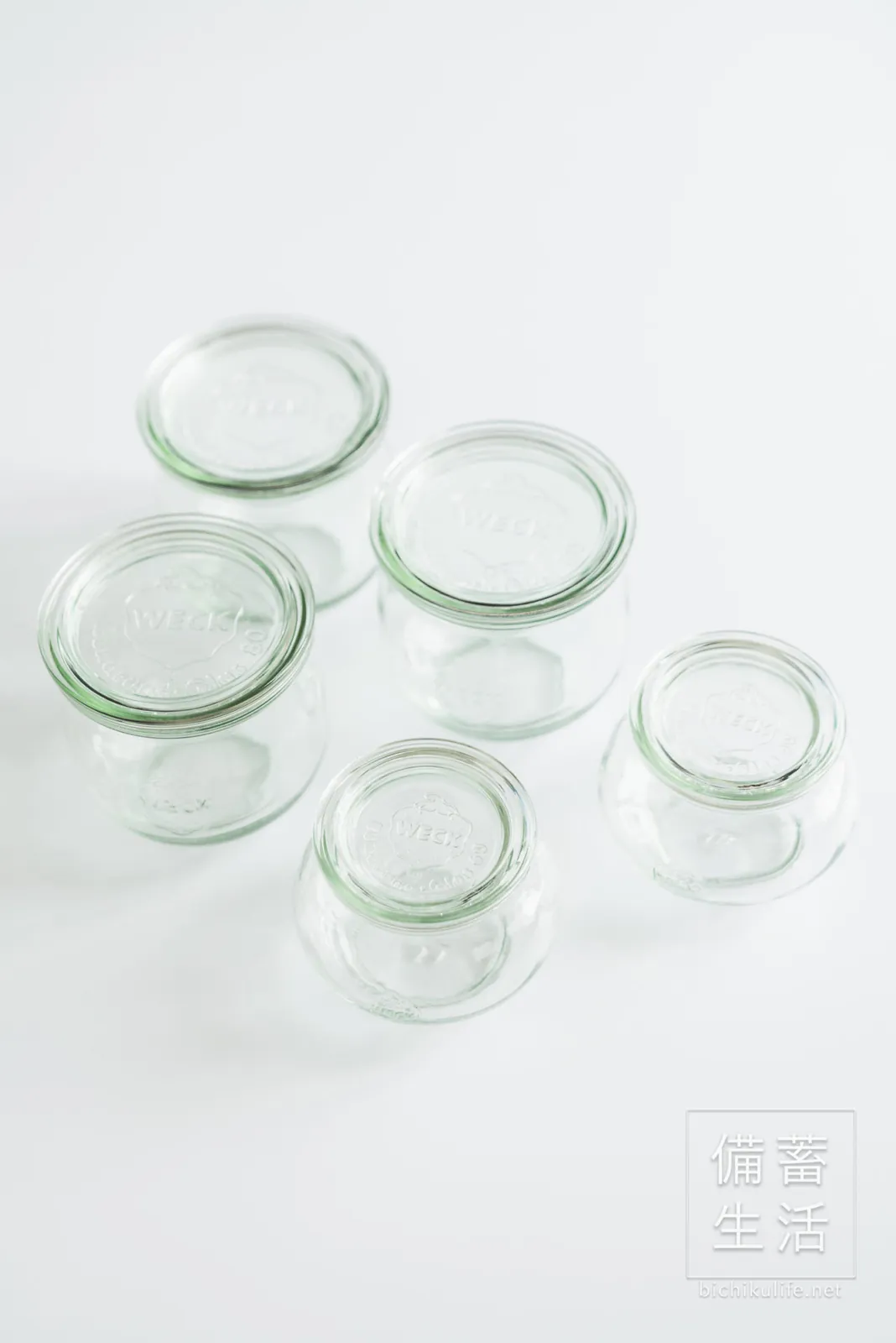
WECK jars also come in many shapes:
- Mold Shape
- Tulip Shape
- Deco Shape
- Straight
- Juice Jar
- Delikatessen
- Gourmet
We use the Tulip and Deco shapes.
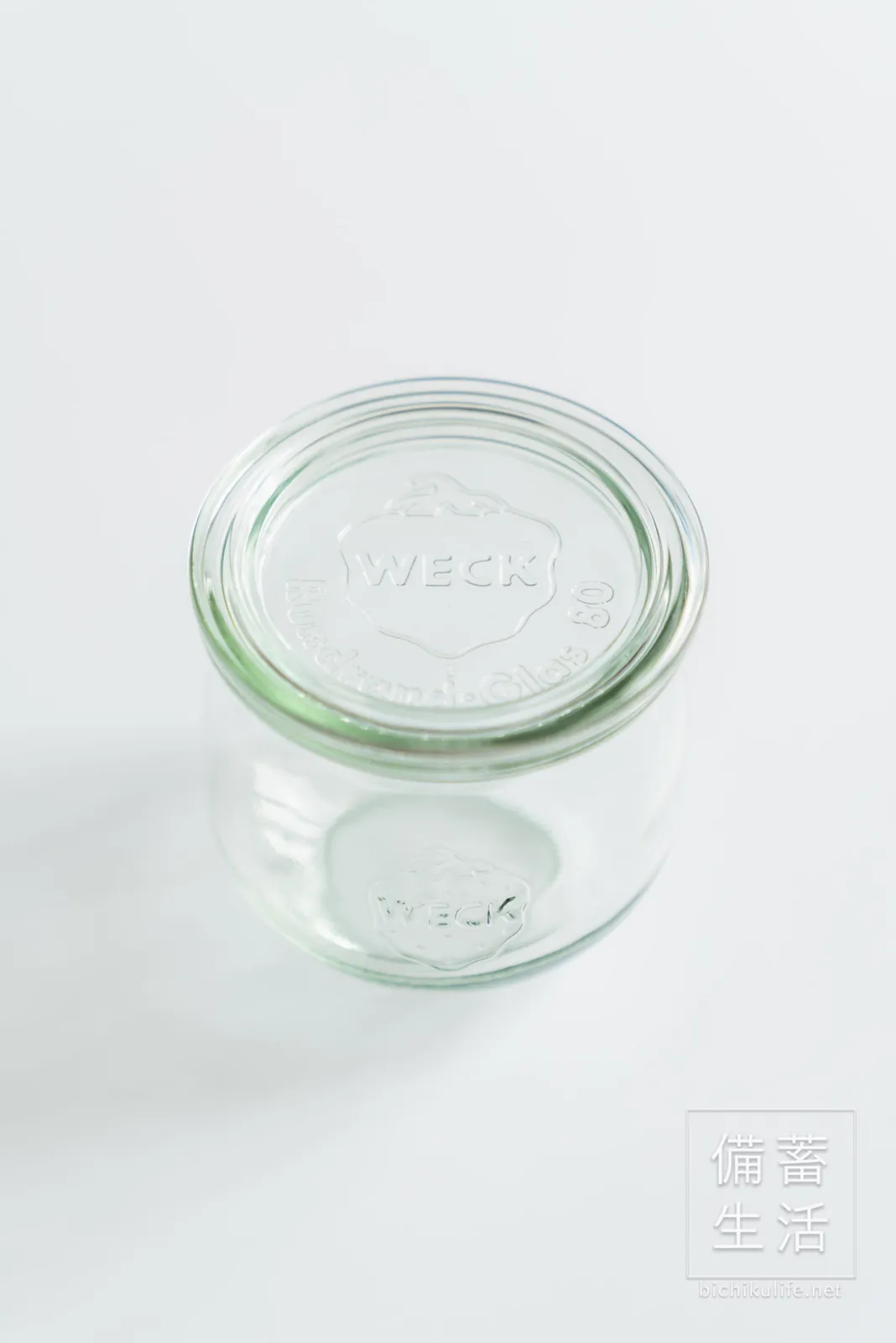
Tulip Shape (370 ml in the photo). The rounded bottom makes it easy to scoop out the last bit.

Deco Shape (200 ml in the photo). The bulge in the middle holds more than it looks, and it suits anything you eat with a spoon, like pudding or jam.
Gaskets and clips are sold separately
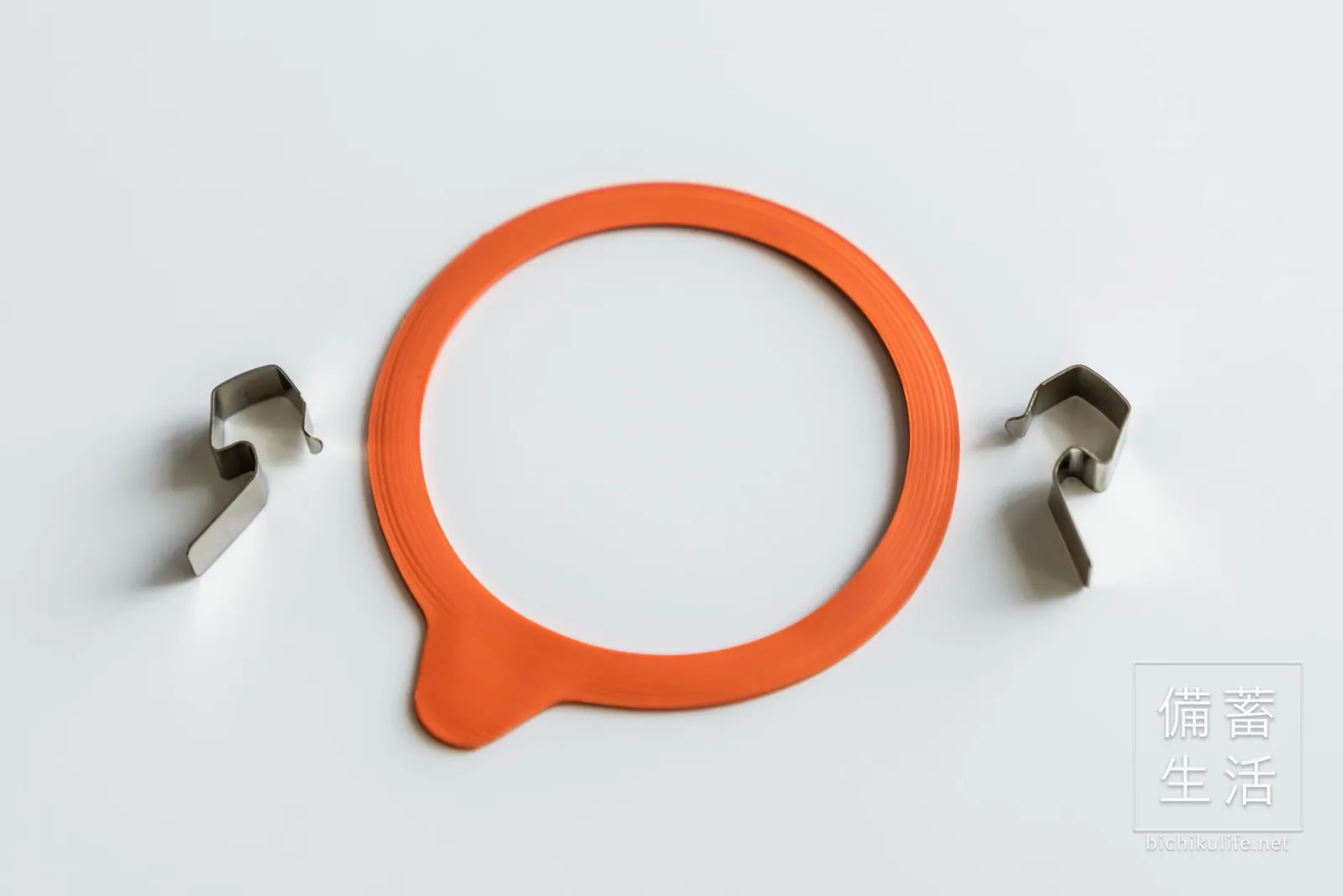
The rubber gaskets and the clips that hold the lid on are sold separately. Even the clips carry the strawberry logo.
The product listing gives a heat-shock tolerance of 80 °C (144 °F), meaning the glass can take a sudden temperature change of up to that much. Don’t pour boiling water into a jar straight from the fridge, or set a hot jar down somewhere cold.
What we keep in WECK jars
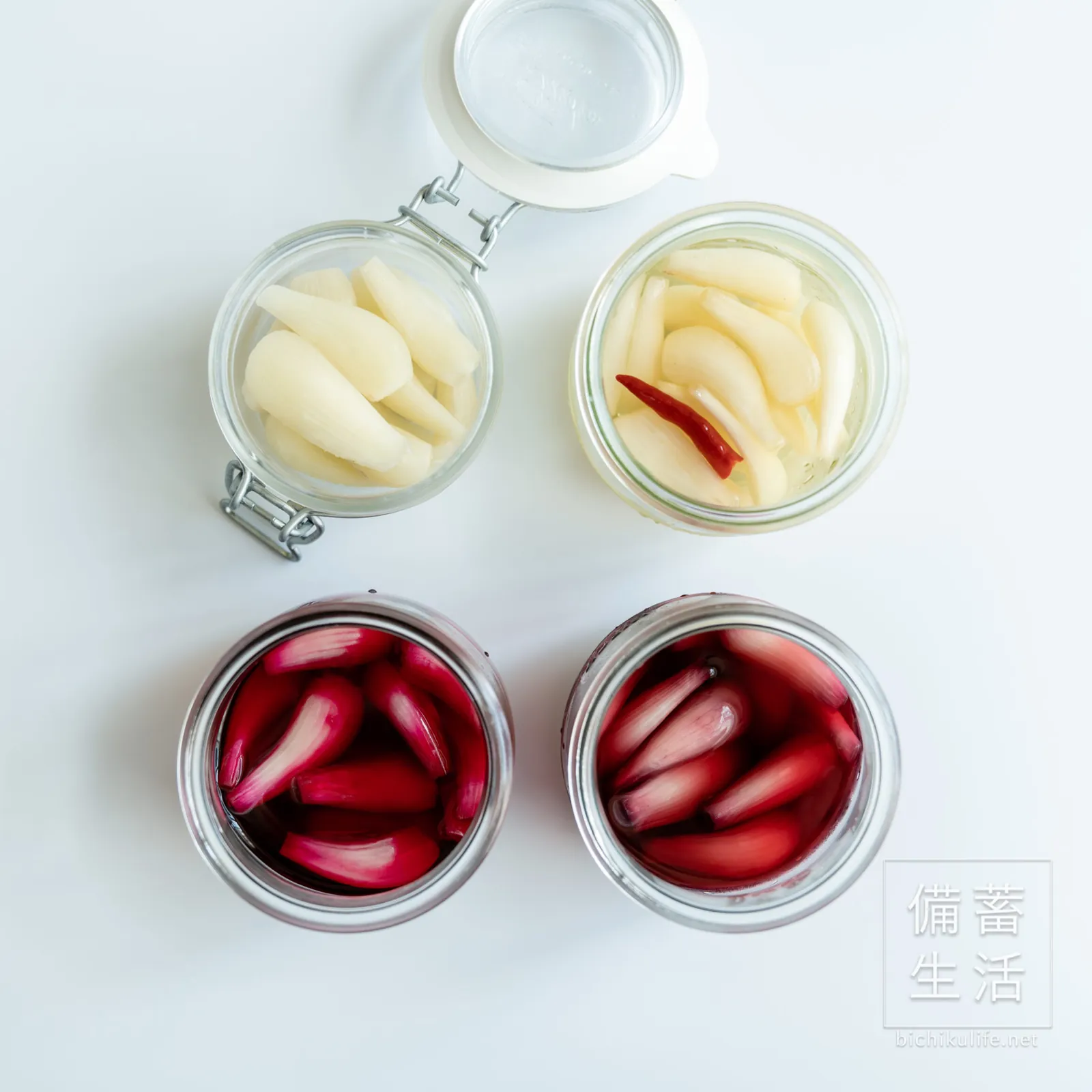
We used a 370 ml Tulip jar for salted rakkyo.
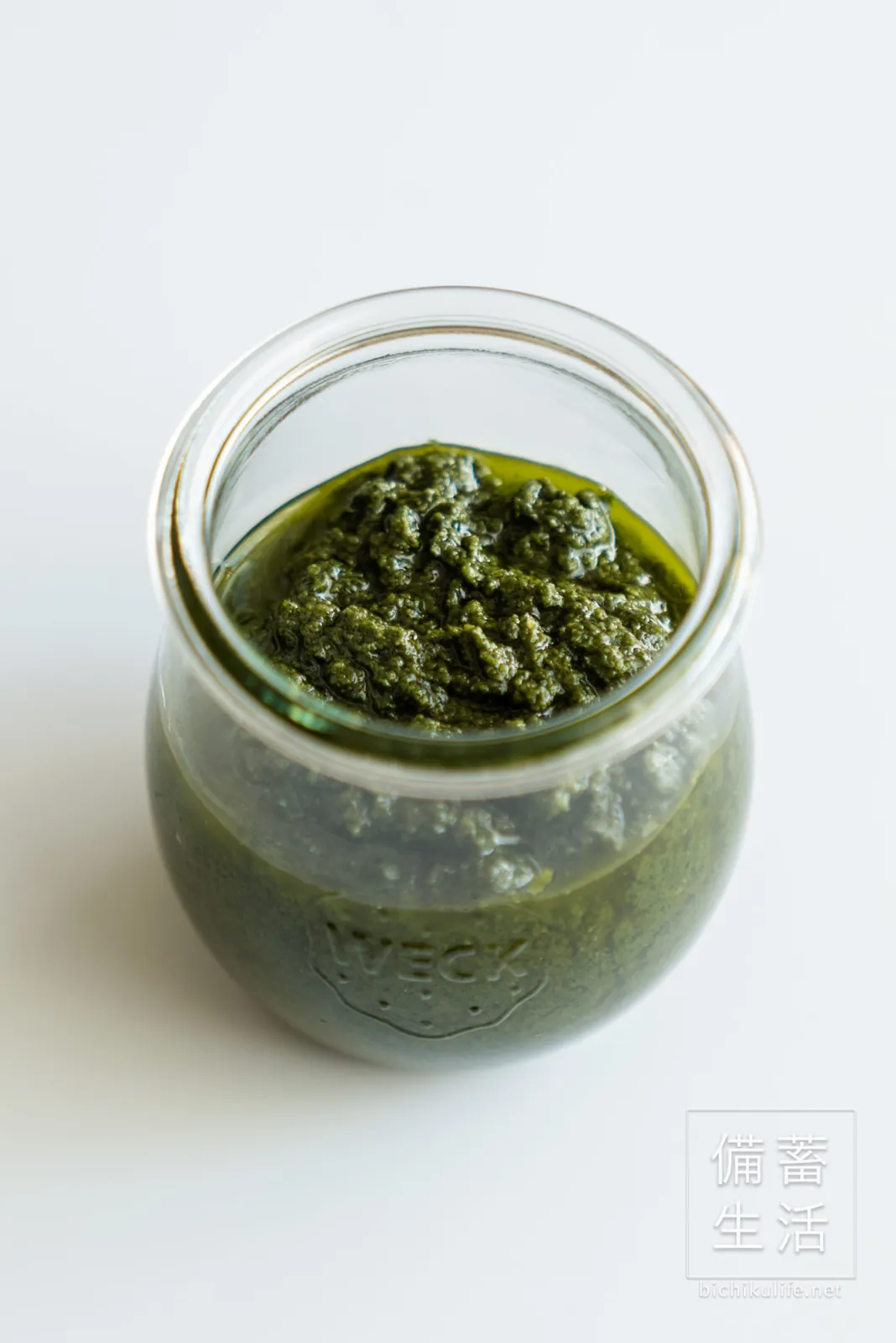
Basil paste goes in a 200 ml Tulip jar. We also keep roasted brown rice in a 370 ml Tulip jar.
Ziploc bags
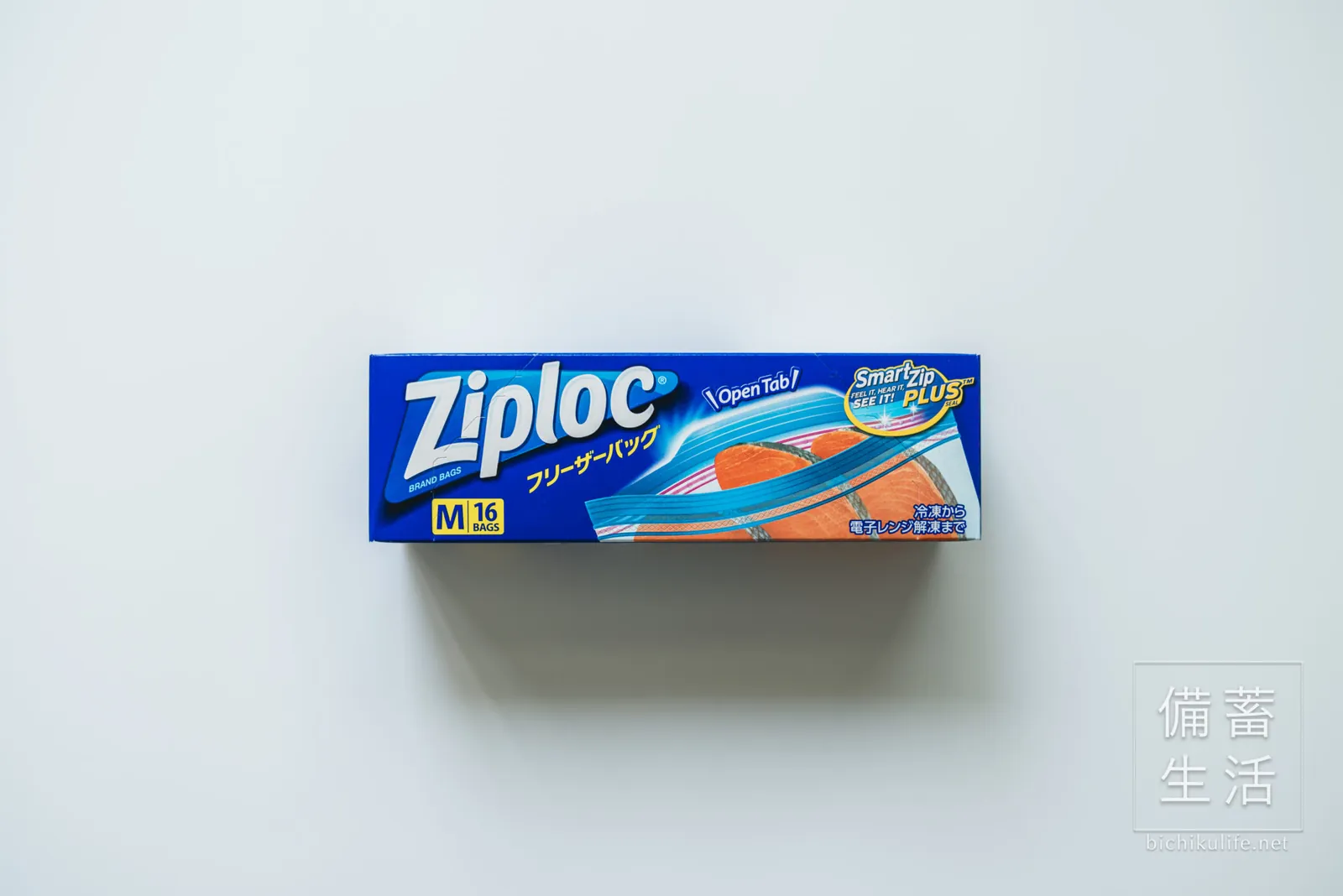
Ziploc zip-top bags work both for storing at room temperature and in the freezer. The Japanese freezer bags came in three sizes when we wrote about them, according to the box:
| Size | Dimensions |
|---|---|
| L | 273 × 268 mm (10¾ × 10½ in) |
| M | 189 × 177 mm (7½ × 7 in) |
| S | 127 × 177 mm (5 × 7 in) |
- Material: polyethylene
- Heat resistance: 100 °C (212 °F). Cold resistance: −70 °C (−94 °F)
- Thickness: 0.06 mm
Sizes and specs differ by country, so check the box of the bags you buy.
For dried vegetables
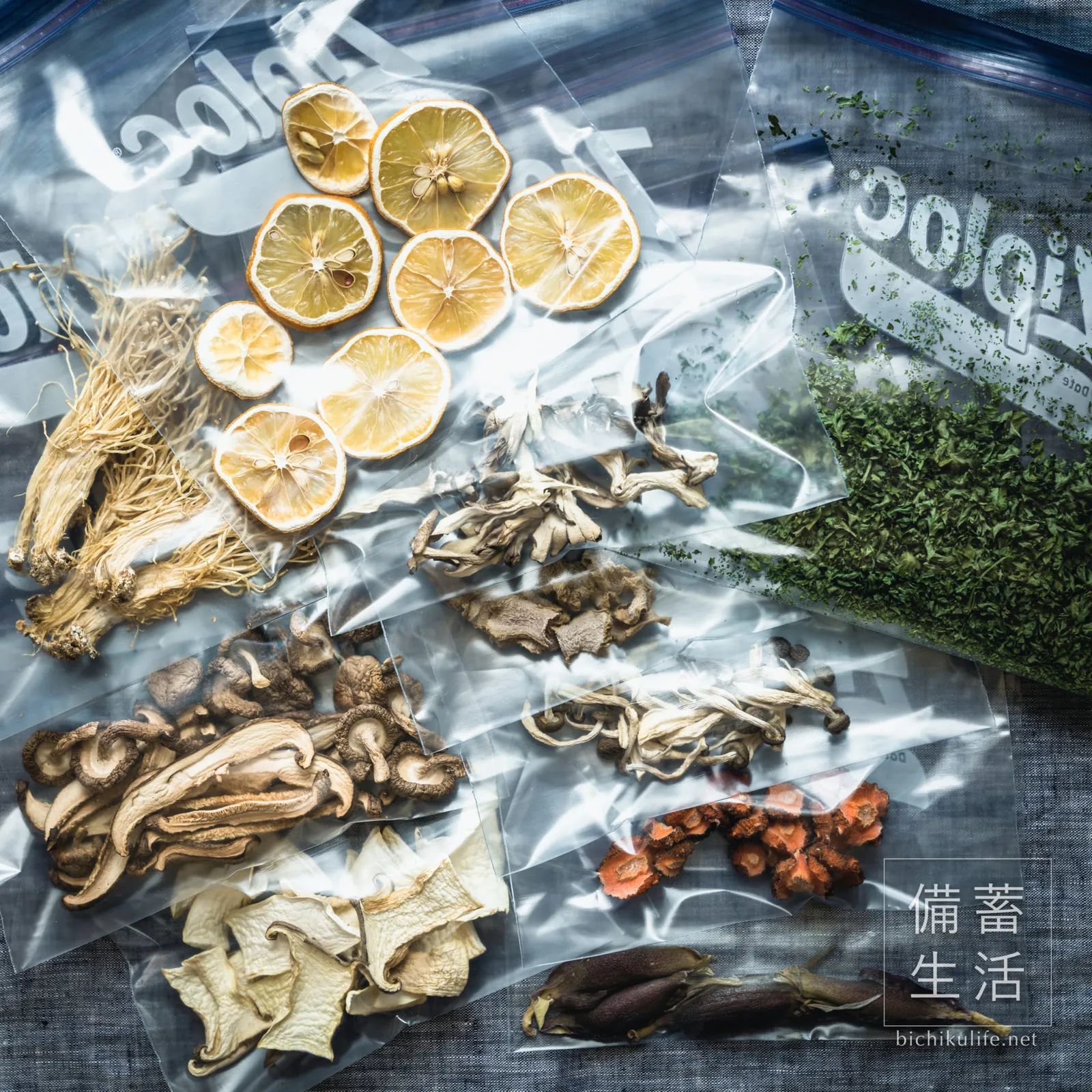
Most dried vegetables and mushrooms, once fully dried, can be kept in zip-top bags at room temperature. When you dry lots of different vegetables, bags take up less space than jars.
For salting umeboshi
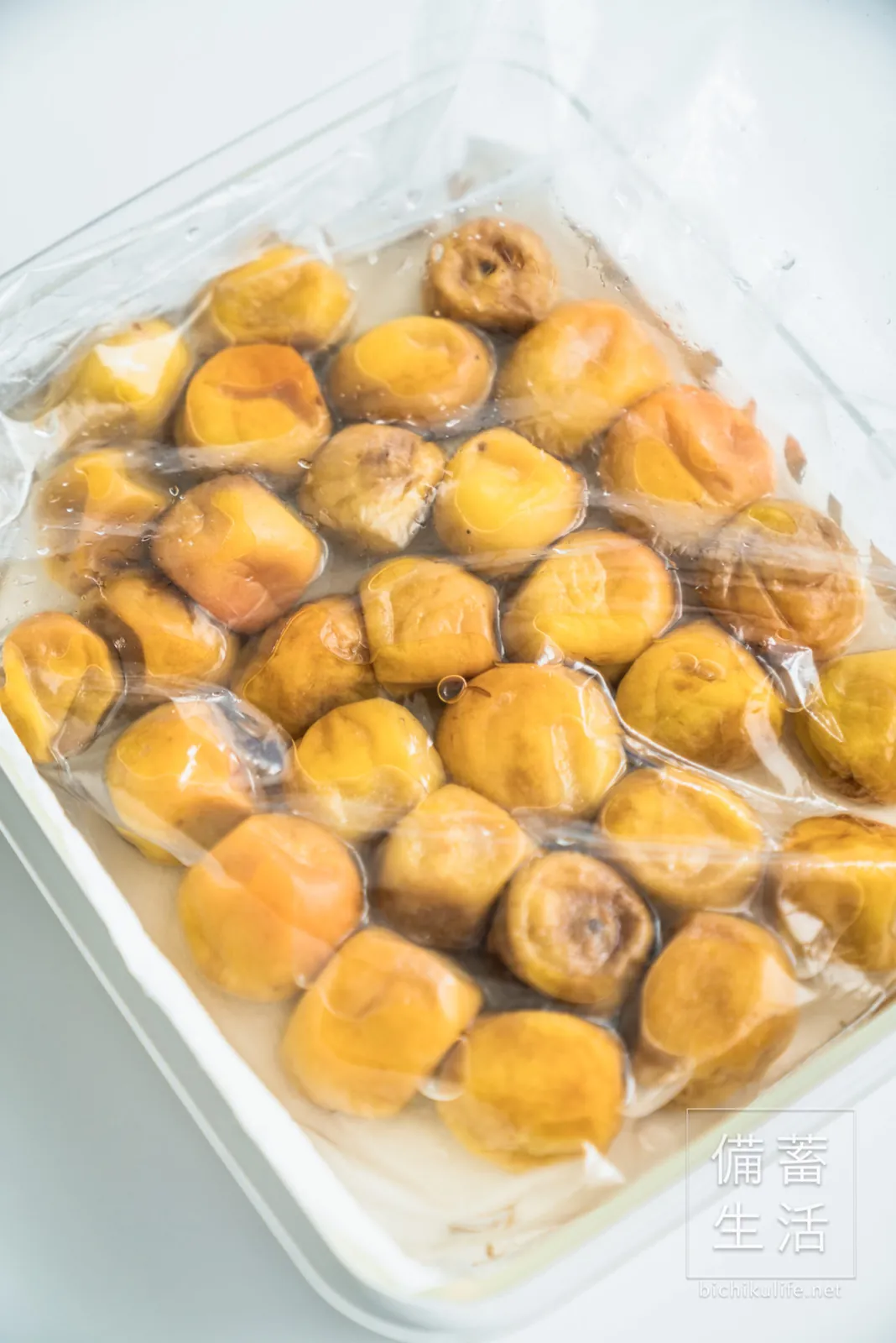
Zip-top bags are handy for salting umeboshi too. They are easy to turn over and easy to put away. You only need to move the umeboshi to a jar once they are finished.
Our umeboshi recipe salts the plums in a bag.
For salted and soy-marinated preserves
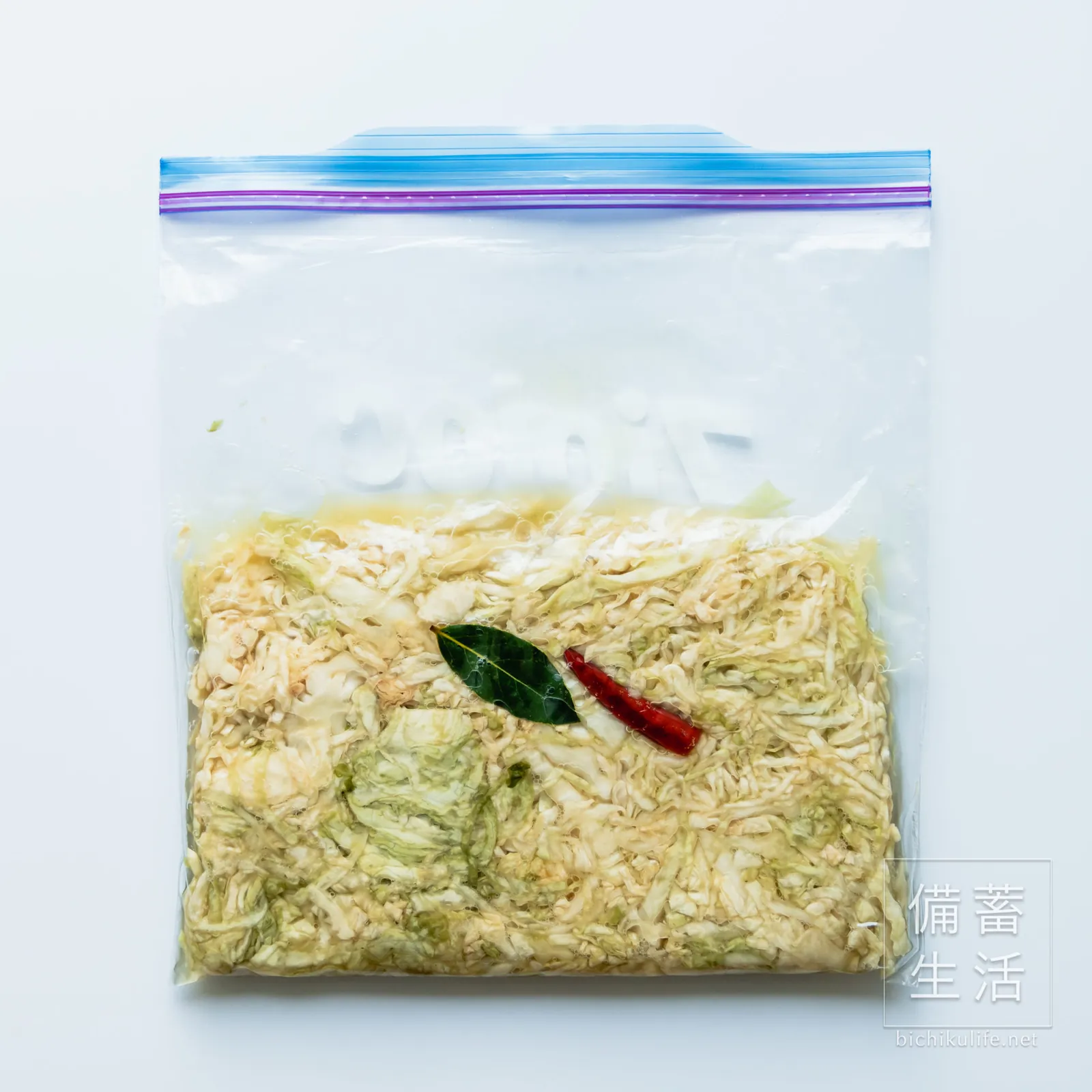
We use them for salted and soy-marinated preserves as well. Unlike jars, they don’t need to be sterilized by boiling, which makes them easy to start with. Strong-smelling vegetables like rakkyo and garlic do leak their smell through the bag, though, so choose where you keep them.
For small batches in the nukadoko
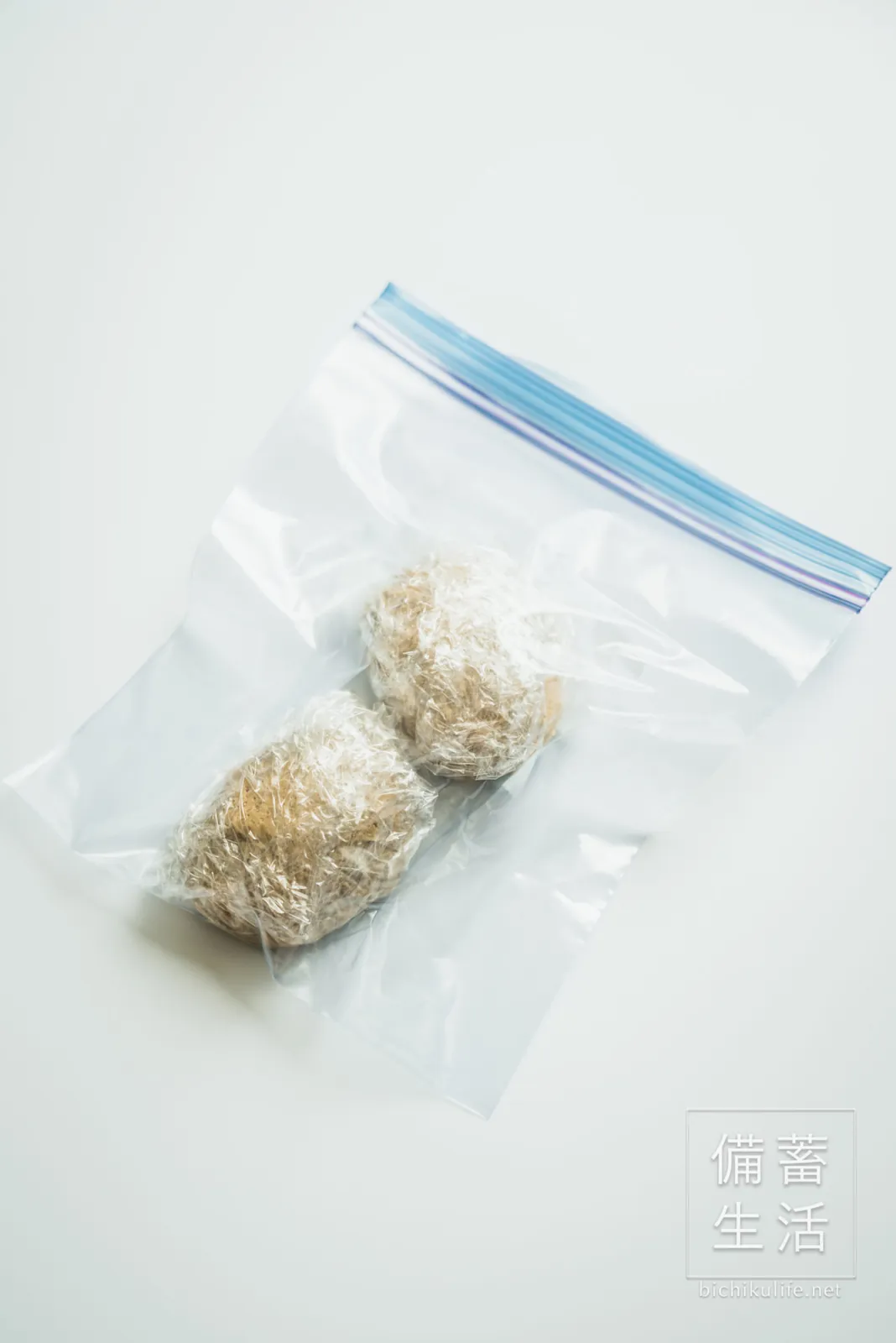
For vegetables that don’t suit going straight into the nukadoko (rice bran pickling bed), or meat and fish whose smell would carry over, we use a bag to pickle them separately.
For more on rice bran pickles, see Nukazuke.
A holder that keeps the bag standing
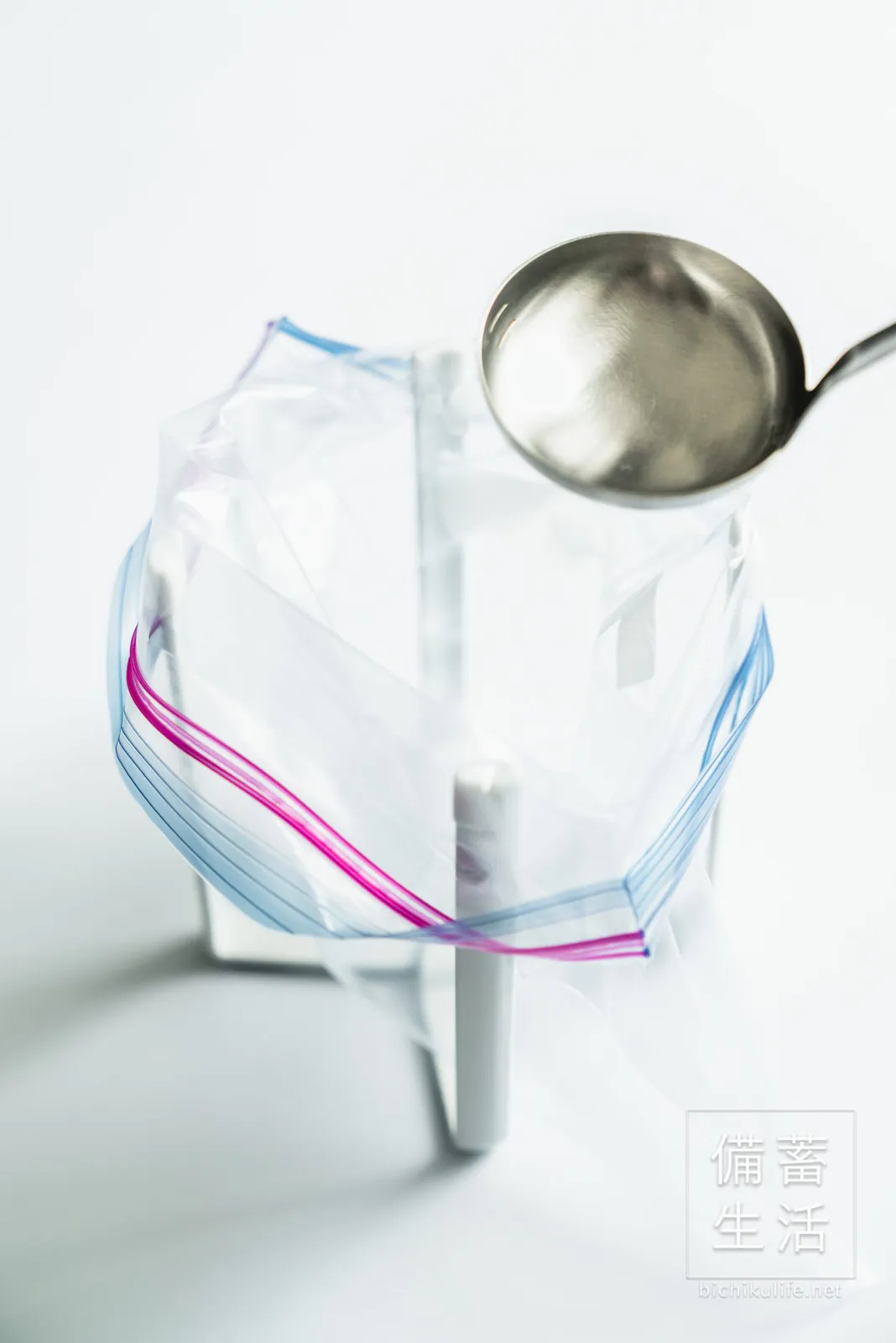
When we pour ingredients or brine into a bag, we use the Yamazaki “tower” plastic bag holder. It is meant to be a folding mini trash can that you hang a plastic bag on, but with a zip-top bag on it, the bag stands up with its mouth open. We used it when making sauerkraut and ume syrup too.
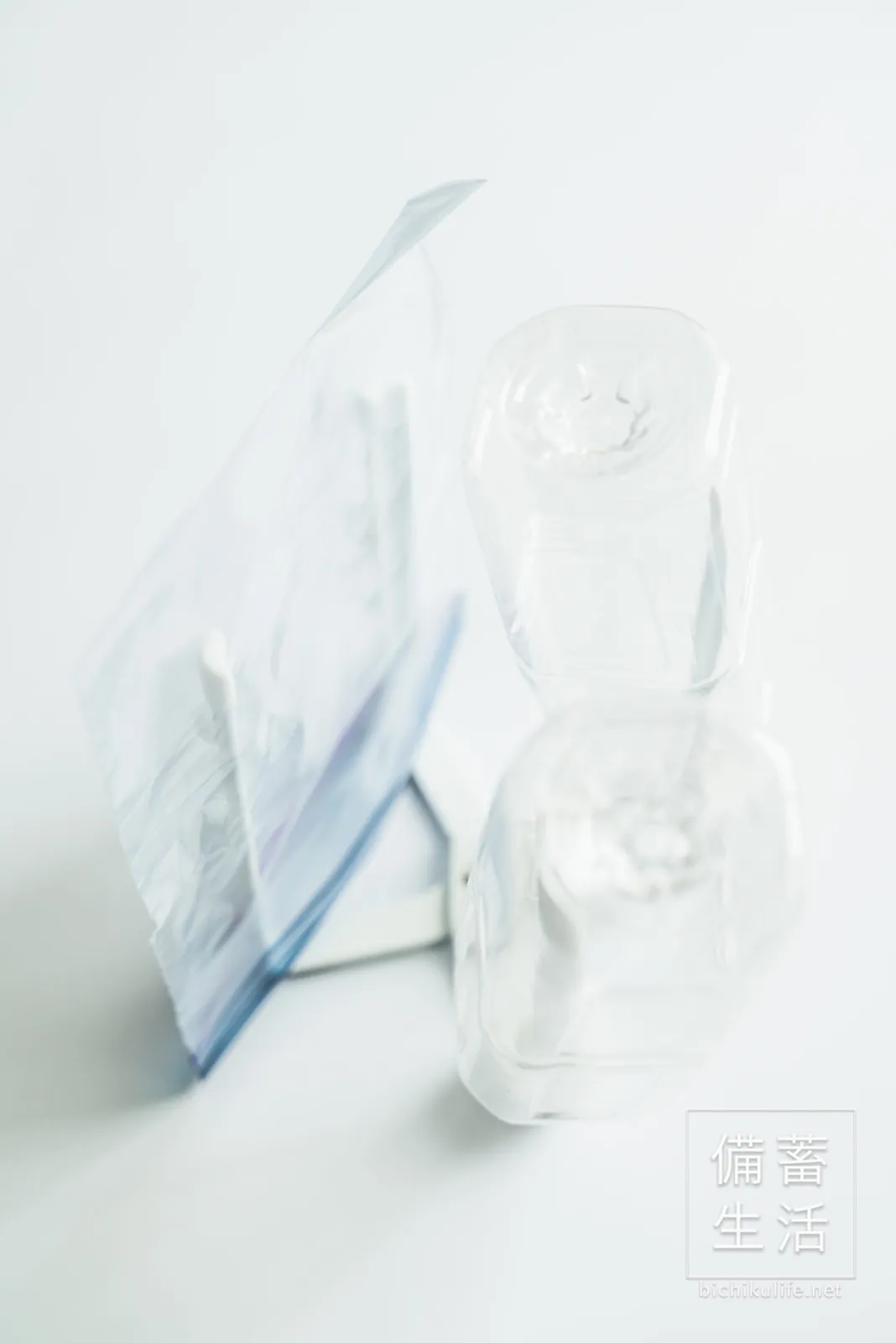
It also works as a drying rack for washed bags, glasses and plastic bottles.