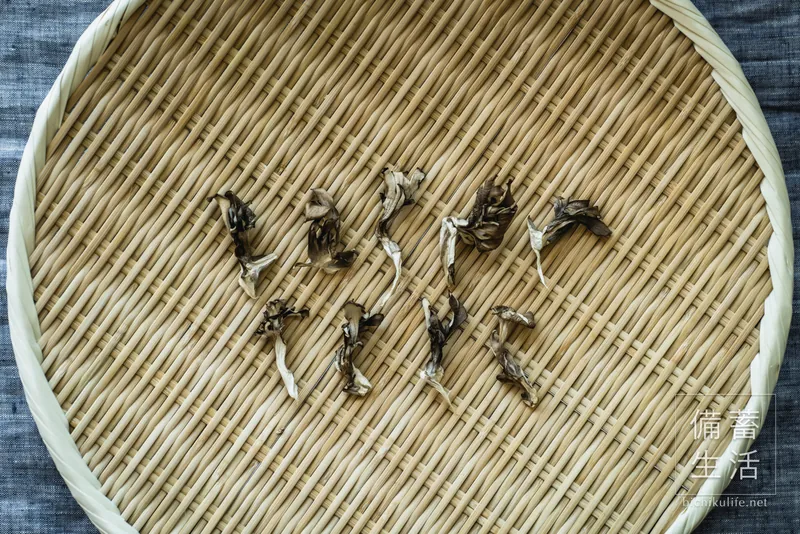
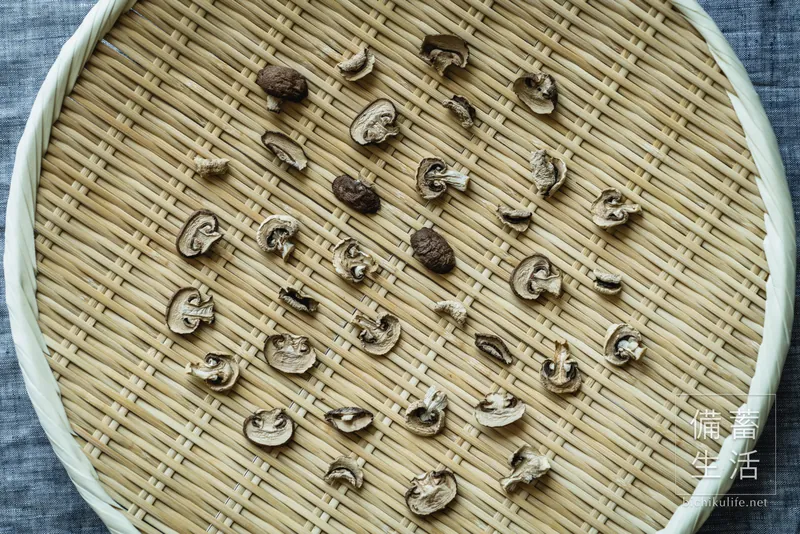
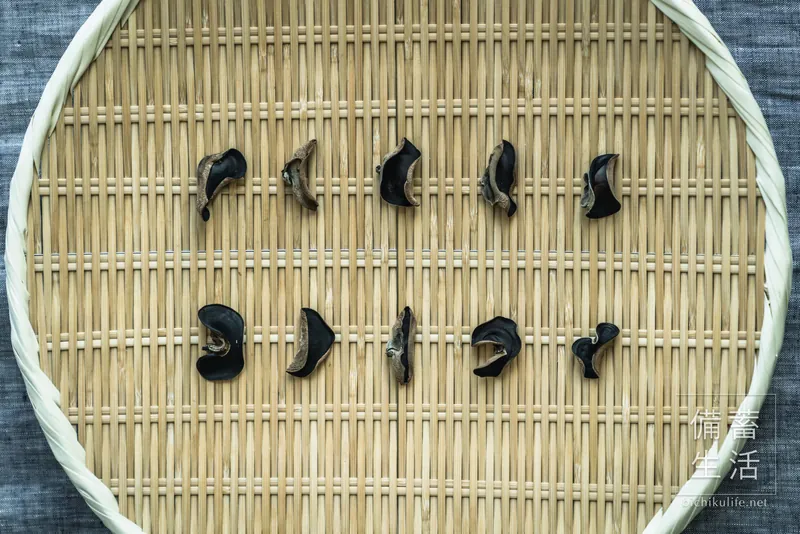
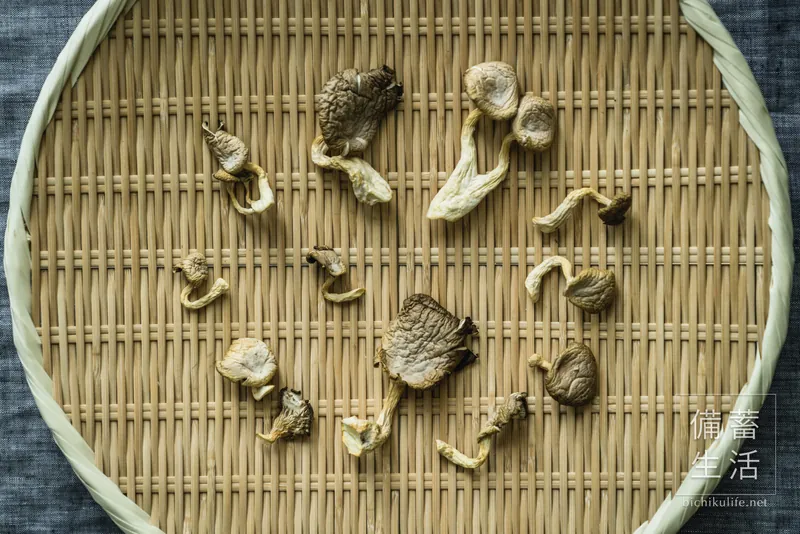
Mushrooms
Dried Golden Oyster Mushrooms (Tamogitake)A Hokkaido Favorite: Drying Time and Storage
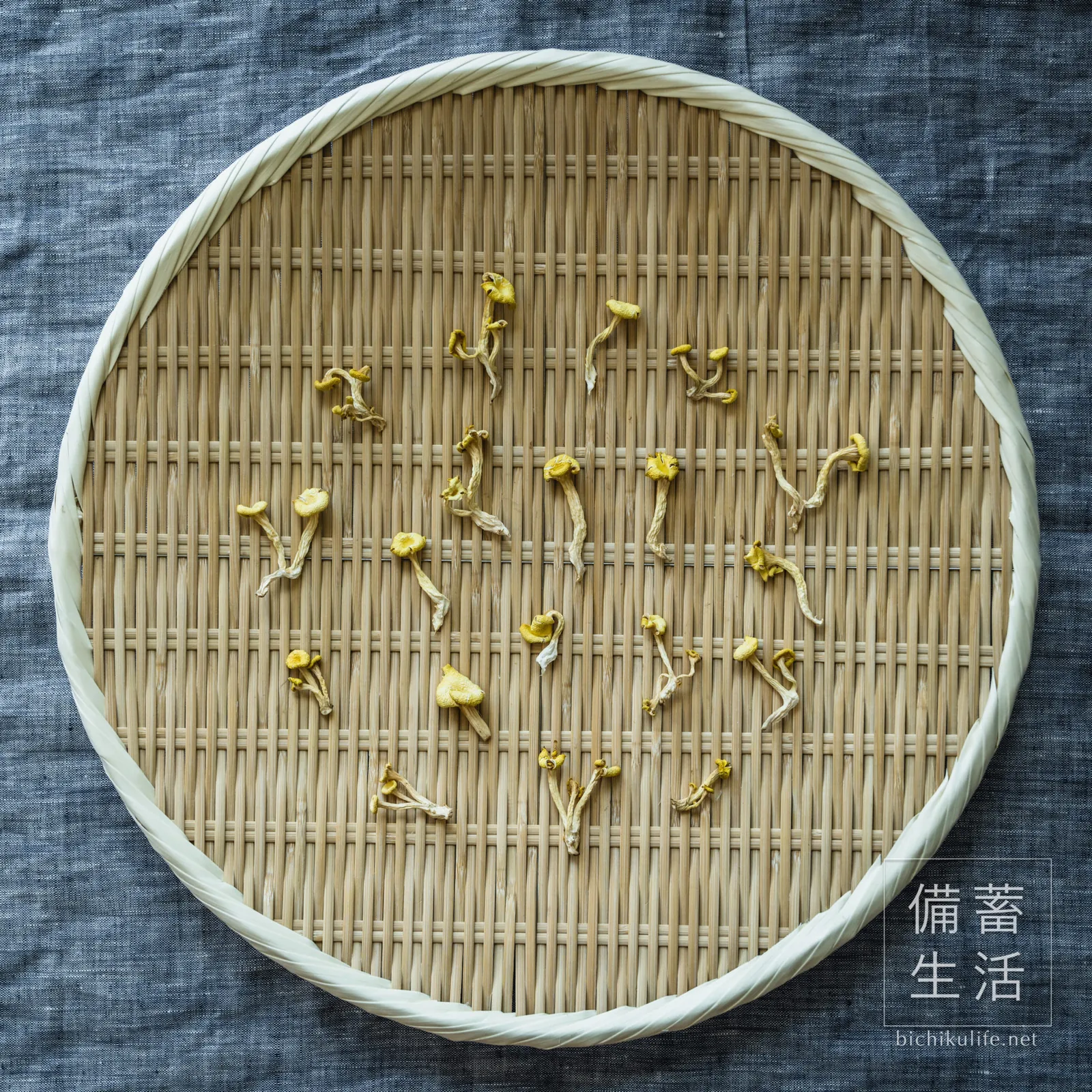
Golden oyster mushrooms, called tamogitake in Japan, have bright yellow caps, white stems and a distinctive aroma. They’re related to oyster mushrooms, and in Hokkaido they’re an everyday mushroom found in supermarkets. Outside Japan, they’re sometimes sold at farmers’ markets and Asian grocery stores.
Dried, they make a good broth, so they’re best in miso soup and other soups, or cooked in rice.
| Drying time | Storage | |
|---|---|---|
| Dry | 2–3 days | 3 weeks at room temperature |
Drying times assume drying during the day in sunny weather and bringing them in at night.
How to dry golden oyster mushrooms
- Wipe clean: Don’t wash them; wipe off any dirt with a paper towel. Trim off the hard base.
- Tear: Tear them by hand into pieces.
- Lay out and dry: Spread on a basket without overlapping, somewhere sunny and breezy. Bring them in by evening.
Where and when to dry is covered in How to Dry Vegetables, and tools in Tools for Drying Vegetables.
When they’re done
Dry (2–3 days)
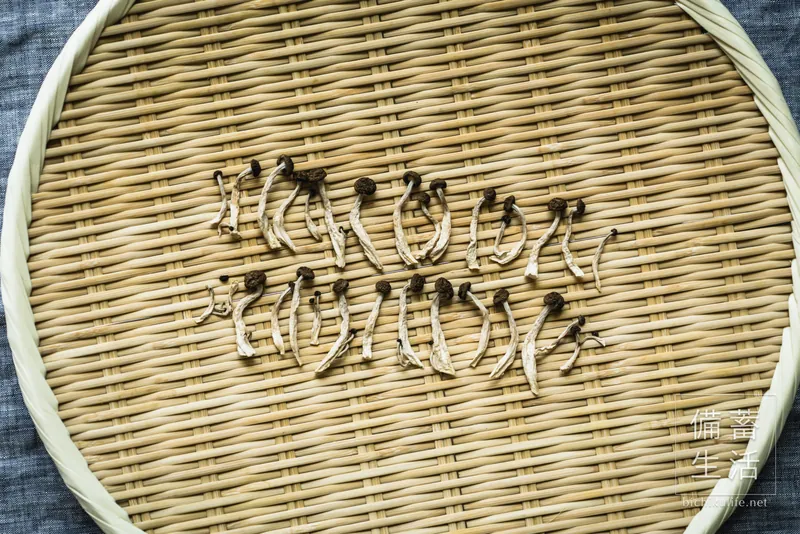
They’re done when they’ve shrunk thin, the yellow of the caps has dulled a little, and they snap.
Day by day
Before drying
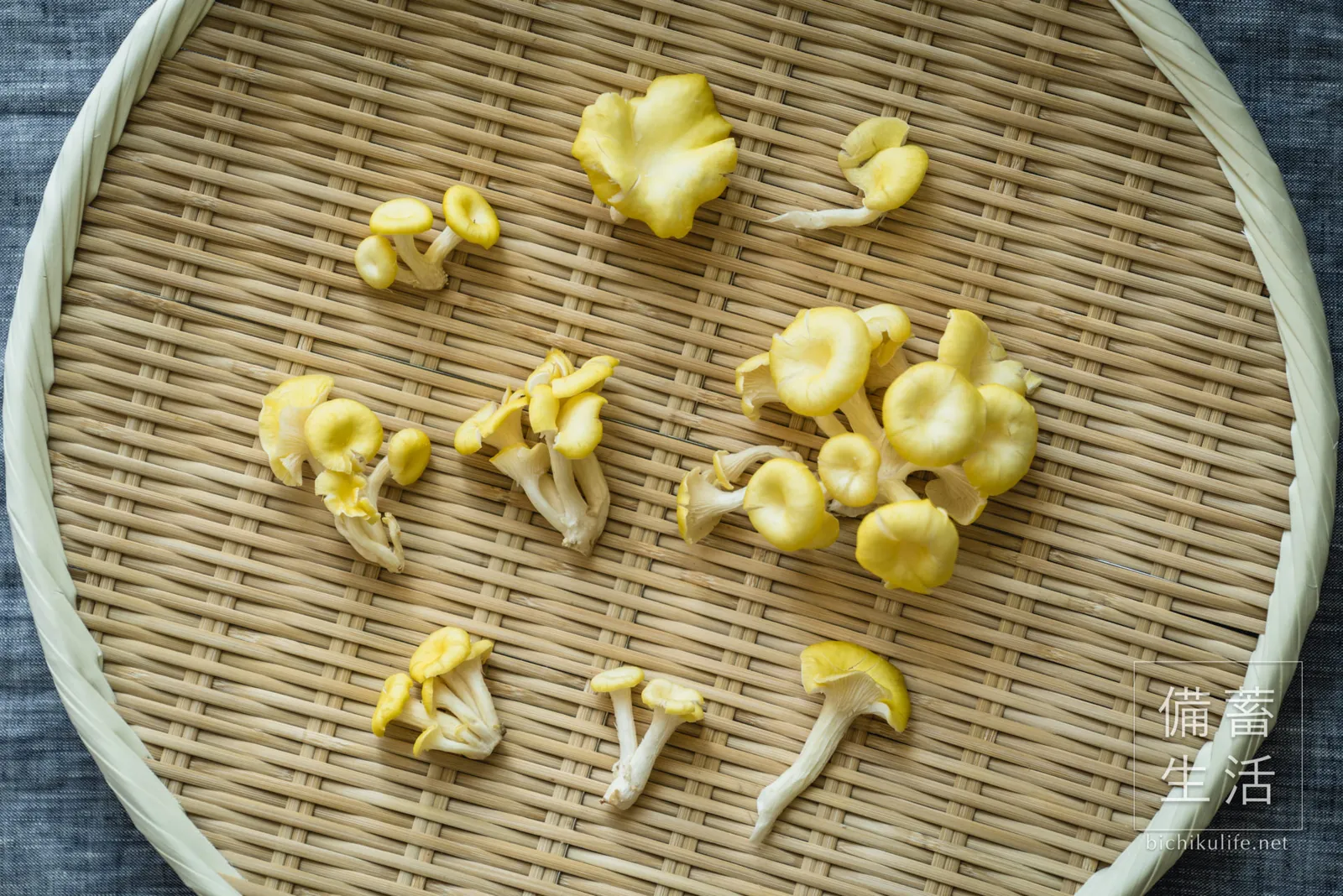
Day 1
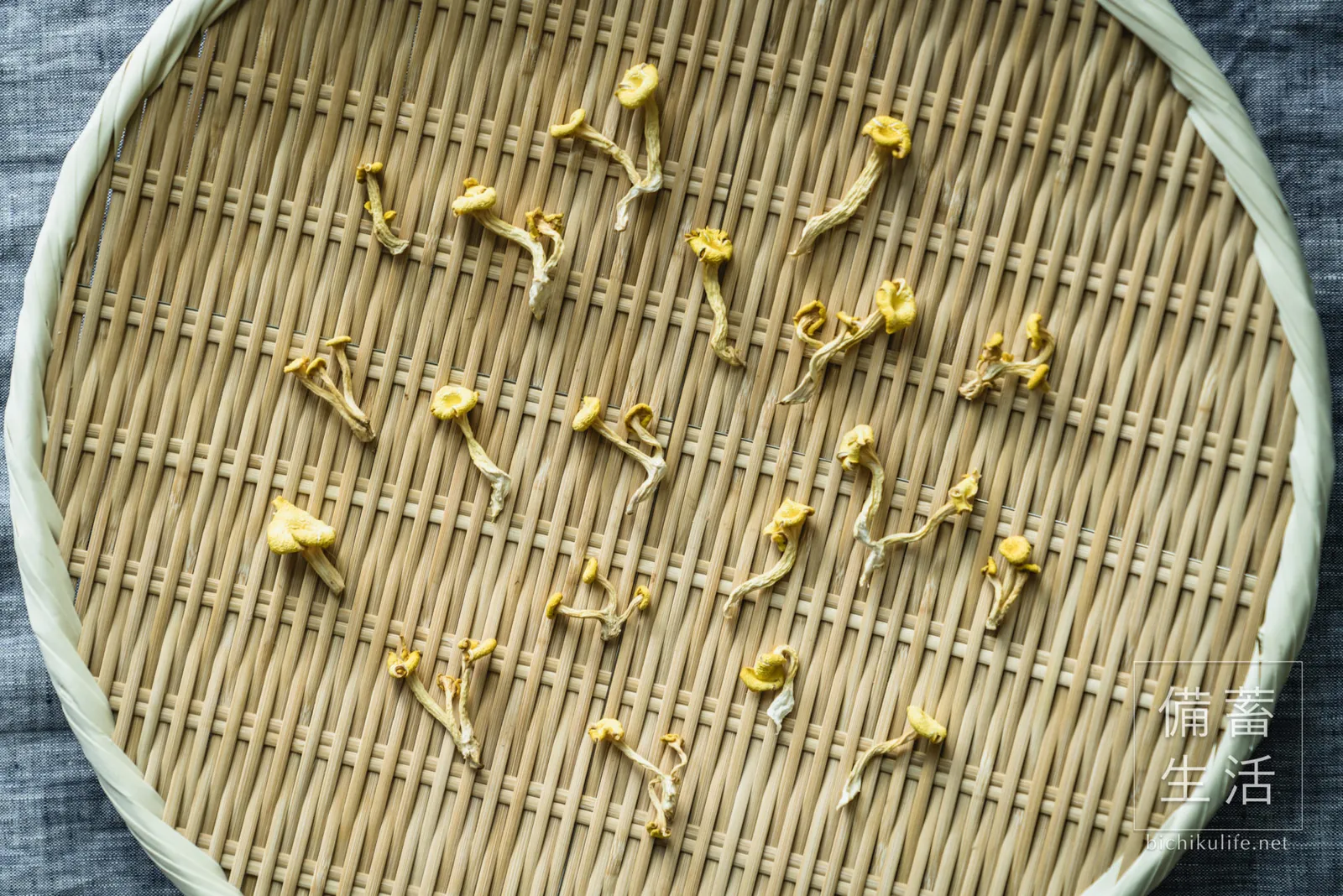
Day 2
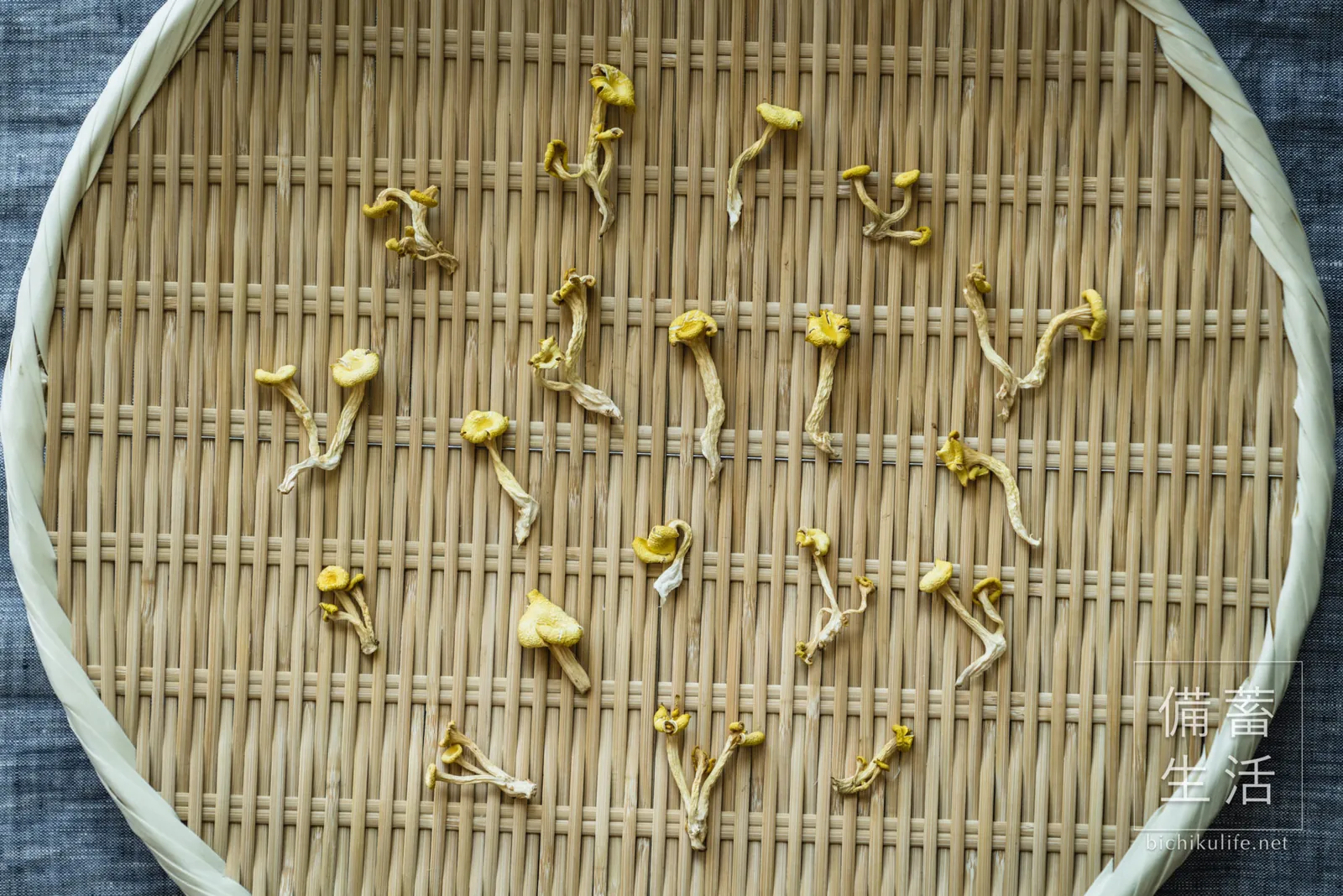
Storage
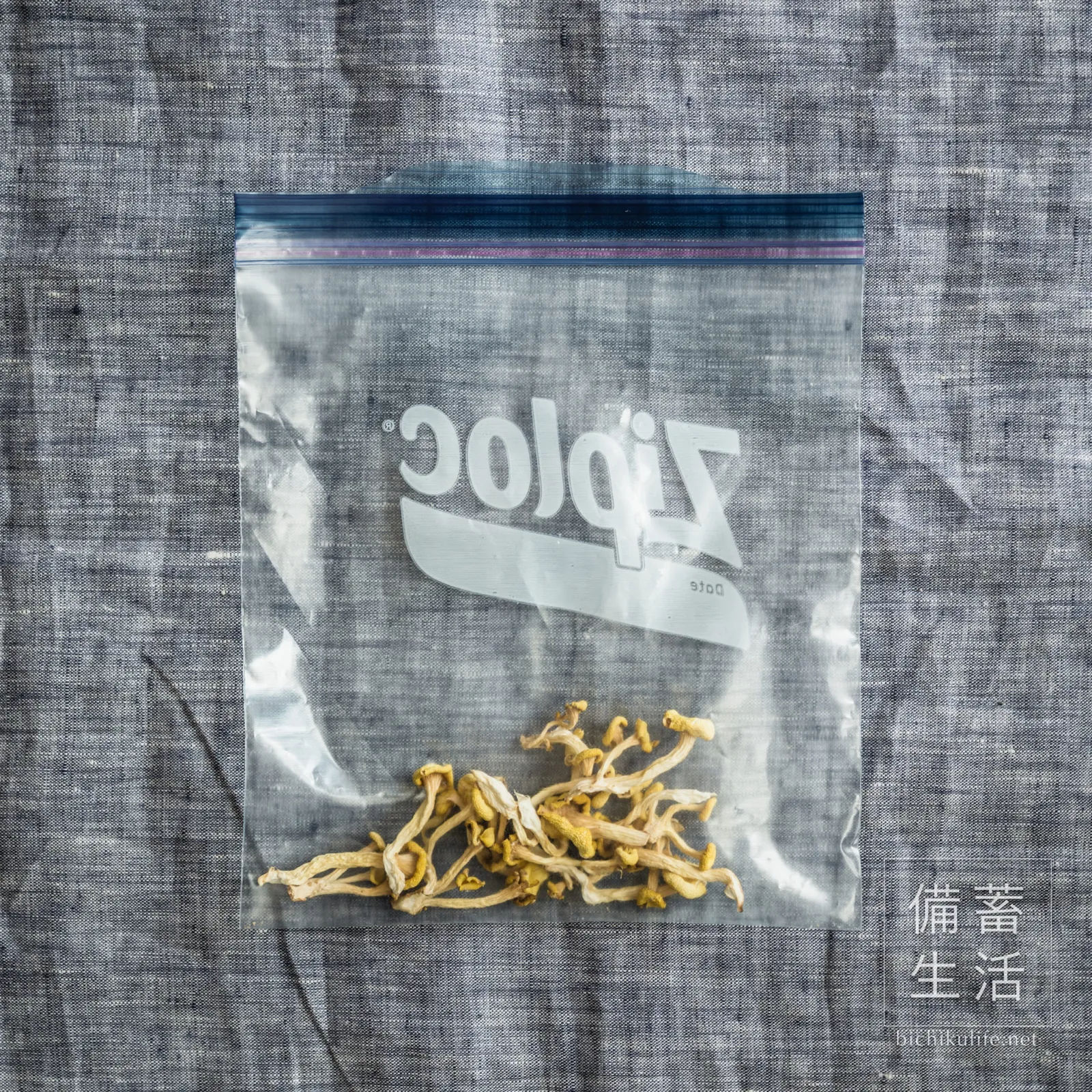
- Dry: Put completely dry mushrooms in a bag or airtight container with a desiccant, and keep somewhere cool and out of direct sun for about 3 weeks. In humid summer weather, keep them in the fridge.
- Frozen: Frozen, they keep 2–3 months.
Fuzzy white or green growth, black spots or a bad smell are signs of mold or spoilage. Don’t eat them; throw them away. More in How to Store Dried Vegetables.
Rehydrating and using them
- Always cook them: Never eat mushrooms raw. Always cook them first.
- Use them dry: Rinse quickly and add straight to miso soup, clear soup, hot pot or rice. They give the broth a pretty yellow color and a lovely aroma.
- Rehydrate: For stir-fries, soak in water for about 10 minutes.
- Good in: Miso soup, mixed rice, butter and soy sauce stir-fry, pasta.
In Hokkaido you can also find mushrooms that are rare elsewhere, such as ezoyukinoshita.